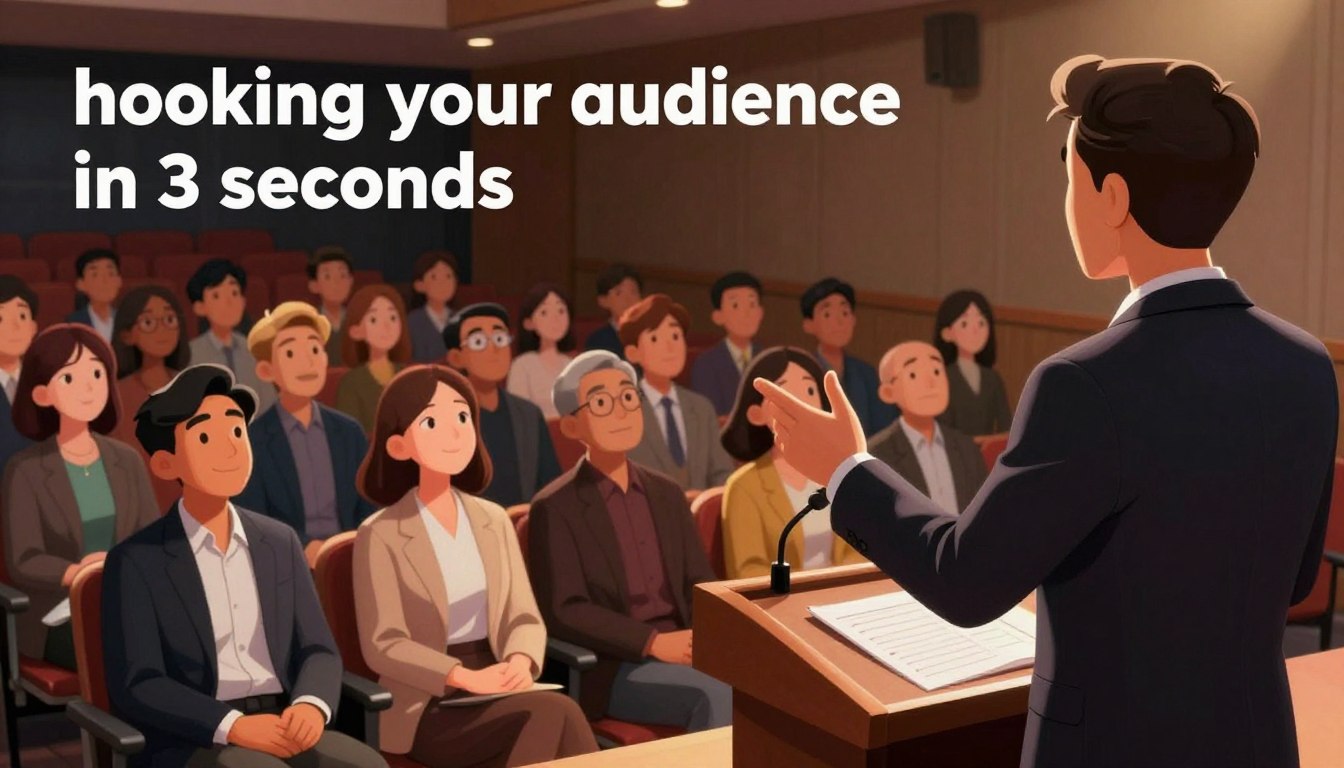
“If you can’t explain it simply, you don’t understand it well enough.” — Albert Einstein. That idea frames a simple truth about modern media: openings must be clear, fast, and meaningful.
Jason Block—a veteran of the KnightMedia program—notes that broadcast storytelling often depends on grabbing attention within the first three seconds. This means a strategic approach to the opening line, setup, and imagery.
The best creators design a short lead that cuts through platform noise and makes viewers stay. A focused video opening does more than tease; it converts fleeting interest into sustained attention for the rest of the content.
For practical examples and script templates, see the concise guide at how to hook your audience in 3.
Key Takeaways
- First impressions set the tone—plan the opening with intent.
- Short, vivid openings win attention on crowded feeds.
- Visuals and text must work together—many viewers watch muted.
- Energy and clarity matter more than fancy gear.
- Test openings: small edits often yield big gains.
Why You Must Hook Your Audience in 3 Seconds
Attention in digital feeds is fleeting; the opening moment must earn a viewer’s gaze. Ideal Insight identifies 2025 as the year when attention becomes the primary currency for creators.
Research shows those first seconds of a video are make-or-break for retention. When content offers clear value at once, people stop scrolling and watch.
The first seconds act like a digital handshake: they establish credibility, relevance, and emotional tone before any deeper message arrives. Lose that instant, and you lose the time required to build connection.
Practical implication: craft openings that solve a tiny problem or promise one clear benefit. A compact lead keeps attention long enough to deliver the core idea.
For further analysis on brief openings and neural response, see the three-second study. Strong first seconds make video content competitive on crowded social feeds.
Proven Strategies for Crafting an Instant Connection
A precise opening blends sound, sight, and energy to seize attention fast. Start by making the first moment feel real: ambient noise, a clear subject, and visible intent.

The power of natural sound: Dave Davis demonstrated at the ASB Workshop how raw audio—like footsteps or a distant bell—grounds people immediately. Natural sound sets scene and mood without extra words.
Visual clarity and energy: Show the face and carry genuine energy. Alex Sheridan taught that high energy signals confidence and converts attention into action. A concise visual lead builds a strong hook quickly.
Optimizing for silent scrollers: Many people watch muted. Use captions, bold text overlays, and tight framing so the video reads at a glance. Casey Cunningham of XINNIX proves direct language and no-fluff calls save time and lift engagement.
- Anchor with real sound to establish context fast.
- Use face and motion to project authenticity and energy.
- Design text-first frames so content works with or without audio.
Leveraging a Copywriting AI Tool for Better Engagement
A focused script tool can turn a scattershot opening into a compact promise that stops scrolling.
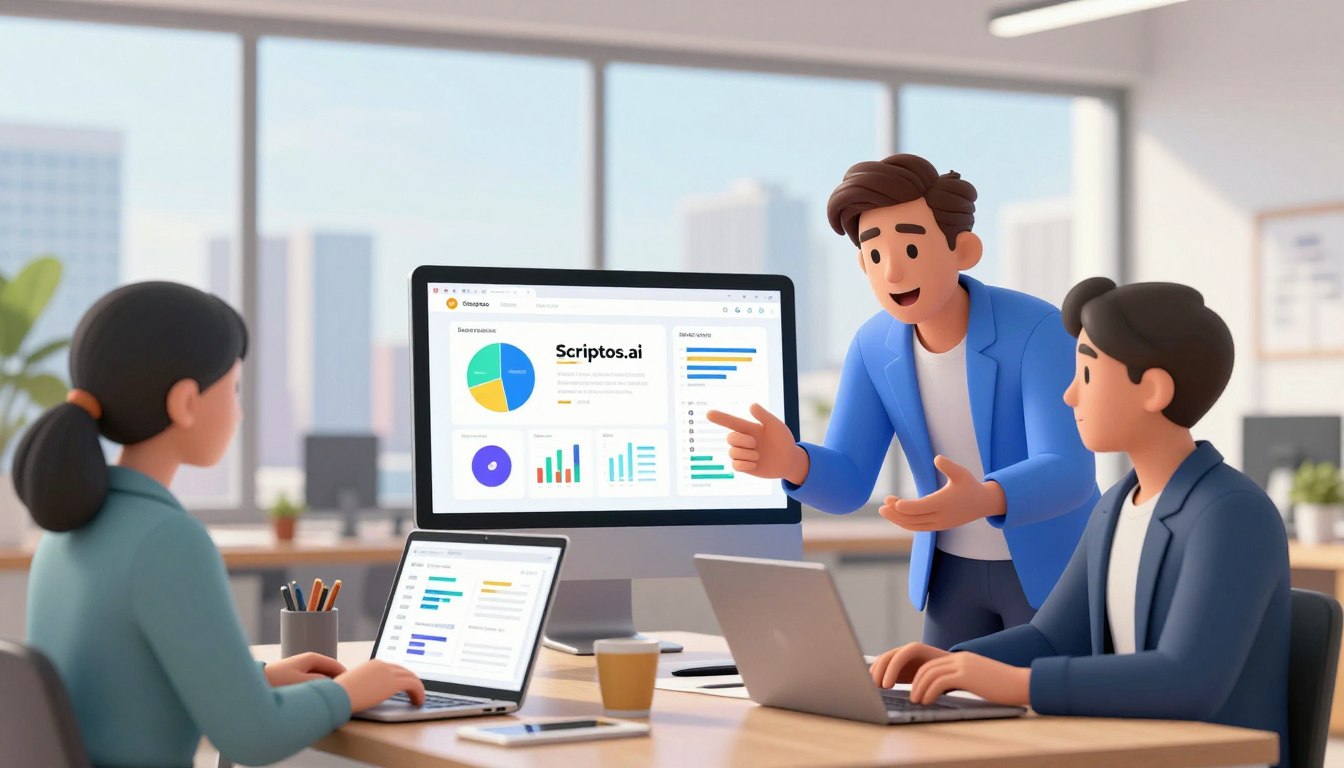
Scriptos.ai offers creators tools to refine short scripts and lift key metrics. Use the platform to analyze language, test variations, and confirm a strong hook appears within the first seconds of playback.
Using a Content Generator to Refine Message
AI helps spot which lines capture attention and which dilute impact. A Content Generator highlights the most compelling phrases and suggests edits that tighten pace and clarity.
“Good openings promise value immediately; great openings prove it by the next clip.”
| Feature | Benefit | Result |
|---|---|---|
| Script analysis | Identifies strong lines | Higher retention |
| Variation testing | Compares short edits | Better performance on social |
| Generator prompts | Refines tone and rhythm | Clearer video content |
- Use Scriptos.ai to ensure the opening speaks to people fast.
- Pair AI edits with creative tests; then scale the best versions.
- For writing techniques and case studies, see this piece on AI and storytelling and practical monetization tips at AI video monetization.
Conclusion
A clear, immediate promise often decides whether someone keeps watching or moves on. Mastering the three-second rule is essential for professionals who want high-impact video that drives results.
Focus on natural sound, visual energy, and crisp messaging — these elements help people stay longer and engage more deeply with content. Authenticity matters; data and craft work best together.
For practical steps and the behavioral basis behind this practice, see the three-second rule. When ready to refine scripts and scale better openings, visit Scriptos.ai to start building versions that stop the scroll and keep the audience returning.
FAQ
What is the fastest way to grab attention at the start of a script?
Open with a strong sensory element—natural sound, a striking visual, or a surprising fact. These create an immediate emotional or cognitive cue that prompts viewers to keep watching. Pair that element with clear energy in delivery to reinforce urgency and relevance.
Why is capturing attention within the first three seconds so important?
Platforms and user behavior favor instant relevance; viewers decide almost immediately whether content matters. Securing attention early increases watch-through, boosts algorithmic distribution, and improves conversion potential for marketing and storytelling goals.
How can natural sound improve the opening of a video?
Authentic ambient audio or a distinct voiced phrase grounds the scene and pulls viewers into a moment. It offers realism that contrast-heavy edits often lack, helping creators establish context quickly while signaling trustworthiness and presence.
What visual tactics create clarity and energy in the first moments?
Use a simple, bold frame—clear subject, strong lighting, and controlled motion. Close-ups, rapid color contrast, or dynamic camera movement communicate intent and emotion fast. Keep compositions uncluttered so viewers decode the scene without effort.
How do you optimize openings for silent scrollers who watch without sound?
Prioritize readable on-screen text, expressive facial cues, and high-contrast imagery. Subtitles and visual hooks like motion or bold typography convey meaning without audio. Test in grayscale or muted mode to ensure the message still lands.
When should a content creator use a content generator or AI copywriting tool?
Use AI tools during ideation, headline testing, and draft refinement to speed iteration. They excel at producing variations for openings, helping creators test tone, wording, and length quickly. Always human-edit outputs to preserve authenticity and brand voice.
Can AI tools replace human judgment for crafting first-second lines?
No—AI augments creativity but cannot fully replace human insight. Machines suggest patterns and options; humans decide which variations fit context, emotion, and strategic goals. Treat AI as a research partner rather than a final author.
How do you measure whether an opening is successful?
Track metrics tied to early engagement: view-through rate at 3–10 seconds, retention curves, click-throughs, and comments within the first minute. Pair analytics with A/B tests of alternative openings to identify which elements drive measurable gains.
What common mistakes reduce early engagement?
Slow starts, cluttered visuals, muffled audio, and vague value propositions all undercut attention. Overly generic lines and excessive exposition force viewers to decide quickly to drop the video; concise, vivid openings win more often.
How do you adapt these tactics for different platforms like TikTok, YouTube, and LinkedIn?
Match format and audience intent: TikTok favors bold motion and trends, YouTube rewards a promise followed by value, and LinkedIn needs professional signals and clear outcomes. Optimize length, framing, and tone to platform norms while keeping the opening focused and compelling.