“Education is the kindling of a flame, not the filling of a vessel.” — Socrates. This idea frames why FlowScholar.com focuses on active engagement instead of passive drills.
FlowScholar brings an AI-driven approach that turns lesson plans into interactive material. Educators use the platform to craft tailored review content that matches standards and student needs.
The site streamlines how instructors create classroom activities and short practice sessions. Instructors save time while improving the quality of daily instruction. The platform acts as a smart tool that adapts to subject areas and student levels.
In short: FlowScholar is a strategic ally that helps teachers produce effective games and practice items, raise engagement, and support better learning outcomes. We invite readers to explore FlowScholar’s AI solutions and see the impact in their own classrooms.
Key Takeaways
- FlowScholar converts lessons into interactive, curriculum-aligned content.
- The AI tool reduces prep time and boosts classroom engagement.
- Materials adapt to student needs and support active learning.
- Instructors can produce quality review and practice items quickly.
- Visit https://www.flowscholar.com to explore AI-driven solutions.
The Evolution of Classroom Engagement
Today’s classrooms favor interaction over memorization, reshaping how learners absorb new material.
Interactive platforms have driven that change. Platforms such as Educaplay show over 2 million users engaging with gamified content to sharpen skills.
Modern educational games are built to cut passive absorption. Students stay active throughout lessons, which improves focus and retention.
Adding fun to lessons raises motivation and reduces stress. When content is dynamic, learners remember concepts better than with static worksheets.
- Motivation: Higher when lessons include interactivity.
- Retention: Dynamic tasks beat one-time worksheets.
- Collaboration: Digital tools create inclusive, participatory classrooms.
| Method | Typical Outcome | Measured Benefit |
|---|---|---|
| Static worksheets | One-way input | Short-term recall |
| Interactive activities | Active participation | Improved retention and skills |
| Digital collaborative tools | Peer engagement | Higher long-term learning |
Why Teachers Need a Reliable Review Game Generator for Teachers
A dependable tool turns routine review tasks into quick, high-impact class activities.
The Time-Saving Advantage
Educators save real minutes when automation creates questions, answers, categories, and difficulty levels. AI can build a full jeopardy game in roughly 30 minutes, reducing hours of manual formatting.
Platforms trusted by districts scale this benefit. Factile, used across 5,700+ school districts, shows how wide adoption speeds adoption and lowers setup friction.
Boosting Student Motivation
Interactive content lifts engagement and focus. Students respond to team-based challenges, live scoring, and clear categories that turn review into friendly competition.
When lessons feel like a quiz and a challenge at once, mastery of tough concepts improves and class time becomes genuinely fun.
- Automated quizzes free teachers to facilitate learning.
- Over 10 million games hosted proves demand and effectiveness.
- Consistent use builds skills, teamwork, and confidence.
Streamlining Lesson Planning with AI Technology
What used to take days now takes minutes: automated tools craft classroom-ready activities fast. Classroom Hero’s AI can produce a complete jeopardy game in about 30 seconds, saving time and lowering prep stress.
By entering a topic and grade level, educators receive balanced categories, aligned questions, and difficulty tiers that follow curriculum expectations. The system formats answers and timing so the content is ready for class in one click.
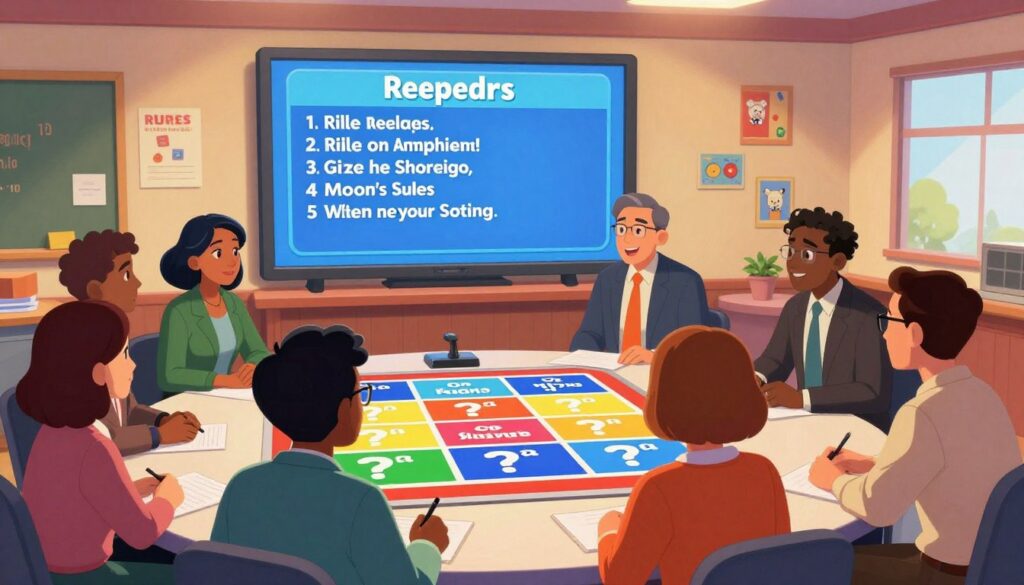
Personalization matters: account settings let instructors tailor feedback so each student gets clear, actionable guidance. That data helps refine pacing and focus on concepts that need more practice.
“AI shortens setup from hours to minutes while keeping materials aligned with standards.”
- Faster prep means more minutes of direct instruction.
- Balanced categories keep assessment fair and clear.
- Adaptive difficulty breaks complex concepts into bite-sized steps.
| Feature | Benefit | Typical Time Saved |
|---|---|---|
| Auto categories & questions | Curriculum-aligned content | 30–60 minutes |
| Personalized feedback | Targeted student support | Ongoing insights |
| Difficulty tuning | Better mastery of concepts | Reduced reteach days |
For a deeper look at building AI-powered lessons and content workflows, explore how to create an AI-powered online.
Key Features That Enhance the Student Experience
Smart platforms combine flexible layouts, live scoring, and media to lift the learning experience. These features create a clear structure that keeps class time purposeful and active.
Customizable Game Boards
Custom boards let instructors design a unique format that matches goals and pacing. Teachers can add categories, adjust difficulty, and include choice-based questions to meet diverse skills.
Multimedia content—images, short clips, and embedded links—reinforces key concepts and keeps students focused on the task.
Real-Time Scoring Systems
Live scoring updates progress instantly so student motivation stays high. Visible scores help teams celebrate success and pivot when answers lag.
The platform supports up to 100 teams and 500 players, making it simple to run large sessions with clear tracking for every student and team.
Multimedia Integration
Mixing video, diagrams, and text questions sharpens retention and varied thinking. Multiple-choice and layered difficulty ensure all learners meet appropriate challenge levels while having fun.
For an example of a robust Jeopardy-style option that scales to many users, see an engaging Jeopardy tool.
Integrating Games into Your Existing Curriculum
Embedding interactive activities into daily units keeps transitions efficient and learning continuous. Small, targeted tasks should align with standards so each activity moves the syllabus forward.
Seamless Classroom Management
Plan with purpose: map each activity to an objective and set a clear time limit. This keeps class routines predictable and reduces downtime.
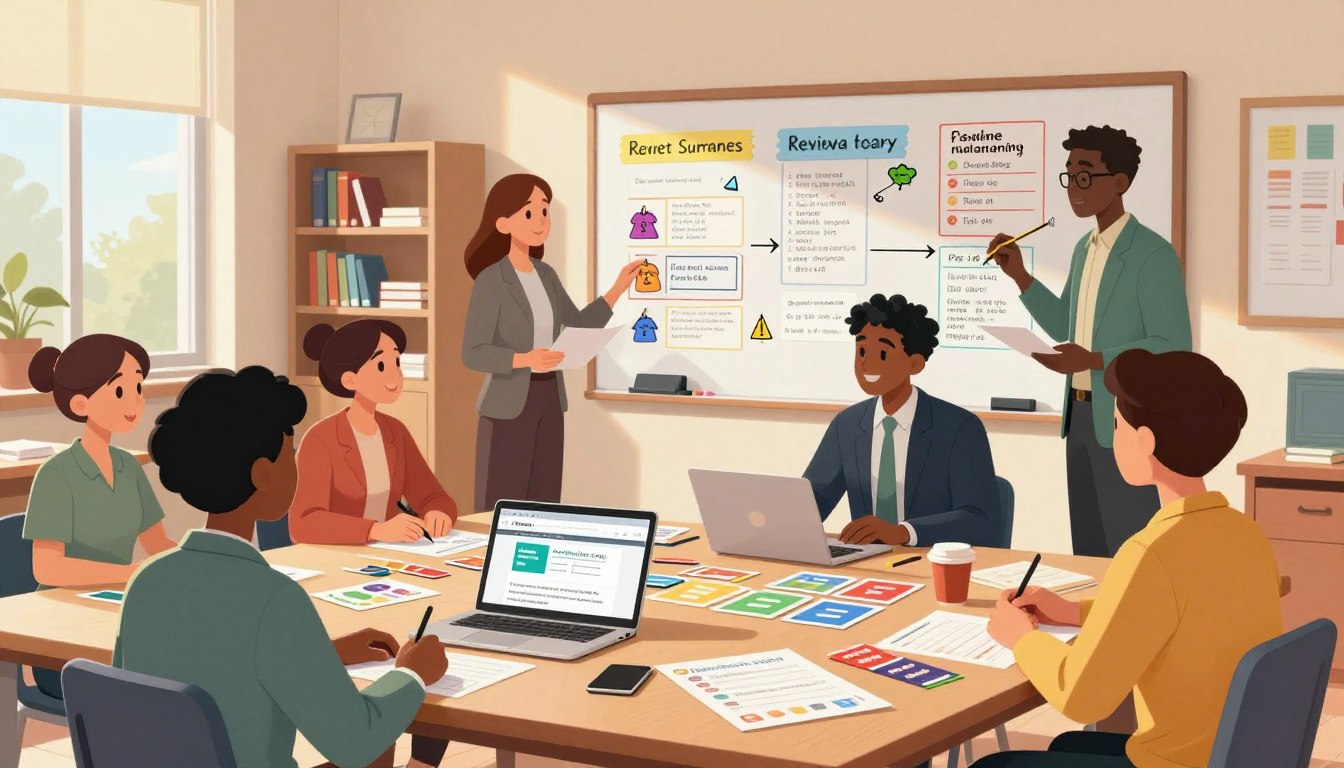
Use teams strategically: split the room into small groups so students collaborate, practice skills, and offer peer feedback.

- Leverage the jeopardy generator to produce aligned content that tracks mastery over the term.
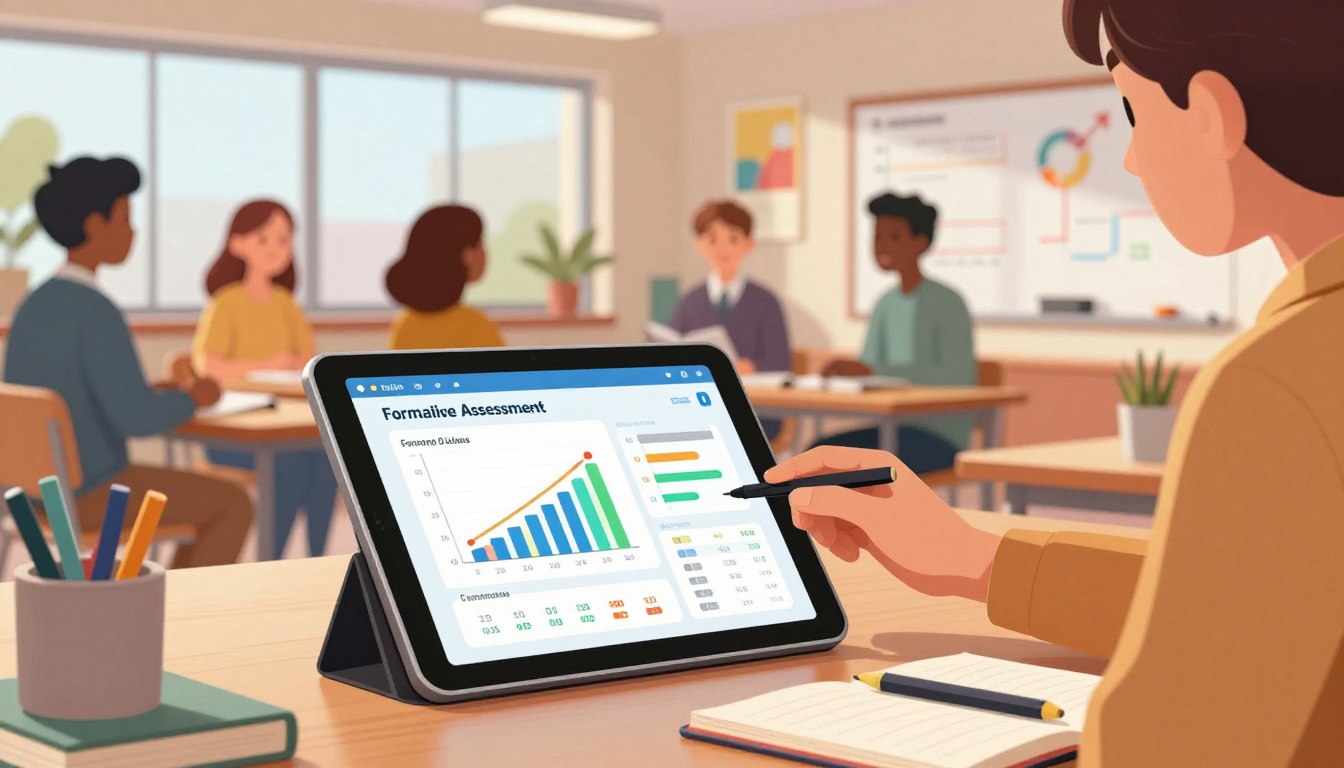
- Run a short review game at the end of a lesson to collect formative data.
- Use scoring as an objective signal: it flags topics that need reteaching before moving on.
- Keep templates consistent so the teacher can launch activities quickly and keep class momentum.
Comparing Manual Methods Versus Automated Tools
Designing a polished jeopardy-style activity by hand often costs hours and invites formatting errors.
Manual setups require careful layout, manual scoring, and constant edits. Those tasks interrupt class flow and waste minutes that could support learning.
Automated tools handle formatting, virtual buzzers, and live leaderboards. They keep the session smooth and let the teacher focus on questions and student feedback.
- Teachers save prep time and avoid scoring mistakes.
- Built-in features support multiple teams, complex categories, and varied difficulty.
- Students enjoy a consistent, glitch-free experience that boosts engagement.
Quick comparison:
| Method | Typical Issue | Benefit |
|---|---|---|
| Manual board | Formatting errors, slow scoring | Low prep tech needs |
| Automated tools | Initial setup time | Real-time scoring, virtual buzzers |
| Hybrid | Mix of manual edits | Balance of control and speed |
For a deeper technical comparison, consult this comparison study. The evidence shows that switching to automated systems frees educators to refine questions, target concepts, and elevate the overall class experience.
Realizing the Benefits of Interactive Learning
Interactive activities convert routine practice into measurable gains in retention and confidence. That happens when educational games focus on clear goals and short cycles of play and feedback.
When students join a well-structured review game, they get immediate answers that let them correct mistakes in real time. This instant feedback builds confidence and improves skills across the unit.
Motivation rises when the classroom feels like a purposeful challenge. A lively board, live scoring, and thoughtful choice help each student engage and enjoy the process.
Tracking progress through a student account provides objective insight. The teacher can spot gaps, adjust pacing, and make every session count toward long-term learning.
- Engagement: Teams and scoring keep learners focused.
- Retention: Short practice bursts lock in key content.
- Experience: Fun elements boost motivation and attendance on review days.
For practical guidance on building interactive lessons, explore interactive learning strategies that align tech, choice, and assessment.
Conclusion
Practical implementation—not just features—decides whether a tool changes classroom practice.
Adopting a professional review game generator is a strategic step that saves time and sharpens learning outcomes. Consistent use of these digital tools builds collaboration and keeps students engaged.
Leveraging AI to craft a polished jeopardy format transforms routine review into focused practice. Explore feature sets to keep content dynamic, accurate, and aligned with standards.
To deepen your skills and access training, see the AI workshops and seminars. Start small, iterate often, and measure impact—those small moves create lasting gains in classroom learning.
FAQ
How does FlowScholar.com help teachers create review games and practice activities?
FlowScholar.com provides a streamlined platform that transforms lesson content into interactive activities. Educators paste standards, topics, or questions, choose a format—such as a board challenge or quiz show—and the tool produces editable rounds, prompts, and answer keys. This reduces prep time, aligns material with learning objectives, and supports differentiated instruction through adjustable difficulty and timing.
What classroom engagement changes have educators seen using this kind of tool?
Teachers report higher participation, clearer formative feedback, and improved retention. Interactive tasks convert passive listening into active problem-solving. When learners work in teams or compete on a scoreboard, motivation rises and distracted behavior falls; teachers gain real-time insight into mastery and can reteach promptly.
In what ways does an automated review creator save teachers time?
The platform automates question formatting, scoring rules, and slide generation, cutting planning from hours to minutes. Templates and reusable question banks mean once content is entered, it can be adapted across classes and days. Batch export options and LMS integrations further reduce administrative overhead.
How does this approach boost student motivation?
Game-based formats introduce clear goals, immediate feedback, and social elements like teamwork and healthy competition. Multimedia prompts and varied question types cater to different learners, making practice feel like a challenge rather than rote work—which increases engagement and persistence.
What AI or automation features help streamline lesson planning?
AI assists by suggesting question variations, generating distractors for multiple choice, estimating difficulty, and grouping items by topic. Auto-timing, randomization, and adaptive pacing tools create balanced sessions. These features let teachers focus on pedagogy rather than layout.
Which key features most directly improve the student experience?
Customizable boards let teachers tailor visuals and categories to curriculum goals; real-time scoring offers instant performance cues; multimedia integration brings audio, images, and video into prompts. Together, these elements make practice dynamic and accessible across learning styles.
Can teachers customize game boards and formats to match curriculum topics?
Yes. Educators can edit categories, rename rounds, set point values, and upload curriculum-aligned questions. Templates support subject-specific needs—from vocabulary drills to math problem sets—so content stays tightly linked to standards.
How reliable are real-time scoring systems and how do they support assessment?
Modern scoring systems update instantly and offer exportable reports. They track individual and team performance, highlight common errors, and present data in teacher-friendly dashboards. That makes formative assessment actionable and helps with targeted reteaching.
What multimedia options are available and how do they affect learning?
Platforms typically accept images, audio clips, and short videos embedded into prompts. Multimedia supports diverse learners, clarifies complex concepts, and creates authentic contexts for questions—improving comprehension and retention.
How does this tool integrate with existing classroom management systems?
Integrations include single sign-on, rostering, gradebook syncing, and LMS export. Seamless imports of student lists and assignment pushes reduce setup friction and maintain continuity with established workflows.
Is it better to use automated tools than manual methods for review activities?
Both have value. Automated tools save time, scale feedback, and offer analytics; manual activities provide deep personalization and spontaneity. The ideal approach blends automation for efficiency with teacher-crafted items for nuance and relationship-driven instruction.
What measurable benefits do interactive review sessions deliver?
Teachers observe improved formative assessment accuracy, faster identification of learning gaps, higher on-task rates, and often better test performance. When paired with data-driven follow-up, interactive sessions accelerate mastery and boost classroom morale.
How do teams and scoring systems foster collaboration and skill development?
Team formats build communication, critical thinking, and accountability. Structured scoring rewards strategy and content mastery rather than speed alone. Over time, coordinated challenges teach metacognitive skills and peer-supported learning.
Are there time limits or recommended session lengths for optimal learning?
Short, focused rounds—typically 10–20 minutes—maintain attention and maximize retention. Longer sessions work for deeper practice but should include breaks and varied question types. The platform’s timing controls allow teachers to tailor pacing to lesson goals.
What support exists for aligning questions to standards and learning outcomes?
The system offers tagging, standards mapping, and exportable alignment reports. These features let educators ensure every prompt links to a specific objective, simplifying curriculum planning and evidence collection for evaluations.
Can teachers share templates and resources with colleagues or across schools?
Yes. Collaborative libraries, share links, and exportable templates enable staff to exchange proven activities. That promotes consistency across grade levels and reduces duplicated effort during busy weeks.
What options exist for differentiating content by difficulty or learner level?
Teachers can set tiered question banks, adjust point values, and create parallel rounds for varied readiness. Adaptive sequencing and ability-based grouping help meet diverse needs without requiring separate lesson plans for each learner.
How secure is student data and what privacy controls are available?
Reputable platforms follow FERPA and COPPA guidelines, offer role-based access, and enable data exports and deletions. Administrators control permissions and can audit activity to ensure compliance with district policies.
What pricing or account options should educators expect?
Common models include freemium access with limited templates, paid tiers for advanced analytics and integrations, and schoolwide licenses for district deployment. Educators should compare feature sets—like multimedia support and reporting—before committing.
How quickly can a teacher create and launch a review session using this platform?
A basic session can be created in under 10 minutes using templates and existing question banks; fully customized lessons typically take 15–30 minutes. Time savings increase as teachers build reusable libraries.
Where can educators learn best practices for using these tools effectively?
Professional development resources include vendor webinars, case studies, and peer forums. District instructional coaches and instructional technology specialists also provide hands-on training to align tools with pedagogical goals.