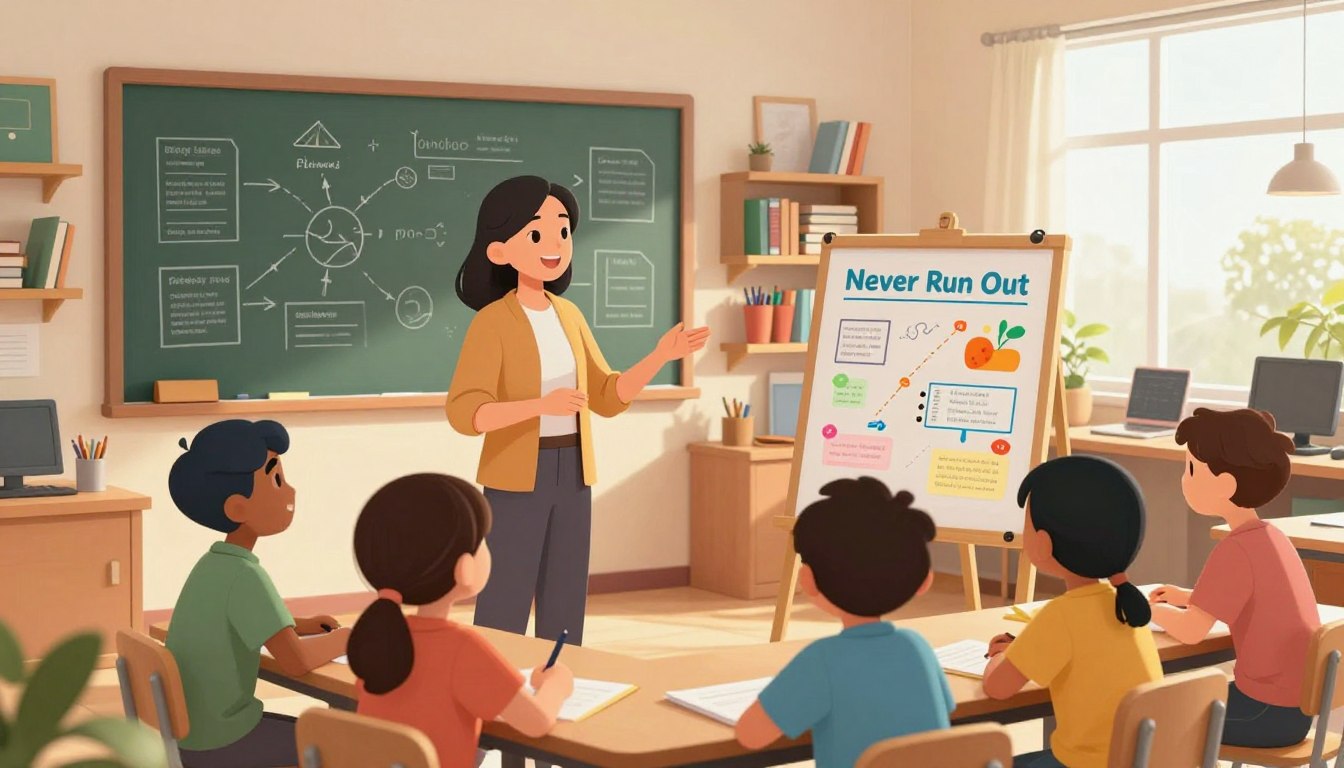
“Education is not preparation for life; education is life itself.” — John Dewey. This idea frames a practical problem: random posting yields random results. Educators need clarity, not chaos.
FlowScholar appears as an Education AI tool that eases planning and drafting within a repeatable approach. Early users report less friction and more quality work. To learn more, learn more.
When creators post without a plan, messages look scattered and trust fades. A simple plan creates clarity, consistency, conversions. It helps audiences spot expertise and know what to do next.
This guide will teach a repeatable process: generate ideas, pick a topic focus, publish on a steady schedule, and measure what performs best. The aim is not more posting; it is posting with intent so each piece supports a larger strategy.
Key Takeaways
- Random posts lead to mixed results; planning builds predictability.
- FlowScholar reduces planning time and boosts draft quality.
- Repeatable steps turn daily classroom moments into steady ideas.
- Strategy over volume increases trust and clarity with audiences.
- Measure and adjust to turn guesswork into decisions.
Why teachers and students “never run out” of content when they stop posting randomly
Consistency converts stray ideas into a recognizable voice that builds confidence over time. Repeated, focused posts teach an audience what to expect. That predictability creates trust faster than a single viral hit.
How regular rhythm builds trust on social media
Parents and decision-makers scan feeds for clarity, confidence, and a clear result. Clear positioning, recurring themes, and a steady cadence act as reliability signals.
If posts match a promise—say, weekly lesson tips and proof of student progress—people begin to expect and value each update.
What random results look like in teacher marketing
- Engagement spikes that don’t lead to inquiries.
- Posts that attract the wrong people or vague followers.
- A feed with mixed messages that weakens decision-making.
A simple diagnostic: if a new follower can’t name who a teacher helps and what result they deliver in 30 seconds, the material is too scattered. Shift from posting to publishing with intent; treat each post as a step in a journey.
For a practical next step, explore a simple content plan that turns repeating themes into measurable trust and clearer marketing.
The “Never Run Out” Content System for Teachers and Students
Structured workflows let teachers turn quick classroom wins into steady, searchable material.
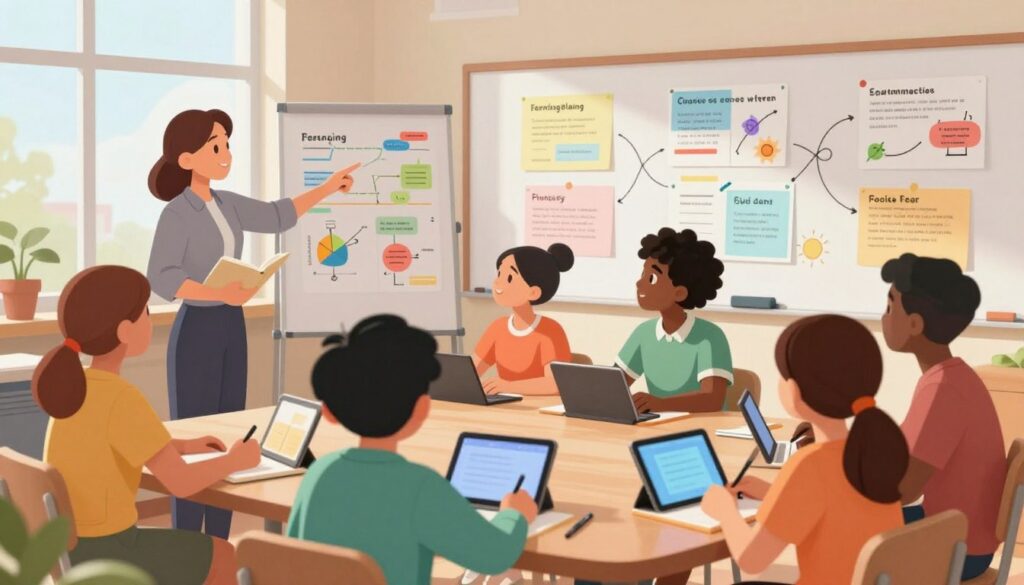
A repeatable plan reduces daily guesswork. Define four operational pieces: pillars, pipeline, schedule, and tracking. Pillars are themes you repeat. Pipeline is where ideas land. Schedule sets publishing days. Tracking uses light analytics to guide choices.
How to pick a clear topic focus
Choose one primary teaching outcome, one ideal learner, and one core promise that ties blog posts together. This trio prevents scattered messaging and builds expertise.
- Core assets: a bank of FAQs, a swipe file of proven posts, a lightweight tracker.
- Bridge platforms: mirror the topic on social, email, and blog so audiences see a single narrative.
- Use tracking as confidence: small analytics steps show what to scale and what to stop.
This approach saves time and creates a repeatable step-by-step path. Next: build an idea pipeline that fills your bank of reliable topics.
Build your idea pipeline using questions people already ask
Gathering real questions creates a steady pipeline that replaces guesswork with clear topics. Capture questions from Instagram DMs, YouTube comments, saved replies, parent emails, and classroom chats. These inputs show real demand and point to practical solutions.
Turn messages and comments into blog post ideas
Save repeated DMs and comment threads. Use saved replies as signals: if teachers repeat an answer, that point deserves a blog post or checklist.
Use “They Ask, You Answer” to avoid topic drought
“Answer real questions—if people ask it, there is interest.” — Marcus Sheridan
They Ask, You Answer makes every question a content opportunity. Tag questions weekly, then convert top queries into titles and short posts.
Find seasonality and expand with what/why/how
Scan forums and groups to spot testing months, back-to-school spikes, and recurring needs. Expand one question into a mini-series: what it is, why it matters, how to do it—plus quick wins and mistakes to avoid.
- Create solution-first topics from classroom problems: assignment turn-in methods, management by grade, hybrid tools.
- Repurpose one question into a blog post, a carousel, a short video script, and a checklist.
Create your content pillars and a weekly rhythm you can actually sustain
A simple set of pillars keeps messages focused and reduces decision fatigue. Start with three guardrails that guide every post: Education, Connection, Authority.
The three pillars that keep a message clear
- Education: mini-lessons that show teaching skill and quick wins.
- Connection: behind-the-scenes stories that humanize a teacher.
- Authority: results, testimonials, and myth-busting that prove expertise.
A realistic weekly posting schedule for busy weeks
Aim for 2–4 posts per week. A repeatable rhythm might read: Monday Education, Wednesday Connection, Friday Authority, optional Sunday engagement.

Example 7-day cycle you can repeat all year
- Day 1: teach (mini-lesson)
- Day 2: connect (prep story)
- Day 3: prove (testimonial)
- Day 4: engage (Q&A)
- Day 5: teach (example or tip)
- Day 6: connect (behind-the-scenes)
- Day 7: invite (clear call to action)
Practical tips: batch planning on one day, reuse templates, and define minimum viable posts for tight weeks. Consistency beats intensity—this strategy builds trust and perceived expertise over time.
For quick templates and pillar examples, see a short guide on content pillars and a practical workflow at automating small-business workflows.
Repurpose one idea into many posts across platforms and formats
Turn one quick classroom win into multiple media pieces that reach different people in different places. This approach saves time and scales reach: a short demo becomes a reel, a carousel, a story thread, a Pinterest pin, plus a searchable blog snippet.
Turn a single teaching tip into a reel, carousel, story, and blog post snippet
Start with a clear hook: one sentence that promises value. Film a 30–60 second demo for a reel. Break steps into 4–6 slides for a carousel. Record short captions to use in stories. Then expand the key steps into a 200–300 word blog post snippet that links back to the classroom resource.
How often to reshare top posts so you don’t burn out
Reshare best-performing pieces every 4–6 weeks. Update the caption or angle before reposting. Algorithms and human attention vary; repetition builds recall without constant new ideas.
Where lifestyle material fits: outfits, transformations, and behind-the-scenes
Lifestyle posts—outfit recaps, classroom transformation before/after, quick product lists—work as connection content. Pair them with useful takeaways to keep authority intact.
| Format | Best use | Time to create | Monetization |
|---|---|---|---|
| Short video (reel) | Demo a tip | 15–30 min | Sponsored clips, affiliate links |
| Carousel | Step-by-step guide | 20–45 min | Drive to blog, product links |
| Blog snippet / post | Searchable detail | 30–60 min | Ads, affiliate, email signups |
| Story / pin | Real-time updates, evergreen pin | 10–20 min | Swipe-up, LikeToKnowIt, Amazon |
Quick examples: an “outfits of the week” recap becomes a weekly reel plus a themed blog round-up. A classroom transformation yields before/after pins, a carousel of steps, and a linked list of products that supports influencer-style affiliate income.
For a proven monthly workflow that turns one idea into many assets, see this easy content production guide.
Measure what works and refresh your strategy with Google Analytics and search data
Analytics convert guesswork into a short list of priorities teachers can act on each month. Use a simple loop: spot winners, update weak pages, then repeat.
Use Google Analytics to spot winning topics and update older pages
Identify top landing pages and note seasonal spikes. Add clearer CTAs, split an overloaded blog into a hub plus short posts, and tighten internal linking.
Use the Google Search bar to find related questions
Type a core topic, capture “People also ask” phrasing, and convert those lines into outlines for new posts or short videos.
Refresh keyword lists and monitor competitor topics
- Monthly: review top 10 pages and tune CTAs.
- Quarterly: deeper refresh—add new keywords, retire stale terms.
- Advanced: scan forums, run gap analysis, then defend or attack missed angles.
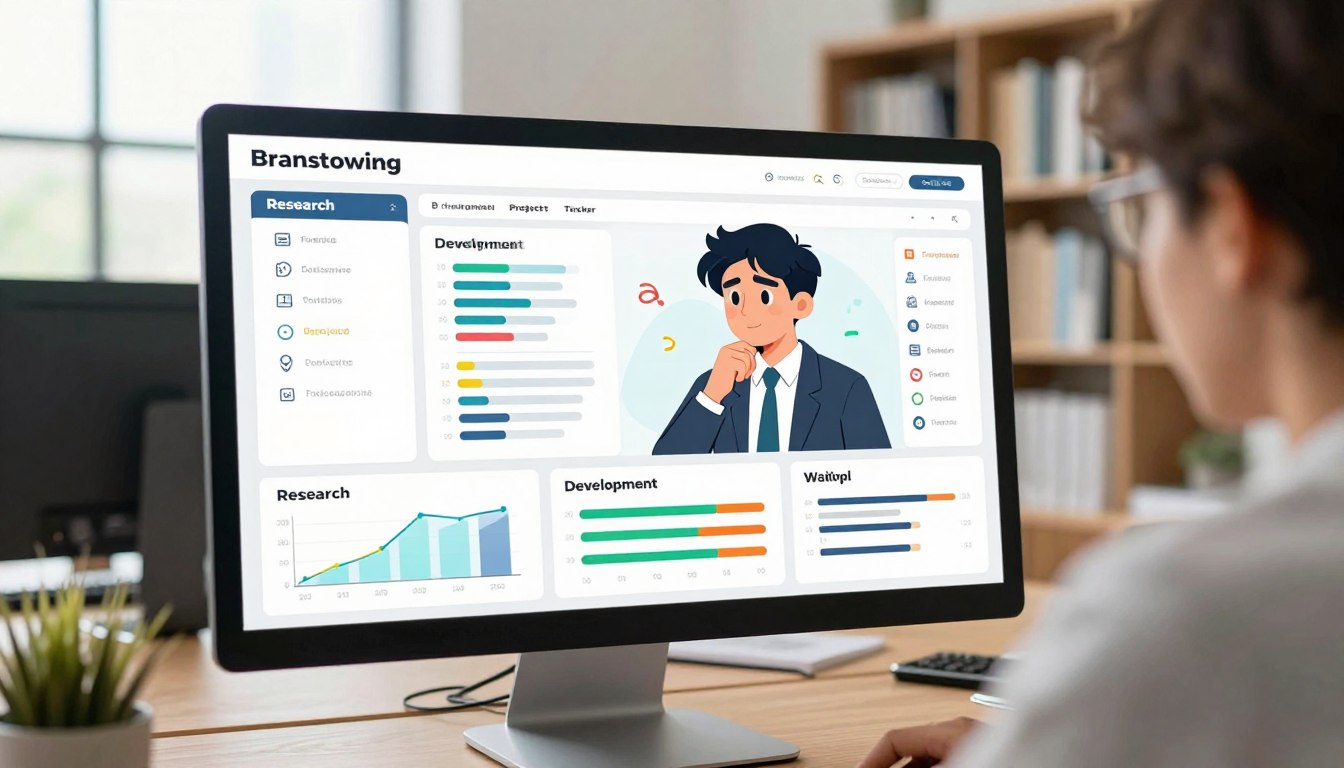
Measurement prevents burnout: analytics tells which ideas deserve more work and which to reframe. This step compounds performance and supports smarter marketing choices.
Conclusion
Small, repeatable habits remove guesswork and make weekly planning manageable.
Capture real questions, funnel them into a simple pipeline, publish within three pillars, then repurpose and measure results. Follow that step and teachers plus students see faster gains: less stress about what to post, clearer expertise signals, more inquiries.
Start with one week at a time—plan a single post, test one repurpose method, then iterate. Use practical examples from a creativity guide like cultivating inspiration or explore GPT-powered tools to speed workflows.
Want help executing faster? Explore FlowScholar to streamline planning, drafting, and repeatable publishing.
FAQ
How does the “Never Run Out” content approach stop teachers and students from posting randomly?
The approach turns scattered posting into a predictable workflow. It uses content pillars, an idea pipeline, and a weekly rhythm so creators publish with purpose. That structure reduces guesswork, builds authority, and conserves time—so posts align with audience needs rather than impulsive topics.
How does consistency build trust with an audience on social media?
Consistent publishing signals reliability. When educators share useful lessons, classroom solutions, and clear calls to action on a steady schedule, followers learn what to expect. Over time that predictability increases engagement, improves discoverability, and converts casual visitors into loyal students or clients.
What do “random results” look like in teacher marketing and content marketing?
Random results show as slow growth, fluctuating engagement, and missed opportunities. Without a system, topics repeat by accident, analytics remain unclear, and time is wasted creating posts that don’t support enrollment or lead generation. A repeatable plan fixes those leaks.
What does a repeatable content system include?
A practical system contains four parts: content pillars (the themes you own), an idea pipeline (questions and community prompts), a schedule (a realistic weekly rhythm), and tracking (metrics via Google Analytics and social insights). Together they turn one idea into many formats and measurable outcomes.
How should a teacher pick a clear topic focus so posts don’t feel scattered?
Start with the intersection of expertise, audience need, and search intent. Choose one primary theme—classroom management, curriculum design, or student assessment—and build subtopics. Use analytics and audience questions to refine topics until posts reinforce a single expert identity.
How can teachers build an idea pipeline from questions people already ask?
Collect questions from Instagram DMs, YouTube comments, forum threads, and saved replies. Log recurring queries and sort them by intent: what, why, and how. That list becomes a rolling backlog for blog posts, reels, and email newsletters—no more blank-page anxiety.
How do teachers turn Instagram DMs, YouTube comments, and saved replies into blog post ideas?
Identify patterns in messages, then expand each into a long-form answer or step-by-step tutorial. Use a short social post to introduce the question and link to a deeper blog or video. This creates search-friendly content and strengthens community trust.
What is “They Ask, You Answer” and how does it generate topics?
“They Ask, You Answer” is a mindset: prioritize real audience questions and answer them publicly. It produces evergreen topics, improves SEO, and positions the teacher as a helpful resource. Every question can become multiple assets across formats.
How can teachers find seasonal patterns using forums and community threads?
Monitor groups and forums through keyword searches and monthly reviews. Note spikes in questions tied to school terms, exams, or holidays. Use those patterns to time campaigns, create timely resources, and plan repurposed content for peak interest.
How do you expand a question using the what, why, and how framework?
Break each query into three posts: define the issue (what), explain its importance (why), and give step-by-step solutions (how). That framework yields short clips, a carousel, and a detailed blog post—covering awareness, interest, and action stages.
How do you create solution-first topics from real classroom problems?
Start with a specific challenge—behavior management, lesson engagement, or formative assessment. Craft titles that promise practical help, then deliver templates, scripts, or example lessons. Solution-first content converts because it solves immediate pain points.
What are the three content pillars that keep a teacher’s message clear?
The recommended pillars are Education (how-to and curriculum), Connection (behind-the-scenes and student stories), and Authority (case studies, research-backed tips). Together they balance usefulness, personality, and credibility.
What is a realistic weekly posting schedule for busy weeks?
Aim for a sustainable rhythm: one educational long-form post (blog or video), two short social posts (reel and carousel), and one connection post (story or photo). Schedule repurposing so one idea yields multiple assets without added planning time.
Can you share an example 7-day content cycle teachers can repeat?
Day 1: Publish a blog or lesson breakdown. Day 2: Share a reel demonstrating a classroom tip. Day 3: Post a carousel with step-by-step slides. Day 4: Answer a DM question publicly. Day 5: Share a behind-the-scenes photo. Day 6: Reshare the best-performing post with a new hook. Day 7: Send a newsletter linking top content. Repeat and refine with analytics.
How do you repurpose one teaching tip into many formats?
Distill the tip into a short script, expand into a carousel with examples, record a quick demo reel, and write a supporting blog snippet. Use quotes for stories and captions. This multiplies reach without creating new ideas from scratch.
How often should teachers reshare top posts to avoid burnout?
Reshare high-value posts every 4–8 weeks with fresh captions or visuals. Rotate formats and update CTAs. That cadence keeps content visible while preserving authenticity and reducing pressure to create constant new posts.
Where does teacher lifestyle content fit in the strategy?
Lifestyle content—outfits, classroom transformations, and BTS—serves the Connection pillar. Use it sparingly to humanize the brand, deepen rapport, and show values. Balance personal posts with educational and authority pieces to maintain professionalism.
How can Google Analytics help spot winning topics?
Analytics reveal pages with high traffic, strong time-on-page, and conversion events. Use those signals to refresh top posts with clearer CTAs, new internal links, or updated examples. That turns historical wins into ongoing leads.
How do you use the Google Search bar to find related questions and angles?
Type a core query and review autocomplete suggestions and “People also ask.” Those prompts expose common questions and long-tail variations. Each suggestion can become a targeted post or FAQ entry optimized for search.
How often should keyword lists and competitor topics be refreshed?
Review keyword performance and competitor content every 8–12 weeks. Update your list with new search trends, seasonal queries, and gaps competitors aren’t covering. This keeps the strategy current and defensible.