“The single biggest problem in communication is the illusion that it has taken place.” —George Bernard Shaw
The opening here sets a clear premise: better outcomes follow when parents and teachers share predictable ways of working. Strong teacher-family partnerships raise student achievement, attendance, and graduation rates.
Readers will find a practical, system-minded guide—less about more messages and more about architecture: clear channels, steady cadence, and shared expectations that cut missed information.
FlowScholar is introduced as an education AI tool that helps draft, organize, and personalize family outreach while keeping the educator in control of tone and timing.
This introduction previews what success looks like for school leaders: fewer surprises, faster intervention, higher engagement, and communication that supports learning without eating teacher time.
Key Takeaways
- Frame outreach as a system with clear channels and predictable routines.
- When teachers and families align, students get consistent guidance.
- Practical tools—like FlowScholar—can save time and improve follow-up.
- Actionable plans should respect busy schedules and access limits.
- Later sections will move from rationale to step-by-step execution.
Why strong teacher-family communication matters for students today
Clear, reliable outreach between school staff and caregivers makes measurable differences in student progress. Engaged parents and families form a practical pathway to higher achievement, better attendance, and stronger graduation rates.
Student outcomes linked to engaged families: achievement, attendance, and graduation
When families are engaged, students show improved performance and steady learning growth. Research finds a 6% drop in chronic absenteeism when school–family partnerships strengthen.
- Weekly text nudges about grades, absences, and missed work can raise attendance by 18%.
- Those same nudges have been associated with 39% fewer course failures.
How consistent messages from home and school strengthen learning and behavior
Consistent expectations across home and school reduce mixed signals that disrupt habits and behavior. Regular, respectful outreach signals that teachers see the whole student and builds trust.
Timely visibility—early alerts about missed assignments or slipping grades—lets educators and parents act before small issues become chronic problems.
Practical systems help a parent know what the child is learning, what good progress looks like, and one small way to support that learning at home. Families are partners, not a compliance step; their insights improve classroom strategies and student success.
How to Build a Teacher-Parent Communication System That Works
Define measurable goals up front. Define response-rate targets, fewer missed messages, and a predictable rhythm families notice in month one.
Collect preferences early. In week one use a short intake (Google Form or paper) that captures best contact method, best times, and home languages. Follow with a brief welcome call or message that listens as much as it informs.
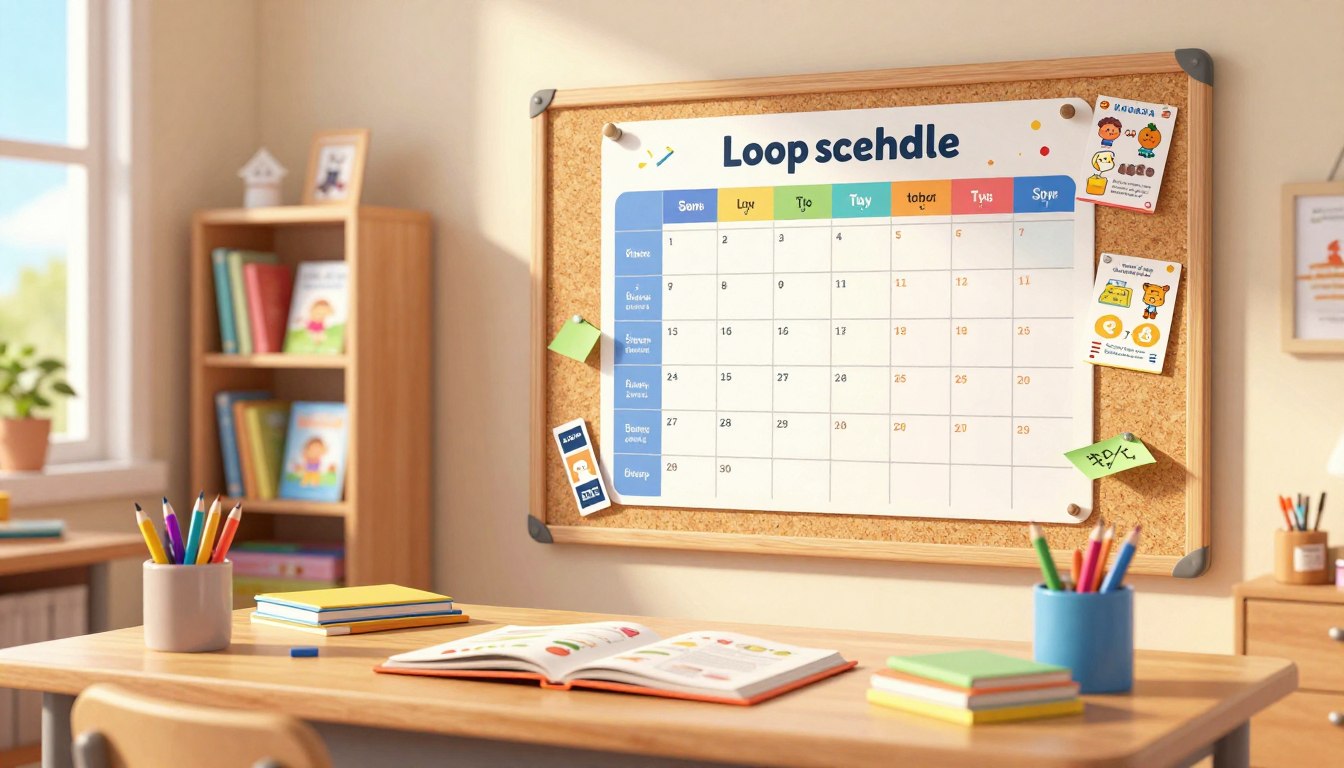
Publish a simple, public plan families can count on across the school year. State channels, cadence (for example: weekly Friday update), message types, and expected response windows.
| Intake Option | Data Captured | Best Use |
|---|---|---|
| Google Form | Contact method, times, languages | Quick digital intake for tech-savvy families |
| Paper Form | Same fields plus signatures | Accessible option for low-tech households |
| Welcome Call | Context, custody notes, preferences | Trust-building and clarifying special needs |
- Tie preferences to action: route texts, translations, or calls based on answers.
- Keep language inclusive: use “families” and plain terms so caregivers immediately understand next steps.
For practical start-up guidance, see a tested checklist to start the year right.
Choose clear, consistent channels without overwhelming families
A disciplined set of channels makes signals reliable for busy families and teachers. Limiting platforms to one or two reduces missed updates and lowers the cognitive load on parents and staff.
Limit platforms:
Limit platforms to one or two so families always know where to look
Pick a primary app for real-time posts and an email for longer notes. Consistency means families know where to check first; teachers know where to post once.

Match the message to the medium
Email carries context-rich information and newsletters. An app handles short reminders and photos. Take-home folders send signed forms or student work home.
Use real-time tools thoughtfully
Share occasional classroom photos, brief updates, and reminders that reinforce learning goals. Tools like Seesaw or ClassDojo work for artifacts; Remind fits timely, concise alerts.
Set boundaries that protect teacher time
- Response window: check email after school and reply within one school day.
- Office hours: set short daily blocks for parent calls and escalation paths for urgent issues.
- Weekly vs urgent: weekly updates report learning and dates; same-day messages cover schedule changes or safety notices.
For practical implementation and evidence-based guidance, see this resource at building effective parent–teacher relationships.
Build communication routines that keep parents informed and engaged
A steady rhythm of outreach makes updates predictable and trusted by families. A simple weekly check-in reduces one-off messages and gives parents clear visibility into classroom learning, upcoming events, and key dates.
Weekly check-ins that cover classroom learning, upcoming events, and key dates
Send one concise note each week on the same day and time. Keep it short: what students learned, three calendar items, and one practical ask families can do at home.
Positive-first outreach that builds trust before challenges come up
Lead with good news. A quick recognition of progress makes later conversations about concerns more constructive and less defensive for parents.
Actionable updates families can use at home to reinforce learning
Include one at-home activity tied to current lessons—one question, a 5-minute skill check, or a vocabulary prompt. That makes learning visible and doable for busy caregivers.
“Nudges” that help students stay on track: grades, absences, and missed assignments
Short, timely nudges about grades, absences, or missing work let a parent intervene early. Research links weekly texts on these items with an 18% rise in attendance and a 39% drop in course failures.
| Design Tip | Purpose | Example |
|---|---|---|
| Plain language | Clarity | “This week: fractions. Try 5 minutes at dinner.” |
| One CTA | Action | “Reply if you need translation.” |
| Progress frame | Motivation | “On track if 3/4 assignments complete.” |
Practical tip: batch weekly updates to protect teacher time and keep families engaged. Predictable routines increase parent engagement and help students make steady progress.
Remove barriers and make communication inclusive for every family
Equity in outreach begins by designing systems that meet families where they are. Identify common barriers—limited time, work schedules, transportation, inconsistent technology, and gaps in translation—and treat them as system constraints, not caregiver shortcomings.

Translation and multilingual support
Provide messages in home languages, offer interpreters for meetings, and translate newsletters and consent forms so language never limits participation. Expectation: urgent notices and routine updates should have translation pathways.
Access alternatives for inconsistent technology
Use paper take-home folders, scheduled phone calls, and concise text messages as reliable backups when apps or email fail. Low-tech options keep parents connected and reduce missed information.
Rebuilding trust through empathy and follow-through
Some families carry past negative experiences with school. Repair begins with listening, clear timelines, and consistent follow-through. Small, reliable actions rebuild credibility over months.
Inclusive language and flexible engagement
Adopt “families” and “caregivers,” minimize acronyms, and recognize many ways parents can support learning—attending events is only one form of engagement. Ask caregivers about routines and stressors; their knowledge helps teachers design better support.
For evidence-based strategies on trust and equitable outreach, see this study on family engagement: research on rebuilding trust.
Make parent-teacher conferences a reliable part of your communication system
Make conferences a predictable checkpoint where evidence, expectations, and next steps meet. Position each meeting as part of an ongoing plan so parents and teachers share one clear record of student progress.
Prepare concise evidence of progress
Bring work samples, recent grades, and brief behavior notes. Include learning trends over weeks, not just single assignments.
Pack a one-page progress summary so the parent sees growth, gaps, and the next measurable target.
Structure the conversation for clarity
Begin with strengths, name specific concerns with observations, then invite caregiver input. Co-create an action plan that lists teacher steps, parent supports, and student responsibilities.
Follow up and keep momentum
Send a short recap message after the meeting with agreed timelines and a scheduled check-in date. Track commitments in a simple log so future conferences reflect continuity and stronger relationships.
| Purpose | What to Bring | Follow-up |
|---|---|---|
| Check academic progress | Work samples, grades, trend chart | Weekly update message, 2-week check |
| Address behavior and effort | Behavior notes, examples of classroom work | Shared action steps, parent-student tasks |
| Create shared plan | One-page goals and roles | Documented commitments and review date |
Conclusion
Design matters: predictable routines free teachers and clarify expectations for parents and families. A compact plan—collect preferences, publish the plan, pick one or two channels, batch weekly updates, add targeted nudges—turns scattered outreach into steady support.
Inclusivity is nonnegotiable: translate messages, offer low-tech options, and write plain notes so every family can act on information. That attention raises trust and student success.
For teams ready to operationalize these ideas with AI-enabled efficiency, explore FlowScholar—an Education AI Tool that speeds drafting, summarizes trends for conferences, and keeps the human voice in place: FlowScholar. Learn practical implementation notes at Miloriano’s guide.
FAQ
Why does strong teacher-family communication matter for students today?
Research links engaged families with better achievement, higher attendance, and improved graduation rates. Clear, regular contact aligns expectations, reduces misunderstandings, and creates a shared support system that boosts student motivation and behavior.
What student outcomes improve when families and schools send consistent messages?
When home and school present consistent routines and expectations, students show stronger classroom behavior, steadier academic progress, and clearer study habits. Consistency reduces confusion and reinforces learning across settings.
How should educators define success for parent communication?
Success looks like predictable touchpoints, timely responses, and actionable information families use at home. Set measurable goals—response time, family engagement rate, and frequency of positive outreach—and review them periodically.
When should teachers collect family contact preferences, and what should they ask?
Gather preferences at the start of the year or at intake: best contact method (email, phone, app, text), optimal times for contact, preferred language, and any accessibility needs. Use that data to personalize outreach.
How can teachers keep communication simple so families aren’t overwhelmed?
Limit channels to one or two primary platforms—such as email plus the school’s messaging app—and reserve others for emergencies. Clearly state where families should look for updates and what each channel will deliver.
Which messages belong in email versus an app notification or a take-home folder?
Use email for detailed updates and newsletters, app messages for quick reminders and real-time alerts, and take-home folders for signed forms or student work. Match complexity and urgency to the medium.
What are effective routines that keep parents informed without increasing teacher workload?
Weekly check-ins with learning highlights, an events calendar, and brief positive notes work well. Use templates and scheduled automation for recurring messages to save time while keeping families in the loop.
How can teachers ensure outreach starts with positives and builds trust?
Begin with regular positive-first updates that spotlight effort, progress, or social skills. That foundation makes difficult conversations easier and shows families the teacher values partnership, not just accountability.
What kinds of updates are most useful for families to support learning at home?
Actionable items—specific skills practiced, suggested activities, vocabulary to review, and concrete next steps—help families reinforce lessons. Short examples or links to resources increase follow-through.
How can communications include “nudges” that help students stay on track?
Send timely alerts about missing assignments, falling grades, or attendance concerns with suggested supports. Pair the nudge with a clear next step and an invitation for joint problem-solving.
What strategies remove language and access barriers for diverse families?
Provide translated materials and multilingual support, offer phone calls or in-person meetings when tech is limited, and use plain, inclusive language. Partner with interpreters or community liaisons when needed.
How should schools handle families with limited technology access?
Offer paper notices, scheduled phone outreach, and SMS when available. Coordinate pick-up times for paper packets and ensure critical information is duplicated across low-tech channels.
What steps rebuild trust after negative past experiences between families and schools?
Start with listening sessions, acknowledge past issues, and follow through on commitments. Use consistent, transparent updates and involve families in decision-making to demonstrate reliability.
How can teachers plan productive parent-teacher conferences?
Bring student work samples, behavior notes, and trend data. Structure the meeting: highlight strengths, discuss concerns, co-create an action plan, and set clear follow-up steps and timelines.
What should follow-up look like after a conference?
Send a brief summary of agreed actions, timelines, and responsible parties. Schedule a check-in—via the chosen channel—to review progress and adjust supports as needed.
How do teachers balance responsiveness with protecting their time?
Set clear boundaries: share typical response windows, use scheduled updates, and automate routine messages. Reserve synchronous time for urgent matters or scheduled conferences to manage workload effectively.
Which tools best support real-time classroom updates and sharing student work?
Secure classroom apps and school-authorized platforms that allow photos, brief messages, and permission controls work well. Choose tools that comply with privacy rules and that families can access easily.
How can schools define engagement for diverse families beyond traditional volunteer roles?
Expand definitions to include home learning support, attendance at virtual events, participation in surveys, and consistent two-way communication. Recognize cultural and time constraints when measuring involvement.
What language should teachers use to make messages inclusive and respectful?
Use clear, nonjudgmental phrasing, avoid jargon, and acknowledge family strengths. Offer choices and invite collaboration; simple respectful language increases participation and trust.
How often should schools send newsletters or classroom updates?
Weekly or biweekly newsletters strike a balance between staying visible and avoiding overload. Keep them concise, with sections for highlights, upcoming dates, and actionable family tips.
What privacy considerations matter when sharing student photos or progress?
Obtain signed permission for photos, limit identifying details, and use secure platforms. Follow district policies and communicate clearly about how content will be used and stored.
How can administrators support teachers in maintaining effective communication?
Provide training on tools and multilingual strategies, allocate planning time for outreach, and set unified protocols for messaging. Admin support reduces inconsistency and teacher burnout.
What metrics help evaluate the effectiveness of a school’s communication approach?
Track family response rates, attendance at events, completion of follow-up actions, and survey feedback. Use these metrics to refine channels, timing, and message content.