“The single biggest problem in communication is the illusion that it has taken place.” — George Bernard Shaw.
Clear, repeatable messages save time and build trust. Educators often prefer emails because they document conversations, loop in colleagues via cc, and reduce back-and-forth. Sending a few positive notes weekly can change how caregivers view messages from teachers.
This guide aims to help school teams craft reusable templates that reduce friction and protect planning time. It previews scenarios: positive notes, early concerns, repeated issues with escalation, academic integrity, plus operational messages like absences and tech support.
FlowScholar is an Education AI tool that speeds drafting and standardizes tone—explore it at https://www.flowscholar.com to build templates that match a school’s voice. For a related classroom letter example, see a welcome template here: welcome back letter.
Key Takeaways
- Repeatable messages reduce misunderstandings and save time.
- Positive, frequent reach-outs build caregiver trust.
- Structured templates improve documentation and consistency.
- Adapt templates to local policy, especially around grades and integrity.
- Use FlowScholar to draft, edit, and scale your communication workflows.
Parent-Teacher Email Communication That Works in Today’s Classrooms
A clear, repeatable email routine saves teacher time and prevents confusion across families. Written messages preserve exact wording, cut scheduling friction, and create a record that supports classroom teams when issues escalate.
Why email often beats phone
Email reduces scheduling conflicts and keeps a searchable trail of information. A quick message can include links, attachments, and dates that a phone call may miss.
Phone calls are useful for urgent, sensitive matters; email wins for clarity and documentation.
Inclusive greetings and naming
Openers like “Hello caregivers,” “Hello,” or “Hello family of [student name]” avoid assumptions. Avoid using an adult’s personal name until a relationship is built; email handles may mislead.
What to include every time
Professional email checklist:
- Student name and class/period.
- Date of incident or missing work.
- Concise factual description of the issue.
- Actions already taken and clear next steps with timelines.
Managing tone when emotions run high
Stick to observable facts; separate impact from intent. Avoid sarcasm and loaded adjectives. When questions risk inflaming conflict, acknowledge concerns, restate shared goals, and offer one clear next step.
| Action | Why it matters | Quick example |
|---|---|---|
| Use neutral greeting | Prevents assumption about family structure | “Hello caregivers of Jordan” |
| Include checklist items | Preserves clarity and record | “Jordan, 3rd period; 2/10; missing quiz” |
| Proof for tone | Reduces escalation risk | Remove phrases that imply intent |
Time-saving workflow: draft from a template, personalize two details (incident + support offer), proof for tone, then send. FlowScholar helps educators create faster first drafts and consistent revisions—try it at https://www.flowscholar.com to build a reusable library of school-ready messages.
The Best Parent Email Templates for School Situations
Using four repeatable message types helps teachers keep tone steady and decisions simple across a year.
Why this set matters: these templates reduce decision fatigue, create consistent records, and make responses faster while keeping families engaged.
Positive and complimentary notes
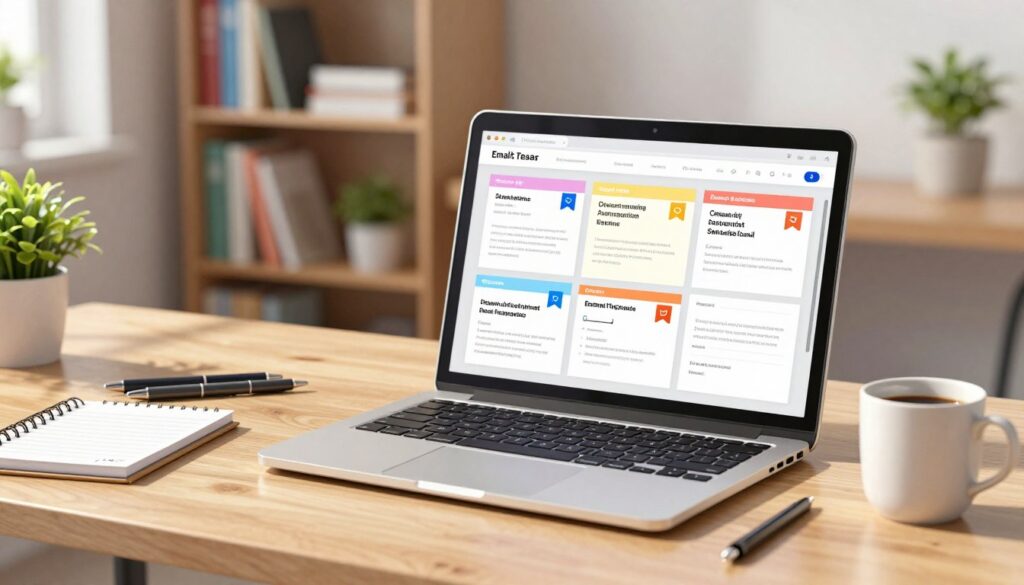
Aim for 4–5 brief positives each week. Keep each message short and specific. Example: “Alex improved quiz scores three weeks in a row and participated with insightful questions—please share our thanks at home.”
Initial concern
Send as soon possible when a minor issue appears. Describe what you observed, note you spoke with the student, and list next steps and available support.
Repeated concern and escalation
Reference prior emails, add updated data (missing work count or frequency), and explain why a counselor or administrator is cc’d. CCing is for alignment, not punishment.
Academic dishonesty
Keep statements factual: what, when, where; align to policy; attach evidence if allowed.
- Close every message with a partnership line: “Please let me know how we can support and the best next step.”
- Batch positives to save time; use FlowScholar to adapt each email to local wording and tone.
Try FlowScholar at https://www.flowscholar.com to quickly tailor these email templates to policy and keep a calm, consistent voice under pressure.
How to Write Concern Emails About Assignments, Grades, and Behavior
When concerns arise, a short, structured message preserves clarity and invites collaboration. Start with facts, list actions taken, and end with clear next steps that a family can follow soon possible.
Academic concern elements
- List missing assignments: name each assignment and where to submit it.
- Current grade: share the up-to-date grade and how much time remains in term.
- Priorities: identify one or two high-impact tasks the student should complete first.
Behavior concern elements
Note date/day, specific behavior, and measurable impact on learning. Avoid character labels; describe observed actions and class effects.
Language that invites partnership
Use phrases like “please let me know if there’s context that would help” and “I would love to partner on a plan”. Offer a short menu of supports: tutoring, reteach time, or a behavior reset plan.
Follow-up and escalation
Save messages, reference prior emails with dates, and summarize verbal talks in writing. If issues persist, loop in a counselor or admin and propose a conference aligned to school processes. For guidance on professional boundaries and documentation, see guidelines on communications between teachers and.
Efficiency note: FlowScholar can draft a calm first version from a few facts—missing work count, current grade, or incident summary—so a teacher spends less time composing and more time supporting students. Try it at https://www.flowscholar.com.
Email Subject Lines Parents Actually Open
An effective subject line saves time by signaling exact action and timeframe at a glance. It is the first filter busy families use to decide whether to open a message.
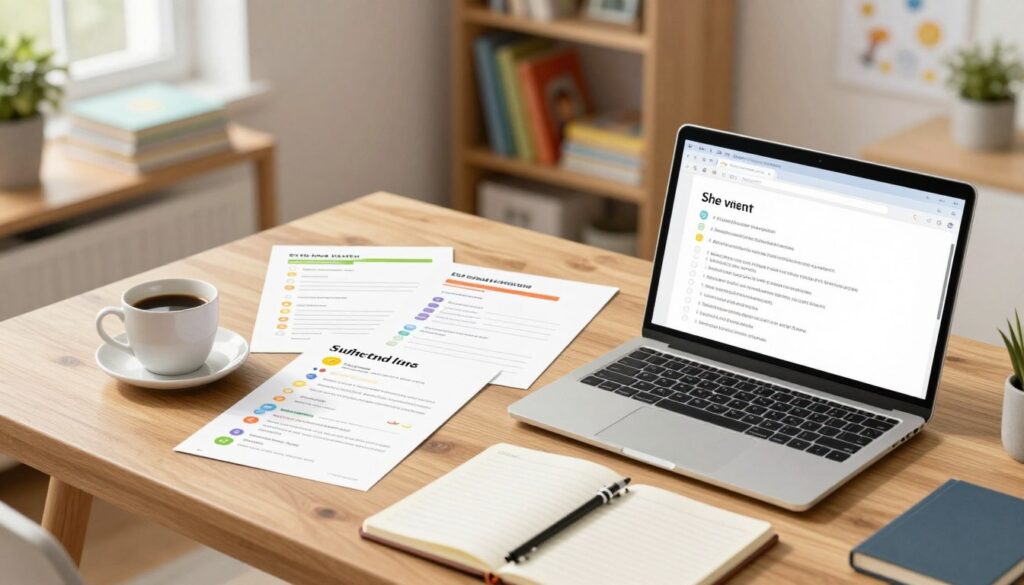
Direct subject lines for important information and classroom updates
Use this simple formula: [Student Name] + [Topic] + [Timeframe] or [Action Needed] + [Due Day]. Keep the line short so it displays on a phone.
Creating urgency without sounding alarmist
- Use time markers like “by 3 PM today” or “before Friday” instead of emotional words.
- Avoid excessive emojis or playful phrasing that reduce perceived relevance.
- Examples: “Jordan: missing math quiz — due Friday”, “Conference sign-up — choose a 10/12 slot”.
Professional tone guidelines to reduce confusion and improve response rates
Be explicit about what you want: state the action, the due day, and where to find more information. Short lines lower follow-up questions and speed resolution.
Consistency tip: Agree on a few subject line patterns across a teaching team so parents learn what to expect. Teams that standardize lines cut inbox noise and improve open rates.
For examples and phrasing ideas, see a practical guide on how to communicate with families.
High-Volume School Email Situations: Absences, Virtual Learning, and Tech Help
High-volume inbox moments—absences, virtual days, and tech hiccups—demand short, repeatable replies that protect teacher time.
Student absence: quick guidance
Use a brief absence note: state the date missed, summarize missing assignment types, and point families to where work lives.
Example: list missed assignments and link to class space. Set a clear make-up timeline and offer support options.
Google Classroom and submission help
Give a three-step path: 1) confirm login; 2) open class → class stream or assignment page; 3) submit via attachment or link. Add an official help link and say, “keep working while you wait.”
Password and login routing
Route password issues to IT. Note what the teacher can do and suggest steps families can try while access is restored.
“Prewritten replies act as inbox insurance—calm instructions that keep learning moving.”
| Situation | Quick content | Suggested next step |
|---|---|---|
| Absence | Date, missed assignments, location | Make-up by X days; offer time to review |
| Submission error | Login check, file type, submit steps | Try alternate upload; link to help |
| Login problem | Route to IT/help desk | Request reset; continue offline work |
Save time: build a termly library of short templates and store them in FlowScholar to send in a couple clicks. For sample messages, visit an email examples library and try FlowScholar at FlowScholar.
Conclusion
Clear, repeatable messages turn routine outreach into efficient, trust-building practice. A small set of reliable notes handles most classroom moments and keeps communication calm and consistent.
Use four core templates: quick positives to build trust, an early concern that invites support, a repeated-concern note that documents and coordinates, and a factual academic-dishonesty message aligned to policy. These email templates save time and reduce follow-ups.
Over a year, steady messages cut misunderstandings, raise response rates, and create useful records that support counselors and administrators. Pick two templates this week—one positive, one concern—and track time saved and reply quality.
To move from ad hoc drafts to a reliable library, try FlowScholar—an Education AI Tool that speeds drafting and keeps tone consistent: https://www.flowscholar.com. Clear next steps, respectful tone, and a short thanks go a long way.
FAQ
Why is email preferred over phone calls for classroom communication?
Email creates a written record, reduces missed information, and saves time for both families and staff. It allows teachers to include attachments, timelines, and next steps that families can review at their convenience.
How should a teacher address caregivers when names or family structures are unknown?
Use inclusive greetings like “Hello,” “Greetings,” or “Dear family.” If a caregiver’s name is known, include it. Always match tone to the school culture and update contact records when families share preferred names.
What essential details must appear in every message about a student?
Include the student’s full name, class or period, date, a clear description of the issue or positive note, and proposed next steps or requests for a response. This reduces confusion and speeds resolution.
How can teachers stay professional when an issue feels emotional?
Focus on facts, avoid judgmental language, and state observed behaviors or evidence. Offer partnership language—such as “please let me know” or “I would love to work with you”—and suggest concrete supports.
What elements make a positive email effective for family engagement?
Be specific about the student’s successes, explain why the behavior or work matters, and suggest small ways families can reinforce learning at home. Timely praise strengthens trust and participation.
When should a teacher send an initial concern email versus waiting to see if behavior improves?
Send an initial concern email for recurring small issues or any change that affects learning. Early, calm communication prevents escalation and invites collaboration before problems grow.
When is it appropriate to CC a counselor or administrator on repeated concerns?
CC a counselor or administrator when prior communications haven’t led to improvement, when safety or policy issues arise, or when multi-team support will help the student. Note the reason for the CC in the message.
How should academic dishonesty be communicated to families?
Use factual, policy-aligned language that describes the incident, evidence, and consequences. Offer remediation steps, learning opportunities, and a path for restoration; avoid accusatory tone.
What should be included in an academic concern email about missing work or low grades?
List missing assignments, current grade status, deadlines or time left in the term, and specific actions the student can take. Provide resources and offer a timeline for follow-up to track progress.
How should teachers document behavior incidents in emails?
Record specific dates, times, observable actions, and classroom impact. Avoid speculation about motives. State prior interventions and recommended next steps or supports.
Which phrases invite partnership and encourage family response?
Use phrases like “please let me know,” “I would love to,” “can we work together,” and “I can offer support” to signal collaboration and openness rather than directive demands.
What is an effective follow-up strategy after the initial email?
Reference the prior email, summarize any responses or actions taken, and document outcomes. Keep follow-ups concise and time-stamped to build a clear thread of communication.
When should a teacher switch from email to a phone call or in-person meeting?
Choose a phone call or meeting when issues are urgent, complex, emotionally charged, or when the family does not respond to multiple emails. Escalate to administrators when policy or safety concerns require it.
How can subject lines increase open and response rates?
Use direct, concise subjects that state the purpose and any action needed—e.g., “Update on homework due Friday” or “Request: quick check-in about math progress.” Avoid vague or alarmist wording.
How can teachers create urgency without causing alarm in time-sensitive emails?
Include clear deadlines, explain the consequence of delayed action, and offer immediate next steps. Keep tone calm and solution-focused to prompt timely responses.
What subject line tone reduces confusion and improves replies?
Maintain a professional, neutral tone that matches the message content. Use student name and topic when possible to help families prioritize and search later.
What should an absence email to families include?
State which day(s) the student missed, list missed assignments with submission instructions, and indicate expectations for makeup work. Provide links or directions for resources and a contact for questions.
How should teachers support families with Google Classroom or submission issues?
Send step-by-step instructions, include direct links to the assignment, screenshots or short video guides if possible, and a suggestion to continue work offline while the issue is resolved. Point families to IT help if needed.
How should password or login problems be handled in school messages?
Route families to the district or school tech support with contact details and expected response times. Include temporary solutions—such as paper alternatives—so learning can continue.