“The single biggest problem in communication is the illusion that it has taken place.” — George Bernard Shaw.
Clear messages save time and preserve trust. One unclear email can mean missed meetings, low turnout, and needless inbox ping-pong. This guide treats effective correspondence as a repeatable system—simple structure, human tone, and careful proofreading.
Professional emails work best with a clear subject line, a proper greeting, a concise body focused on one topic, and a complete signature. Proofreading reduces avoidable errors and raises the chance of a timely reply.
Teams drafting shared announcements can speed work with tools such as FlowScholar: https://www.flowscholar.com. Leaders will learn structure for announcements, invitations, reminders, and sensitive updates—plus copy-ready templates and scenario checklists.
The right subject line earns attention on mobile and trims confusion. Treat each message as a small leadership moment: clarity, consistency, and respect for recipients’ time compound across a club or organization.
Key Takeaways
- Use a clear subject line and a single, focused topic per email.
- Keep greetings and signatures consistent to build credibility.
- Proofread; small edits improve response rates and reduce follow-ups.
- Treat messages as leadership moments—be concise and respectful of time.
- Collaborative teams can speed drafting with FlowScholar and shared templates.
- For short alerts or reminders, see professional text message examples for best practices.
What Makes a Message “Professional” for Clubs and Teams
A message shows professionalism when it is concise, clearly actionable, and tailored to the reader’s role.
Professional in a club context means clarity and respect rather than corporate jargon. Use the recipient’s name and a clear salutation. Aim for one point per note and a simple call to action.
Choose a formal email when dealing with sponsors, school staff, vendors, or anyone outside the group. For quick internal coordination among known members, informal emails may suffice. When money, safety, or reputation are at stake, default to a formal email; risk should guide the choice.
Inbox real estate is limited. Put the subject and the key point in the first two lines to earn attention. Brief emails raise RSVP rates and cut follow-ups because recipients know what to do next.
Tone and language
Match tone to the recipient: use titles when appropriate and keep words precise. Avoid trying too hard with fancy language—precision signals competence. A professional greeting, clear name usage, and a polite close build connection and interest.
| Use | When | Key elements |
|---|---|---|
| formal email | External partners, sponsors, officials | Title, salutation, concise CTA |
| informal emails | Internal quick updates, routine coordination | Short lines, casual tone, direct ask |
| High-stakes note | Money, safety, reputation | Formal structure, clear subject, contact name |
Professional Message Structure That Works Every Time
A clear subject and focused body give recipients an easy path from inbox to answer.
Writing a clear, specific subject line that earns attention
Lead with purpose: use Meeting, RSVP, Reminder, or Update; add the club name and a date when needed. Keep the subject short—about ten words or fewer—so the recipient sees the point on mobile.
Salutations and greeting lines using the recipient name and title
Address the recipient by name and use a title when relevant. A precise salutation signals respect and boosts reply rates.
Body formatting with short paragraphs, sections, and bullet points
Use one idea per paragraph. Break logistics into bullets: date, time, place, link. Bullets make emails faster to scan and reduce confusion.
Staying focused on one key point and a clear call to action
Drive one decision per email. If there are secondary items, list them beneath a clear primary CTA such as “Please confirm by [date].”
Closing lines that sound confident and polite
End with a concise close: a polite request and the next step. This reduces follow-ups.
Signature essentials: name, position, club or team, and contact information
Signature checklist
| Element | Why it matters | Example |
|---|---|---|
| Name | Makes reply personal | Jordan Lee |
| Position | Clarifies authority | Team Coordinator |
| Contact | Fast replies via preferred way | jordan.lee@example.com |
How to Write a Professional Message for Clubs and Teams
Define the outcome before drafting any line—clarity up front saves follow-ups.
Start with a single objective
Decide the action: RSVP, attendance confirmation, approval, or volunteer sign-up. Keep that point central so the recipient can act quickly.
Include must-have logistics
Place date, time, location, and key information in a short block near the top.
- Date: yyyy-mm-dd or “Mon, Apr 5”
- Time: include timezone
- Location: address or virtual link
Set expectations and reduce questions
List agenda items, what to bring, dress code, and an RSVP deadline. When planning depends on headcount, name the deadline and a fallback plan.
Make responding effortless
- Attach a calendar invite and sign-up link.
- State the best contact method and the contact name for questions.
- Close with a clear CTA: “Please confirm by [date].”
Finish with a crisp sign-off that suits the audience—warm for members, formal for partners. We keep execution consistent so the organization spends less time clarifying basics and more time doing work. Please let us know if there are questions; we look forward to your reply.
Common Club and Team Scenarios and What to Say
Common situations—meetings, ticketed sales, and member updates—need distinct, predictable email patterns.
Meeting announcements
Include date, time, place, and agenda bullets. Start with the objective and list three agenda items. End with clear next steps so each recipient leaves knowing the follow-up.
Event invitations
State who is welcome: public, members, or members plus guests. Note whether refreshments are provided and add RSVP instructions. A short line that names the point reduces door confusion.
Ticketed events
List ticket price, sales start and end date, where to buy, and whether quantities are limited. Use one link for purchases and one sentence on delivery or will-call details.
Recruitment and sensitive updates
Recruitment messages should lead with community value, then a single ask: express interest or attend an info session. For member-only or sensitive matter, send to the right list only and keep wording neutral.
Reminders and confirmations
Repeat date, time, and location briefly. Ask recipients to confirm with one click or a short reply. Consistent structure builds trust and earns timely replies.
“Clarity in logistics shrinks inbox noise and raises turnout.”
For a short welcome sequence or onboarding examples, see the welcome guide.
Professional Message Templates and Examples You Can Copy
Ready-to-use templates remove guesswork and get leaders from blank page to clear action in minutes.
Subject line patterns: Use purpose + group + date (Example: “Meeting — Project Crew — Apr 12”). These subjects scan well on mobile and set expectations.
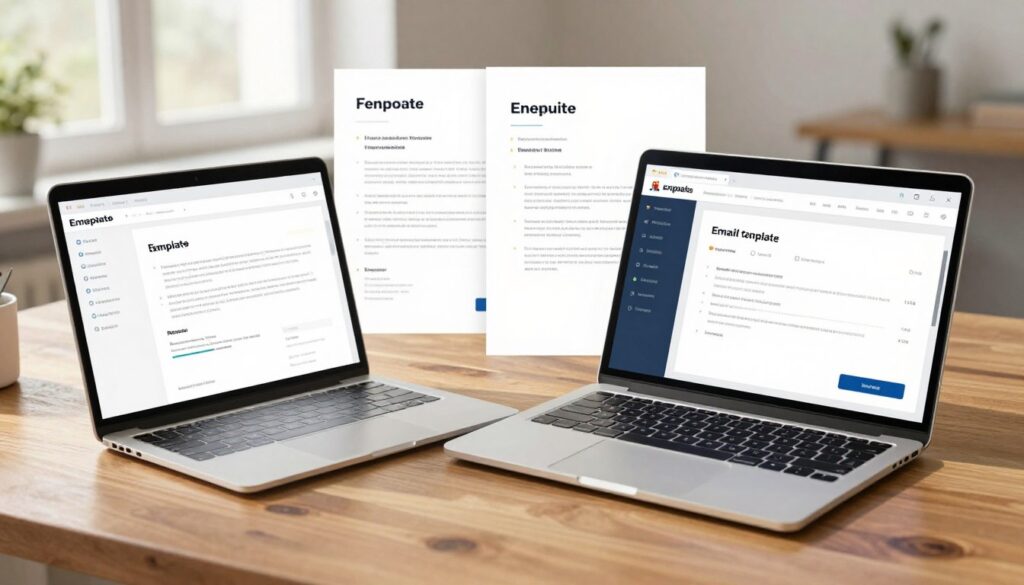
Formal templates and quick examples
Keep a formal greeting, one short paragraph for context, and a clear CTA. Swap the recipient name, position, and company to adapt tone.
Reminder, recap, and confirmation samples
Reminders list date, time, and place first. Recaps summarize decisions and owners. Confirmations repeat date and time and provide a single reply option.
- Introduction: short salutation, one-sentence why, one ask, signature.
- Follow-up: brief recap, outstanding items, next step and deadline.
- Thank-you note: specific thanks, what mattered, next contact line.
Use FlowScholar as an Education AI Tool to draft variations and polish language, then refine manually. For ready templates aimed at managers, see this set of email templates for managers. For outreach best practices and link examples, consult this guide on effective outreach.
| Use case | Subject pattern | Core elements |
|---|---|---|
| Meeting | Meeting — [Group] — [Date] | Date, time, agenda, RSVP |
| Confirmation | Confirm — [Name] — [Date/Time] | Repeat date, time, contact, entry details |
| Thank-you | Thanks — [Name] — [Event] | Appreciation, highlight, next step |
Conclusion
A steady tone and simple structure turn routine outreach into reliable leadership.
Keep the steps clear: define the purpose, craft a specific subject, open with a respectful greeting, format for quick scanning, and end with one actionable point. Repeat this section’s pattern to make writing repeatable across the organization.
Details and correct distribution matter when the content involves sensitive matter; sending email to the right list protects trust. Professional outreach also helps with company contacts and job‑adjacent networking that can enrich club life or job prospects.
Try FlowScholar: use the tool to draft, tighten tone, and standardize templates. Let it help you save time and look forward to clearer replies.
FAQ
What distinguishes a professional message for clubs and teams?
A professional message is clear, concise, and relevant. It states the purpose up front, includes essential details — date, time, location, agenda — and ends with a clear call to action and contact information. Tone matches the audience: more formal for external partners, more relaxed for internal teams.
When should a formal email be used instead of an informal message?
Use a formal email when addressing external partners, sponsors, university staff, or when the matter affects policy, finances, or legal obligations. Choose informal messages for quick internal updates, casual meetups, or social reminders among members who know each other well.
Why do clarity and brevity matter in a crowded inbox?
Recipients scan messages quickly. Clear subject lines and short paragraphs help them find relevance fast. Brevity reduces confusion, increases response rates, and ensures action items aren’t missed. Use bullets for key points and bold only the most critical details.
How do you choose the right tone and language for an organization?
Match tone to the club’s brand and audience. Student clubs often use an approachable tone; professional associations use formal language. Prioritize respectful, inclusive wording and avoid jargon unless the whole audience understands it.
What makes an effective subject line for meetings and events?
An effective subject line is specific and time-sensitive: include the event type, date, and a benefit or action. Example: “Team Meeting — March 3, 7 PM: Finalize Conference Booth.” This improves open rates and reduces follow-up questions.
How should salutations and greeting lines be written?
Address recipients by name and use titles when appropriate: “Dear Dr. Patel,” or “Hi Maria,”. For group messages, “Hello Club Members,” or “Team,” is acceptable. Personalization increases engagement and shows respect for recipients’ roles.
What body formatting works best for readability?
Use short paragraphs, headings, and bullet points. Lead with the key point, then provide supporting details. Keep sentences concise and limit each paragraph to one idea to maintain a Flesch-friendly, scannable layout.
How do you stay focused on one key point with a clear call to action?
Center the message on the desired outcome: RSVP, confirm attendance, submit materials. State the action in one sentence, provide deadline and method, then offer brief context. Repeat the CTA at the close for emphasis.
What should closing lines include to sound confident and polite?
Use a respectful sign-off like “Best regards” or “Sincerely,” followed by a brief sentence that expresses appreciation or next steps: “Thank you for your timely response — we look forward to seeing you.”
Which signature elements are essential?
Include full name, position, organization or club, and at least one contact method (email or phone). Optionally add links to the club website or calendar and a preferred response window for clarity.
How do you clarify purpose before writing?
Ask: What decision or action do I need? Who must respond? What is the deadline? Draft a single-sentence purpose and build the message around it. This prevents mixed messages and improves follow-through.
What must-have details should every event message include?
Always include date, start and end times, exact location or link, agenda highlights, RSVP deadline, and any materials or attire requirements. Omitting one of these increases confusion and follow-up traffic.
How are expectations set for agenda, items to bring, dress code, or RSVP?
State expectations plainly and early in the message. Use a short list for items to bring, and provide a clear RSVP mechanism and deadline. Explain consequences of non-response if relevant (e.g., limited seating).
What makes it easy for recipients to respond?
Provide one clear method for reply: a reply-to address, an RSVP link, or a contact person with phone hours. Include calendar attachments (ICS) and meeting links to reduce friction and boost confirmations.
How should messages end with “look forward” language?
Use a brief, specific line that signals anticipation and next steps: “We look forward to your RSVP by April 10.” Avoid vague closings; tie the sentiment to the action you want.
What should meeting announcements include beyond time and place?
Add an agenda, objectives, prework or materials, and expected outcomes. List next steps and who will lead agenda items to set clear ownership and streamline preparation.
How do event invitations state who is welcome?
Be explicit: “Open to all members,” “Members and plus-ones only,” or “Open to alumni.” Clarify any guest policies and eligibility to avoid gatekeeping or surprises at the door.
What details are required for ticketed events?
Include price, sales dates, purchase link, refund policy, and any capacity limits. State when tickets will be held at will-call and what ID or confirmation is required for entry.
How should recruitment messages grow membership without sounding pushy?
Lead with benefits and recent accomplishments, explain time commitment clearly, and invite low-commitment next steps such as attending one meeting. Use inclusive language and provide a simple contact or sign-up link.
How are member-only updates and sensitive matters handled?
Use targeted distribution lists, secure platforms, and subject lines that indicate confidentiality when needed. Limit recipients to those with a need to know and use direct contact for sensitive conversations.
What’s the best practice for reminders, follow-ups, and confirmations?
Send a reminder 48–72 hours before an event and a short confirmation immediately after an RSVP. Keep follow-ups focused: state the action taken, next steps, and any changes to logistics.
Where can users find templates for subject lines and emails?
Provide a repository on the club website or shared drive with subject line examples, formal email templates, reminder and recap formats, and confirmation and thank-you notes. Templates speed consistent, professional communication.
What subject line examples work for meetings, events, and follow-ups?
Use formats like “Board Meeting — April 5, 6 PM: Agenda Attached,” “RSVP: Spring Fundraiser — May 12,” and “Follow-Up: Notes and Action Items from March 20.” Be specific and include dates when relevant.
What should formal introductions and networking emails include?
State connection and purpose in the first sentence, include a brief credential or mutual contact, and propose a clear next step: a 15-minute call or meeting time options. Keep the ask reasonable and time-bound.
How are reminder and recap emails structured after a meeting?
Start with appreciation, summarize decisions and action items with owners and deadlines, attach notes, and confirm the next meeting date. Bulleted lists improve clarity and accountability.
What belongs in a confirmation message with date and time details?
Restate the event name, date, start and end times, location or link, check-in instructions, and contact for last-minute issues. Include a calendar attachment to reduce missed attendances.
How can thank-you notes strengthen club relationships?
Send timely, specific thank-you notes that reference the recipient’s contribution and next steps. Personalization — noting a detail from the interaction — increases goodwill and fosters ongoing engagement.