“We are what we repeatedly do. Excellence, then, is not an act, but a habit.” – Aristotle. This timeless wisdom resonates deeply with the daily rhythm of home education. For the 4.2 million families in the U.S. navigating this path, excellence hinges on consistent, clear documentation of a child’s academic journey.
Yet, that very documentation can become a source of stress. Worksheets, lesson plans, and assessments often create overwhelming physical clutter. This chaos can obscure learning patterns and make legal compliance feel murky.
This guide moves beyond the administrative chore. It reframes record-keeping as a strategic advantage. We explore practical, streamlined systems that replace paper piles with clarity. Families will discover digital tools and hybrid approaches that transform tracking from a burden into a powerful insight engine.
These modern methods, including innovative education AI solutions, offer more than organization. They unlock a deeper understanding of a child’s development and the effectiveness of their educational experience.
Key Takeaways
- Home education documentation is critical for 4.2 million U.S. students but often leads to paper clutter.
- Effective record-keeping is a strategic tool, not just an administrative task.
- Digital and hybrid systems can provide clarity and reduce stress for families.
- Modern tracking methods offer deeper insights into learning patterns and child development.
- Innovative tools, including AI, can transform how progress is monitored and understood.
- A well-organized system helps ensure compliance with legal educational requirements.
- The goal is to replace physical piles with actionable, insightful data.
Introduction
Documenting a child’s academic path is far more than an administrative duty; it’s the strategic backbone of effective learning. This systematic process captures the full story of education, from daily lessons to major milestones.
Overview of Homeschool Record Keeping
At its core, homeschool record-keeping is the organized documentation of a student’s journey. It goes beyond test scores to include work samples, attendance, and curriculum details. This creates a clear trail of progress over time.
These records serve several vital purposes. They ensure compliance with state laws, aid in future educational planning, and build a meaningful portfolio of a child’s intellectual growth.
Why a Streamlined System Matters
Traditional paper-based methods, while familiar, often become unmanageable. Important documents can get lost in the shuffle. The physical burden of storing years of materials adds up quickly.
A modern, efficient system saves a considerable amount of time. It prevents the stressful end-of-year scramble to compile everything. This allows parents to focus energy on teaching, not paperwork.
The right approach provides actionable information. It helps parents make informed decisions about pacing and curriculum. A well-designed method, like the one discussed in this resource on homeschool record-keeping, captures essential data without becoming a burden. The goal is a sustainable way to manage educational documentation.
Understanding the Value of Organized Homeschool Records
The true power of systematic documentation lies in its dual capacity to meet legal obligations while enhancing learning outcomes. This approach transforms record-keeping from bureaucratic necessity to strategic advantage.
Legal and Educational Benefits
State requirements for home education vary significantly across the United States. Some jurisdictions mandate attendance logs, portfolio reviews, or standardized testing. Organized records provide essential protection against compliance issues.
Beyond legal security, these systems reveal valuable learning patterns. They help identify when a child has mastered concepts or needs additional support. This data-driven approach informs more effective teaching strategies.
Personal Growth and Reflection
Comprehensive documentation captures the full richness of educational experiences. Field trips, hands-on projects, and real-world activities demonstrate learning in ways tests cannot measure.
Looking back through organized records allows both parents and kids to recognize achievements. This builds confidence by showing tangible evidence of progress over time. The portfolio becomes a celebration of educational growth.
For committed family units, these systems transform from obligation into valuable tools. They enhance educational quality while providing meaningful documentation of each child‘s unique journey.
How to Track Homeschool Progress Without Paper Piles
Digital solutions provide families with unprecedented flexibility in documenting educational journeys. These modern approaches eliminate physical clutter while offering superior organizational capabilities.
Digital Systems and Their Advantages
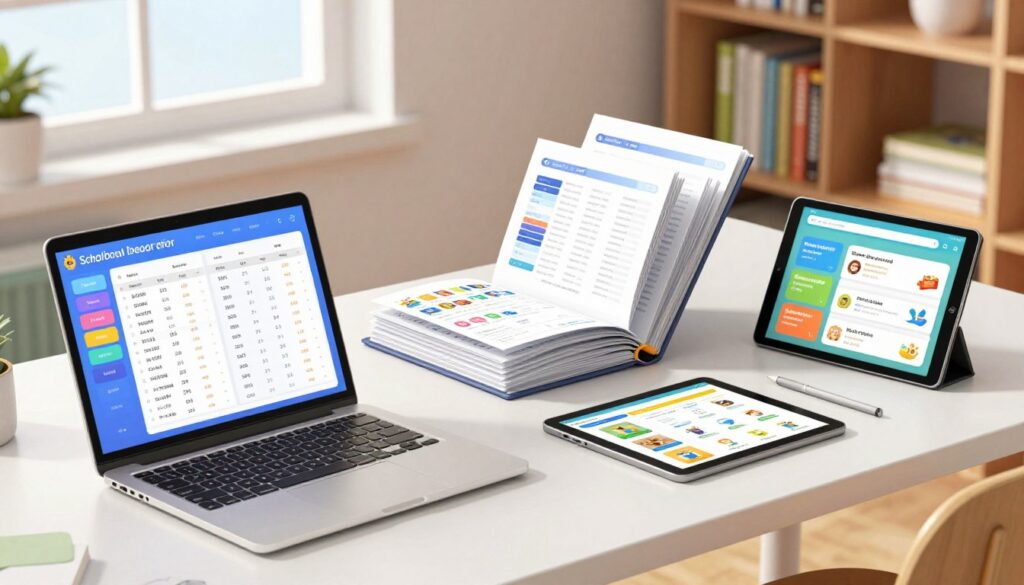
Cloud-based platforms transform administrative tasks into streamlined processes. Spreadsheets efficiently manage attendance, grades, and curriculum details.
Photographing completed assignments creates searchable digital archives. This method preserves evidence of learning while reducing physical storage needs.
Embracing a Hybrid Approach
Some families prefer combining digital efficiency with tangible elements. Special projects and artwork might warrant physical preservation alongside digital backups.
Maintaining synchronized organizational structures prevents confusion between formats. This balanced method captures the best of both documentation worlds.
Families can establish sustainable rhythms for effective progress monitoring. Regular reviews ensure systems remain current and clutter-free.
Step-by-Step Guide for Effective Academic Monitoring
Successful academic monitoring transforms routine documentation into a strategic asset for home education. A well-designed system captures growth while minimizing administrative burdens.
Families benefit from establishing clear protocols before the school year begins. This proactive approach ensures consistency from day one.
Setting Up Consistent Record Systems
Begin each academic year by creating a foundational structure. Digital folders, spreadsheet templates, or organized binders provide a ready framework.
Essential records every family should maintain include:
- Attendance logs tracking 180+ instructional days
- Grades and assessments organized by subject
- Curriculum summaries with weekly topic overviews
- Representative work samples showing growth
- Monthly progress notes and learning goals
Simple methods satisfy state requirements effectively. Printable calendars or digital apps mark each instructional day accurately.
Strategies for Maintaining Up-to-Date Logs
Sustainable routines prevent overwhelming backlogs. Mark attendance each morning and update grade logs weekly.
Capture student work systematically. Select 2-3 samples monthly per subject, photographing them immediately with dates.
Establish a monthly “record-keeping day” for comprehensive updates. This 30-60 minute session reviews systems and ensures digital backups.
Track learning goals by setting 3-5 objectives per subject each term. Document progress during monthly check-ins and celebrate achievements.
Modern tools, including GPT-powered educational platforms, can streamline this process further. They transform monitoring from chore to insight engine.
Integrating Technology: Leveraging an Education AI Tool
The evolution of home education documentation has reached a pivotal moment with artificial intelligence. These platforms represent a significant leap beyond basic digital tools.
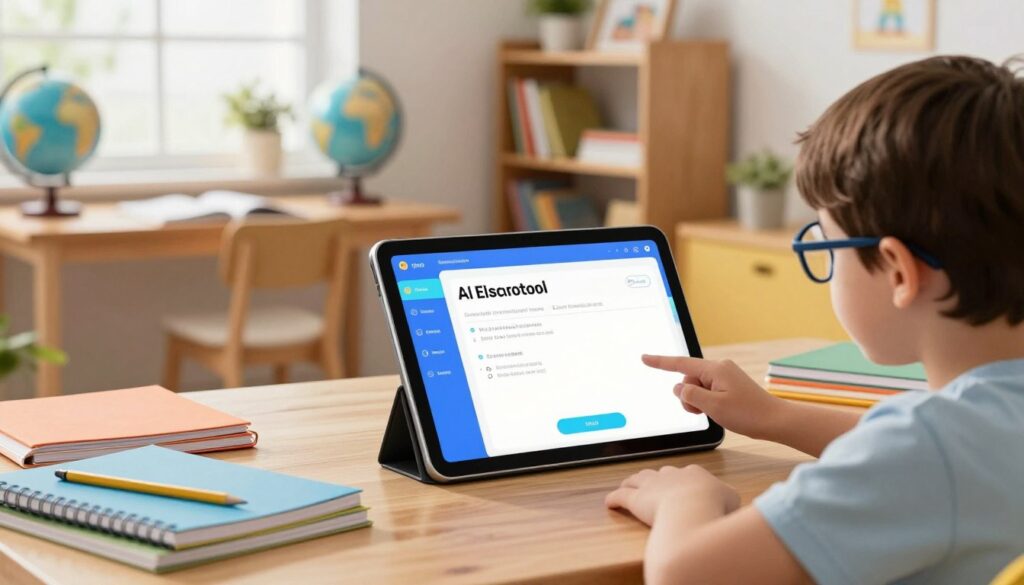
Comprehensive solutions like Flowscholar address core challenges families face. They transform administrative tasks into strategic advantages.
Benefits of Using Flowscholar in Homeschooling
This education AI tool automates tedious documentation. It tracks child progress across every subject automatically.
The system identifies learning patterns that manual methods might miss. It provides real-time insights into a child‘s development.
Parents save considerable time with automated report generation. The platform creates compliant attendance logs and grade summaries effortlessly.
Tips for Seamless Digital Organization
Establish a consistent routine for logging completed lessons. Upload photos of projects immediately after completion.
Use the platform’s tagging features to organize materials by subject and date. This creates a searchable digital file system.
Review the automated progress dashboards weekly. This record keeping approach provides valuable information for educational planning.
For example, Flowscholar’s intelligent system helps families maintain organized homeschool documentation with minimal effort.
Avoiding Common Pitfalls in Homeschool Record Keeping
Effective record keeping often fails not from lack of effort but from avoidable organizational missteps. Families can sidestep these traps with strategic awareness.
Understanding common errors helps create sustainable documentation practices. This prevents frustration and ensures comprehensive educational tracking.
Overcomplicating Your System
Many homeschool parents create elaborate tracking schemes that become unsustainable. Multiple apps and excessive categories lead to abandoned record keeping.
The solution lies in simplicity. Systems should require minimal daily time while capturing essential information.
Skipping Routine Updates
Small delays in documentation create overwhelming backlogs. A few weeks of unrecorded attendance or unlabeled work samples cause confusion.
Micro-habits solve this challenge. Dedicating 5-10 minutes each day prevents accumulation and maintains current records.
Families should also avoid single-point storage risks. Digital backups protect against data loss from device failure or damaged papers.
Comprehensive documentation includes non-academic growth. Nature studies, art projects, and volunteer activities demonstrate education beyond worksheets and math problems. This holistic approach creates meaningful homeschool record-keeping that serves future needs.
Conclusion
Embracing modern record-keeping methods transforms what was once a source of stress into a powerful educational tool. Families can now document their child’s progress throughout the school year without accumulating paper piles.
Effective systems serve multiple essential purposes. They satisfy legal requirements while creating meaningful homeschool portfolios that capture each student’s growth. The right approach becomes an integral part of educational success.
Sustainability matters more than perfection. Whether digital, hybrid, or AI-powered, the best system is one that families will use consistently. This practical mindset ensures long-term success in homeschooling.
Ready to transform your approach? Explore Flowscholar for comprehensive solutions that make tracking effortless. Families gain more time for teaching and clearer insights into their child’s development.
Implementing these strategies brings confidence and organization to your educational journey. The end result is a streamlined system that supports learning without administrative burden.
FAQ
What are the most important homeschool records to keep?
The essential records typically include a daily log of attendance, a portfolio of the student’s work, lesson plans, and documentation of completed curriculum. Specific state requirements may also mandate annual assessments or immunization records. Keeping these core documents organized is fundamental for legal compliance and tracking academic growth.
How can I create a homeschool portfolio without accumulating stacks of paper?
A digital portfolio is an excellent solution. You can take photos of projects, scan worksheets and art, and save writing samples as PDFs. Organize these files by subject and date in cloud storage like Google Drive. For a hybrid approach, keep a small binder with a few key physical samples and use a digital system for the bulk of the records.
Is it necessary to track homeschool progress every single day?
While daily tracking is ideal for maintaining accurate attendance logs, detailed academic progress can be updated weekly. The key is consistency. Setting aside a brief time each Friday to log completed activities, book chapters, and projects prevents backlog and ensures your records are always up-to-date for state reviews or personal reflection.
Can technology like Flowscholar really simplify homeschool planning?
Yes, education AI tools like Flowscholar are designed to streamline administrative tasks. They can help generate lesson plans, track milestones, and organize digital records in one central place. This reduces time spent on manual record keeping, allowing families to focus more on teaching and learning activities.
What is a common mistake new homeschooling families make with record keeping?
A frequent pitfall is overcomplicating the system from the start. Beginning with an elaborate, multi-step process can lead to burnout. It’s more effective to start with a simple method—like a basic planner and a single file box—and gradually refine it as you discover what information is most valuable for your family’s needs.
How do I know if my homeschool records meet my state’s legal requirements?
A> Always refer directly to your state’s department of education website for the most current homeschooling laws. Requirements vary significantly; some states require detailed portfolios and annual assessments, while others need only a simple attendance record. Understanding your specific state requirements from the beginning is crucial for compliant and stress-free record keeping.