As educator John Dewey once noted, “Education is not preparation for life; education is life itself.” This profound insight captures the essence of a successful learning journey—one that flows naturally with the rhythms of daily life, rather than fighting against them.
Many families navigating education at home encounter a common tension. They strive for consistency in their children’s learning while also accommodating the unpredictable nature of each day. Rigid timetables often create unnecessary pressure. When appointments, illness, or simple spontaneity disrupts the plan, families can feel they are perpetually behind.
This is where an innovative organizational method offers a strategic solution. It transforms planning from a source of anxiety into a framework for adaptability. By organizing subjects into a rotating list, families simply continue from where they left off. This approach eliminates the concept of “falling behind.”
The method isn’t about doing more or less. It’s about restructuring the sequence of educational activities. This reduces stress and increases flexibility, allowing families to balance structure with spontaneity. It provides a forgiving system that honors the real-life context of learning.
Key Takeaways
- Rigid daily timetables can create stress when life interrupts the plan.
- A loop system organizes subjects into a rotating list instead of fixed days.
- This method removes the pressure of “falling behind” on a specific daily checklist.
- It offers a flexible framework that adapts to the unpredictable nature of family life.
- The focus shifts from checking off days to maintaining steady progress over time.
- This approach helps balance educational structure with necessary spontaneity.
Understanding the Concept of Loop Scheduling
The search for a more adaptable approach to organizing learning activities led homeschooling communities to develop an innovative rotational system. This method addresses the common frustration of rigid timetables that crumble when life intervenes.
Defining Loop Scheduling and Its Origins
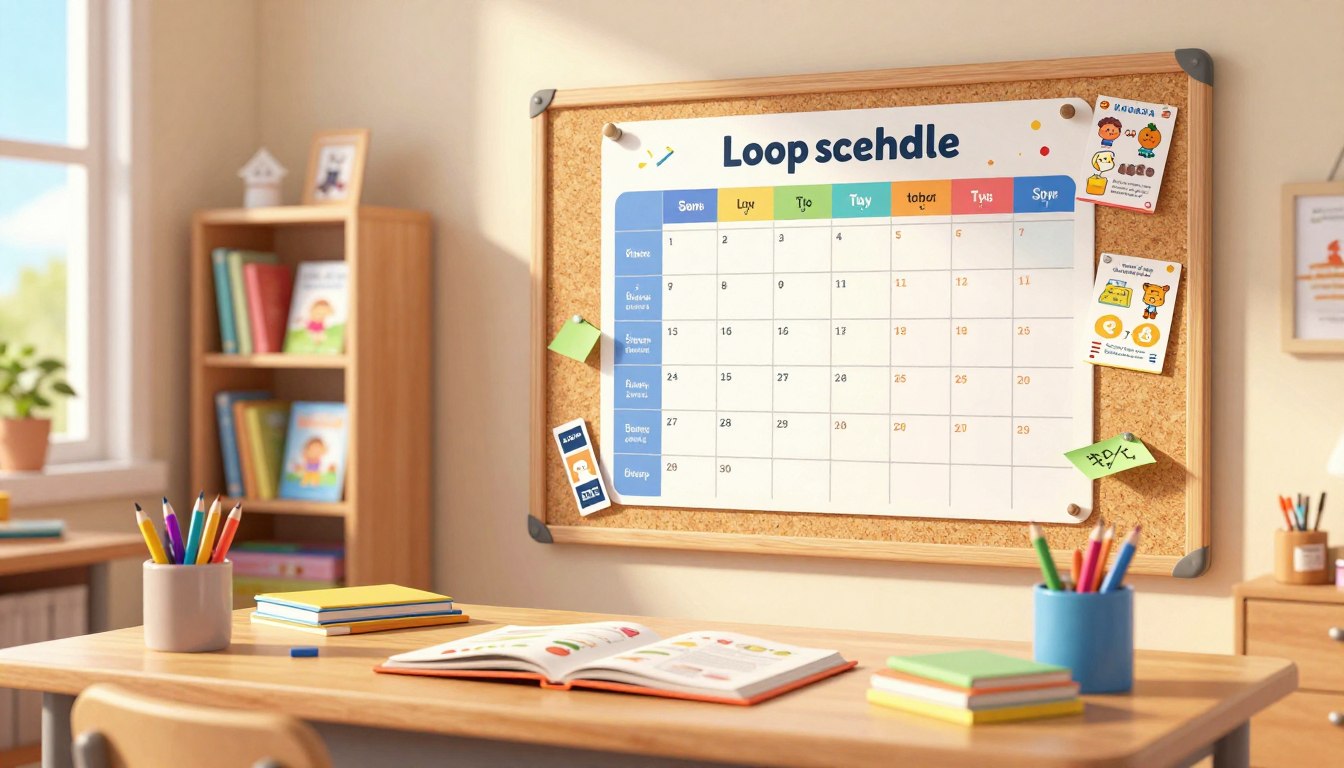
Loop scheduling emerged as parents recognized that day-specific assignments created pressure when plans changed. The core principle involves creating a predetermined sequence of subjects. Families work through this list in order, regardless of calendar dates.
When learning time begins, you simply continue from where you left off. If you complete history and start geography on Monday, you pick up with geography on Tuesday. This continuous cycle ensures all subjects receive attention over time.
Key Differences Between Loop and Block Scheduling
Block scheduling concentrates on fewer subjects during extended periods. A family might dedicate an entire semester to science, then switch to history. This approach enables deep, immersive learning but reduces subject variety.
In contrast, loop scheduling rotates through all subjects continuously. The system maintains consistent exposure to diverse content areas. It prevents the stress of missing assigned-day subjects while ensuring comprehensive coverage.
Each method serves different needs. Block scheduling optimizes for depth, while loop scheduling prioritizes flexibility and variety in the learning journey.
The Homeschool “Loop Schedule” Explained (And How to Use It): Key Benefits
Implementing a cyclical approach to subject organization yields significant improvements in daily learning experiences. This method transforms potential stressors into manageable components of family life.
Reducing Stress and Increasing Flexibility
Families find immediate relief from the pressure of rigid timetables. The rotational system eliminates the concept of “falling behind” on specific daily assignments.
When unexpected events disrupt planned activities, parents simply resume the sequence later. This flexibility accommodates appointments, illnesses, or spontaneous opportunities without guilt. Multiple children with different needs benefit from this adaptable framework.
Ensuring Comprehensive Subject Coverage Over Time
The continuous rotation guarantees all learning areas receive attention. Even when daily completion varies, the cyclical nature ensures balanced progress.
Subjects that often get postponed in traditional plans—like arts or science experiments—maintain their place in the sequence. This prevents educational gaps while supporting diverse learning styles. Children experience variety without sacrificing routine predictability.
| Benefit Area | Traditional Scheduling | Loop System | Impact on Family Life |
|---|---|---|---|
| Daily Pressure | High stress from missed assignments | Low stress with continuous flow | More relaxed learning environment |
| Subject Coverage | Risk of neglected areas | Guaranteed comprehensive rotation | Well-rounded education maintained |
| Adaptability | Rigid structure breaks easily | Flexible framework withstands changes | Sustainable long-term approach |
This method supports various family rhythms and learning needs effectively. It creates a forgiving system that honors real-life contexts while maintaining educational quality.
Planning and Implementing Your Loop Schedule
Creating a personalized loop schedule begins with a clear assessment of educational priorities. This process transforms a flexible concept into a dependable daily framework.

We can break down implementation into five manageable phases. This systematic approach builds a solid foundation for your family’s unique rhythm.
Step-by-Step Process to Set Up Your Loop
First, identify all core subjects and activities. This includes math, science, reading, and even free time. A comprehensive list forms the basis of your rotational system.
Next, prioritize these items. Some subjects, like math, may need more frequent attention. You can weight your list by including high-priority items multiple times.
Then, create the actual sequence. Order matters less than consistency. Some families group related subjects or alternate active and quiet times.
Allocate approximate time blocks for each activity. This serves as a guide, not a rigid rule. Flexibility remains key to the system’s success.
Finally, commit to adaptation. Your initial list is a starting point. Refinement through experience tailors the system perfectly.
Adjusting the Schedule for Different Age Groups and Learning Needs
This organizational method adapts beautifully across developmental stages. The core principle remains constant while content evolves.
A preschool loop might cycle through simple activities: story time, outdoor play, and art. An elementary list incorporates more structure with core subjects.
Older children benefit from loops that include independent study and project-based learning. This honors their growing autonomy.
Effective scheduling strategies always consider the individual child. The system’s flexibility supports diverse learning needs within one family.
| Age Group | Sample Loop Activities | Key Focus |
|---|---|---|
| Preschool | Story time, art, music, free play | Play-based exploration |
| Elementary | Math, language arts, science, art | Structured foundation |
| Middle/High School | Core subjects, electives, projects | Independent mastery |
This framework provides a confident starting point. Customization ensures the schedule meets your children’s specific needs each week.
Designing Engaging and Varied Homeschool Activities
Strategic subject integration transforms routine lessons into dynamic educational experiences. This approach maintains enthusiasm while ensuring comprehensive development across multiple domains.
Families can categorize learning activities into three main groups. Core academics include math, science, reading, and history. Creative arts encompass visual arts, music, and expression. Electives cover specialized interests like coding or nature study.
Integrating Core Subjects, Arts, and Electives
Effective schedules balance these categories through weighted rotation. Core subjects typically appear more frequently in the weekly cycle. This creates natural emphasis without rigid daily requirements.
Arts integration prevents creative subjects from being perpetually postponed. Regular exposure to aesthetic activities supports whole-child development and prevents academic burnout. Many families find arts activities reinvigorate their learning time.
Advanced practitioners use sub-loops for specialized content. One position in the main rotation might point to a secondary list. This secondary loop could cycle through drawing practice, composer study, and poetry appreciation.
Some skills benefit from consistent daily practice rather than rotation. Reading instruction and mathematics for younger children often work better with regular inclusion. Families can combine approaches strategically for optimal results.
Variety serves as a powerful engagement tool throughout the week. Rotating between discussion, experiments, and creative projects maintains enthusiasm. This approach accommodates different learning preferences within one family.
Utilizing Resources and Tools for Effective Scheduling
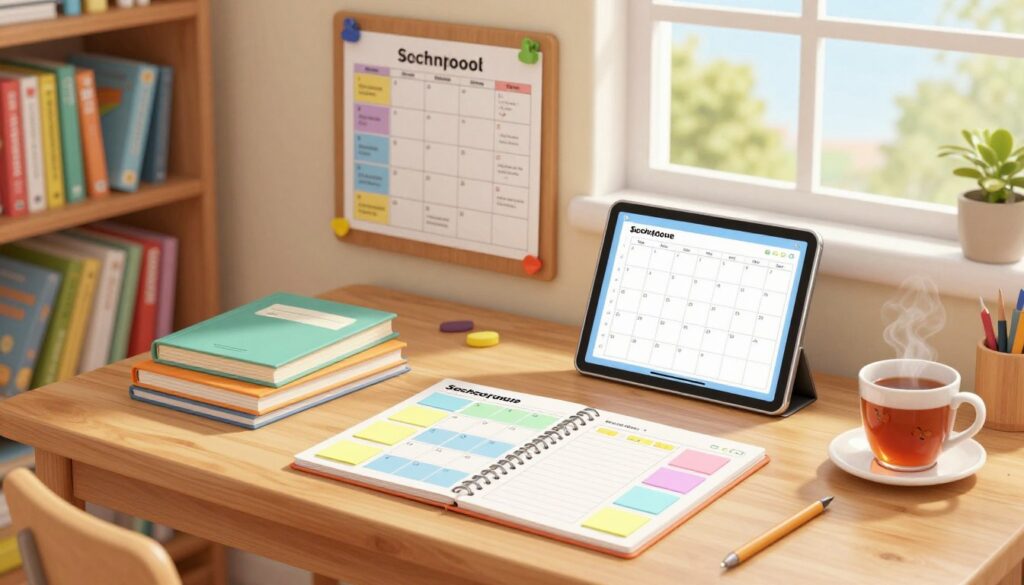
Implementing a successful loop system often benefits from the right support tools. Families can choose from simple paper lists to sophisticated digital platforms. Each option offers distinct advantages for managing the rotational approach.
Basic methods include handwritten lists where parents cross off completed items. This tangible approach works well for children who prefer physical tracking. Digital task managers provide easy modification capabilities for evolving needs.
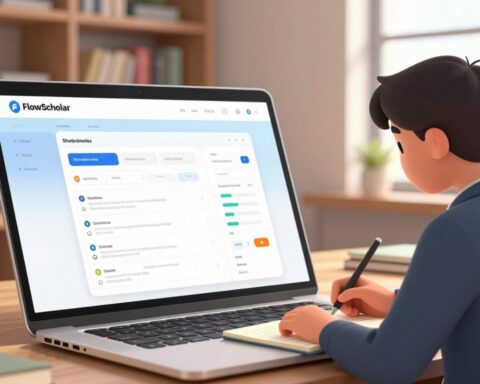
Leveraging the Education AI Tool at FlowScholar
For families seeking advanced optimization, AI-powered platforms like FlowScholar offer intelligent scheduling assistance. This tool analyzes learning patterns and progress data to suggest refinements.
The platform addresses common challenges in loop scheduling. It helps determine optimal subject sequences and balance frequency across topics. Artificial intelligence identifies when children need more or less time with specific subjects through pattern recognition.
FlowScholar proves particularly valuable for families managing multiple children. The AI creates coordinated yet individualized loops that honor each child’s learning requirements. Progress tracking features provide reassurance about comprehensive subject coverage over time.
This technology enhances rather than replaces parental judgment. It offers data-driven insights while keeping families in control of their educational direction. The tool complements the flexibility inherent in this organizational method.
Troubleshooting and Refining Your Homeschool Schedule
Even the most thoughtfully designed systems benefit from periodic evaluation and adjustment. Families discover that initial plans serve as starting points rather than final solutions. This evolutionary approach transforms challenges into valuable feedback.
Managing Missed Days and Adjusting Frequency
Handling interruptions becomes remarkably straightforward. When a day gets lost to appointments or illness, families simply pick up where they left off. Thursday begins with whatever was next on the list from Wednesday.
This creates a significant psychological shift. Instead of feeling behind in specific subjects, momentum continues forward. The system’s design makes missed days a non-issue requiring no reorganization.
Frequency adjustment requires regular evaluation. If certain subjects feel rushed while others drag, modify your approach. Add high-priority subjects multiple times in the rotation. Adjust time allocations based on actual experience.
Some families plan in six-week chunks. This reduces decision fatigue while maintaining flexibility. It provides enough structure to balance educational demands with other responsibilities.
Regular check-ins help identify what’s working. Ask which subjects generate engagement versus dread. Assess whether time allocations feel realistic. Consider if loop length needs adjustment.
When subjects consistently get postponed, it signals needed changes. This might indicate curriculum issues or misaligned priorities. View your schedule as a living document that evolves throughout the year.
Conclusion
The true power of rotational planning lies in its alignment with authentic family rhythms. This approach transforms pressure into progress, ensuring comprehensive coverage while honoring daily realities. Families discover sustainable education through adaptable frameworks.
Loop scheduling delivers consistent learning without rigid constraints. Kids benefit from varied lessons that match their evolving needs. The system works across different ages and educational philosophies, making it accessible to all homeschooling families.
Implementation becomes a journey of refinement rather than perfection. Regular adjustments ensure the schedule serves your unique situation. The goal remains joyful, stress-free education where curiosity thrives.
Ready to optimize your approach? Explore FlowScholar’s Education AI Tool at https://www.flowscholar.com for intelligent scheduling support. Transform your homeschooling experience with data-driven insights that complement your family’s natural rhythm.
FAQ
What exactly is a loop schedule in a homeschool setting?
A loop schedule is a flexible time management system where subjects or activities are organized in a list rather than assigned to specific days or times. Instead of doing math on Monday and reading on Tuesday, families work through their list in order, picking up where they left off the next day. This method ensures all planned topics get attention over time, adapting to the natural rhythm of family life.
How does loop scheduling differ from a traditional block schedule?
Traditional block scheduling assigns subjects to fixed time slots on specific days. If a day is missed, those lessons are often skipped. Loop scheduling is more fluid; the order of subjects rotates continuously. This approach prioritizes consistency in covering material over rigid daily timing, making it ideal for families with variable weekly routines.
Can a loop schedule work for families with multiple children of different ages?
Absolutely. This system is highly adaptable. Parents can create separate loops for each child based on their individual learning needs and grade levels. Alternatively, a master family loop can include group activities like science experiments or history read-alouds, combined with individual tasks. The key is tailoring the list to each child’s requirements while maintaining a cohesive flow.
What are the main advantages of using this type of system?
The primary benefits are reduced stress and increased flexibility. It eliminates the pressure of a rigid daily plan, allowing families to accommodate appointments, spontaneous learning opportunities, or off-days without falling behind. It also guarantees that over a week or month, all subjects—from core academics like math to arts and electives—receive balanced attention.
How do I start creating a loop schedule for my homeschool?
Begin by listing all the subjects and activities you want to cover in a week or cycle. Don’t worry about days or times. Order them logically, perhaps alternating intense focus subjects like math with lighter ones like art. Then, simply start at the top of the list each day. The next day, you begin with the next item on the list, creating a continuous, stress-free rotation.
What happens if we miss a day of school? How does the loop adjust?
This is where the loop method shines. If you miss a day, you don’t miss a subject. You just resume your schedule by continuing the list from where you last left off. There’s no need to “make up” a specific day’s work. The system naturally cycles through all activities, ensuring comprehensive coverage over time without the guilt of falling off a rigid plan.
Are there tools or resources that can help manage a loop schedule effectively?
Yes, several tools can help. A simple notebook or whiteboard works well for tracking your place in the loop. Digital tools like Trello or Notion can also be effective. For a more tailored approach, education-focused platforms like FlowScholar offer AI-powered tools that can help plan and adapt your looping activities based on your children’s progress and interests.