“The greatest gifts you can give your children are the roots of responsibility and the wings of independence.” – Denis Waitley. This powerful insight captures the delicate balance at the heart of modern parenting. The journey with a teenager is a transformative phase for the entire family.
Adolescence represents a critical period of development. Young people navigate a complex world of hormonal, emotional, and social changes. They are becoming adults, yet they still need guidance. This creates a unique challenge for parents who want the best for their child.
The instinct to protect can sometimes lead to over-involvement. While driven by love, excessive control can hinder a young person’s growth. It can stifle their confidence and prevent them from learning essential life skills. The goal is to foster a healthy relationship built on trust and mutual respect.
This guide offers a strategic approach. It provides actionable methods to empower your teens as they build their independence. We will explore practical steps to provide the right kind of support. This helps teens become capable and motivated individuals, ready for the things life brings.
Key Takeaways
- The teenage years are a critical developmental period requiring a balanced parenting approach.
- Excessive control, or micromanaging, can undermine a teenager’s confidence and skill development.
- Successful strategies honor both the parent’s concerns and the teen’s need for autonomy.
- There is no single “right” way; effective methods adapt to individual family dynamics.
- This guide provides constructive alternatives and recovery strategies for common challenges.
Understanding Teen Development and Autonomy
The journey from childhood to adulthood is marked by a complex interplay of neurological development and a deep-seated drive for personal identity. This period of rapid change explains many behaviors that parents might misinterpret.
What appears as laziness or defiance is often a direct result of the teenage brain’s ongoing construction. The prefrontal cortex, responsible for executive functioning like planning and sequential task management, is still maturing.
This neurological reality means young adults may genuinely struggle with organizing homework or managing their time. These challenges are a normal part of the process, not a character flaw.
Recognizing the Hormonal and Emotional Changes
Adolescence fundamentally reshapes a child‘s world. Hormonal shifts amplify emotions, and social pressures intensify. Teens are working to answer the essential question, “Who am I?”
This quest for identity is a necessary and healthy development. It requires space for teenagers to make decisions, solve problems, and learn from outcomes. Parents can feel this shift as a loss of influence.
Fostering Independence Through Age-Appropriate Choices
Effective parenting during this time involves calibrating expectations to a teen‘s actual developmental age, not just their chronological age. The goal is to provide a scaffold for growth, not a cage.
Parents empower their children by offering age-appropriate autonomy. Consider these criteria when granting responsibility:
- Safety: The choice must be within a safe boundary.
- Complexity: The task should match their current planning abilities.
- Consequence: The outcome should provide a natural learning opportunity.
This strategic approach allows young adults to build essential life skills. It transforms the parent’s role from a manager to a trusted consultant, guiding teens toward capable adulthood.
Identifying Overbearing Parenting Behaviors
Recognizing the subtle shift from supportive parenting to controlling behavior requires honest self-reflection and awareness. Many parents operate with genuine concern, yet their actions may inadvertently limit their teen‘s growth.
Examples of Micromanagement and Excessive Monitoring
Overbearing behaviors often manifest as excessive involvement in daily decisions. This includes constant checking of school assignments or dictating social plans without discussion.
Consider this comparison of common parenting approaches:
| Domain | Healthy Involvement | Overbearing Behavior |
|---|---|---|
| Academic Performance | Weekly check-ins about homework progress | Daily scrutiny of every assignment |
| Social Life | Knowing general friend groups | Demanding details of every conversation |
| Personal Space | Respecting closed doors with knock-first policy | Routine room searches without cause |

These patterns often stem from childhood habits that no longer serve adolescent needs. As research shows, what worked for younger children becomes counterproductive for teens seeking autonomy.
The Impact on Teen Self-Confidence and Growth
Excessive control communicates unintended messages about capability. Teens internalize the suggestion that they cannot handle basic responsibilities.
This dynamic creates a destructive cycle. More parental intervention leads to increased resistance. The relationship suffers as trust erodes on both sides.
Finding the right balance is crucial. Modern tools like AI guidance systems can help parents navigate this complex situation without excessive control.
Strategies for How to Support Your Teen Without Micromanaging
Transitioning from manager to consultant represents a fundamental shift in parenting philosophy. This approach provides essential support without taking over the actual work. Parents become strategic advisors rather than daily supervisors.
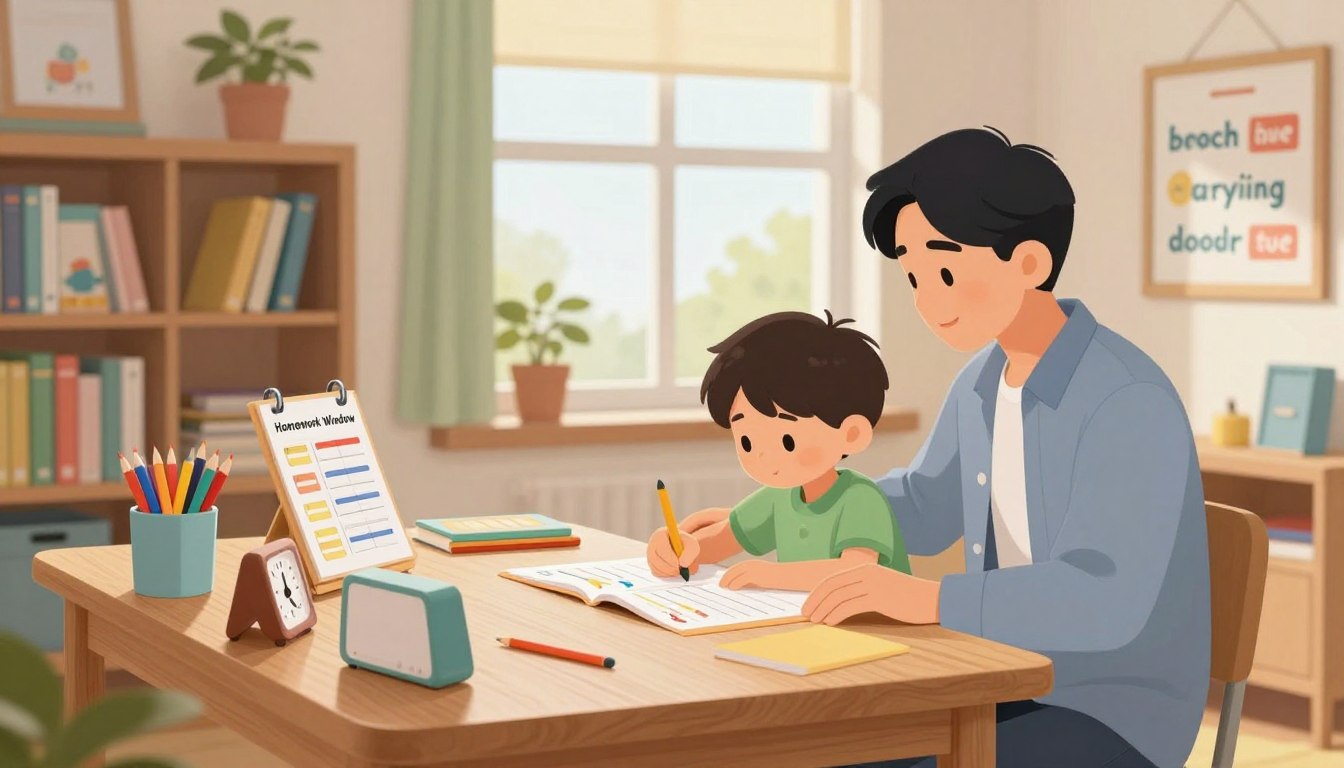
The consultant model focuses on creating effective structures. For school work, this means helping establish productive environments and organizational systems. Parents provide tools and guidance while teens handle execution.
Balancing Guidance with Freedom
Open communication channels are crucial. Teens need to feel safe discussing challenges without fear of parental takeover. This creates space for honest dialogue about responsibility and consequences.
Effective ways to help teens include offering choices within safe boundaries. Low-stakes decisions allow teenagers to develop judgment skills. These experiences build confidence for more important things later.
Respecting privacy needs demonstrates trust. Giving space doesn’t mean complete withdrawal. It means allowing teens time to develop problem-solving capabilities independently.
The best tips involve calibrating involvement based on individual needs. Some teens require more structure while others thrive with minimal oversight. Parents should observe and adjust their support accordingly.
Encouraging Open Communication and Mutual Respect
Trust serves as the bedrock of any meaningful parent-teen connection. When young people feel heard and understood, they become more willing to share their struggles. This foundation makes all other parenting strategies more effective.
Active Listening and Validation Techniques
True listening means focusing on understanding rather than responding. Parents can practice reflecting back what they hear. “It sounds like you felt frustrated when that happened,” demonstrates genuine engagement.
Validation differs from agreement. Acknowledging a teen‘s emotion as real does not mean endorsing their choices. This approach keeps dialogue open even during disagreement.
| Communication Approach | Teen Response | Relationship Impact |
|---|---|---|
| Immediate problem-solving | Defensiveness and withdrawal | Erodes trust over time |
| Active listening with validation | Increased sharing and seeking guidance | Strengthens mutual respect |
| Lecturing or interrogating | Silence and secret-keeping | Creates emotional distance in the family |
Creating a Safe Space for Honest Conversation
Effective communication requires intentional environments. Choose calm moments rather than stressful ones. Avoid making every conversation about problems.
When teens feel safe, they’re more likely to discuss important things. Parents who manage their own emotions create space for honest dialogue. This consistency builds the trust that defines healthy relationships.
Creating Effective Routines and Maintaining Balance
A predictable daily rhythm provides the scaffolding adolescents need to thrive. This structure differs from micromanagement—it creates a framework for success while leaving room for personal choice. Effective habits reduce decision fatigue and help teens feel grounded.

Daily Habits That Support Independence
Strategic routines build essential life skills. A consistent sleep schedule, for example, directly improves concentration and mood for school.
Designated homework time fosters academic confidence. Regular mealtimes ensure proper energy levels. Even short bursts of physical activity can boost mental clarity.
The most effective way to implement these changes is collaboratively. When a teenager helps design their schedule, they take ownership. This process turns rules into personal commitments.
Adjusting Schedules to Prevent Conflict
Rigid systems often trigger resistance. The goal is flexibility. Start with one or two small changes, like setting a screen-free time before bed.
When a schedule causes friction, use it as a problem-solving opportunity. Ask the teen what part isn’t working. This teaches them to evaluate and adjust their own habits.
This collaborative kind of planning is a powerful thing. It empowers young people while maintaining the supportive structure every family needs.
Utilizing External Guidance and AI Education Tools
Sometimes the most effective guidance comes from resources outside the immediate family circle. Professional coaches and educational technology offer unique advantages that parents cannot always provide.
Integrating Resources Like FlowScholar for Enhanced Learning
Tools like FlowScholar represent the next generation of educational support. This AI-powered platform adapts to individual student needs, building essential academic skills and confidence.
The technology provides personalized guidance for school work without the emotional complexity of parent-teen interactions. It complements family efforts while respecting adolescent independence.
Benefits of Expert Advice and Coaching for Teens
Professional coaching creates a neutral space where teens can explore challenges safely. These experts connect with young people in constructive ways that build motivation.
This approach helps teens develop life skills while reducing pressure on the family dynamic. External support systems, like the collaborative methods discussed in Socracircle approaches, demonstrate how external guidance can enhance development.
| Resource Type | Primary Benefits | Ideal For |
|---|---|---|
| Professional Coaching | Personalized feedback, accountability, motivation strategies | Teens needing structured goal-setting |
| AI Education Tools | 24/7 accessibility, adaptive learning, skill building | Academic skill development and homework support |
| Combined Approach | Comprehensive support addressing both emotional and academic needs | Teens facing multiple challenges simultaneously |
These resources work alongside parental efforts, creating a comprehensive support system. They help young adults build confidence while maintaining healthy family relationships.
Empowering Teen Autonomy Without Losing Control
Collaborative planning transforms the parent-teen dynamic from a power struggle into a partnership for growth. This approach allows young people to develop essential life skills while maintaining appropriate parental oversight.
Building Essential Life Skills Through Collaborative Planning
When teens participate in creating their routines, they develop ownership and accountability. Let them decide how to structure study times or organize their mornings. These choices build crucial problem-solving skills.
The “three rules of play” framework provides clear boundaries without micromanaging details: Stay Safe, Show Respect, Keep in Touch. This simple structure addresses parents’ legitimate concerns while granting meaningful autonomy.
Regular check-ins create opportunities for adjustment without judgment. When something doesn’t work, review it together. This kind of collaborative problem-solving builds independence over time. It’s about helping teens test what works and make necessary changes.
This gradual transfer of responsibility prepares young adults for future challenges. As noted in resources on guiding complex teens, the goal is developing internal guidance systems that serve them when parental oversight diminishes.
Conclusion
The ultimate goal of raising teens is preparing them for independent adulthood. This process requires continuous adjustment as both young people and family circumstances evolve.
Perfection isn’t the objective. Focus on consistent effort and willingness to adapt strategies. Start with one small area for improvement and build from there.
Mistakes are inevitable—and valuable. Modeling accountability teaches essential life skills. This investment in balanced approaches pays dividends in teen confidence and long-term relationship quality.
For academic support that complements this approach, explore FlowScholar. The platform helps teenagers build school skills while respecting their growing autonomy.
FAQ
What are the signs that I might be micromanaging my teenager?
Common signs include constantly checking their homework, dictating their daily schedule, and making decisions for them without input. This behavior often stems from concern but can hinder a teen’s development of responsibility and problem-solving skills.
How can I encourage my teen’s independence while still providing support?
Focus on acting as a coach rather than a manager. Offer guidance when asked and create opportunities for them to make age-appropriate choices. This approach helps teens feel trusted and builds essential life skills for young adults.
What role does communication play in supporting a teen without being overbearing?
Open, honest communication is the foundation. Practice active listening and validate their feelings to create a safe space. This builds mutual respect and encourages teens to seek guidance, reducing the need for parental control.
How can technology, like AI education tools, help in this process?
Resources like FlowScholar can provide personalized academic support, allowing teens to take charge of their learning. This reduces parental pressure around schoolwork and empowers the teenager to develop self-management habits.
What are some daily habits that promote a teen’s autonomy?
Establishing consistent routines for sleep, homework, and family time provides structure. Within that framework, allow flexibility for them to manage their own schedule. This teaches time management and reinforces a balanced life.
How do I handle situations when my teen makes a mistake?
View mistakes as part of the learning process. Instead of taking over, discuss what happened and guide them toward a solution. This builds resilience and critical thinking, turning a challenging situation into a growth opportunity.