“The good teacher makes the poor student good and the good student superior.” This insight from educator Marva Collins captures a core mission: guiding every learner to their potential. Achieving this requires a clear view of each student’s journey.
Educators face a significant challenge. They must monitor curriculum benchmarks across an entire semester. This involves diverse classrooms, varied abilities, and limited time. Traditional methods often fall short, creating gaps in understanding.
Modern solutions now transform this process. Digital tools offer real-time insights into student mastery. Platforms like Flowschior’s Education AI Tool provide comprehensive tracking capabilities. They empower teachers with data to personalize instruction.
This article serves as a strategic guide. It explores proven methodologies for monitoring learning objectives. The focus is on creating systems that are both robust and adaptable. Effective tracking directly fuels student success by enabling timely support.
Key Takeaways
- Systematic tracking of curriculum benchmarks is fundamental to effective teaching.
- Educators often struggle with time constraints and student diversity when monitoring progress.
- Technology has evolved from paper-based logs to sophisticated digital platforms.
- Modern AI tools provide real-time data for personalized student interventions.
- This guide offers adaptable frameworks for building a robust tracking system.
- Effective monitoring directly correlates with improved learning outcomes.
Understanding the Importance of Tracking Standards Coverage
The evolution of teaching methodologies now demands sophisticated approaches to documenting student progress against established benchmarks. Contemporary education requires more than simply covering material; it necessitates clear evidence of mastery.
Defining Standards Coverage in Today’s Classroom
Standards coverage represents the systematic monitoring of curriculum benchmarks throughout an instructional period. It distinguishes between superficial exposure and genuine proficiency demonstrated through multiple assessments.
Modern classrooms juggle diverse frameworks—state standards, Common Core, and institution-specific competencies. Instructors need tracking systems that capture what learners actually comprehend, not just what was taught.
| Traditional Approach | Modern Solution |
|---|---|
| Paper-based checklists | Digital tracking platforms |
| End-of-semester reviews | Real-time progress monitoring |
| Content coverage focus | Competency demonstration emphasis |
| Teacher-centered documentation | Student-engaged progress visualization |
The Impact on Student Learning and Success
Transparent tracking significantly boosts student motivation and achievement. When learners understand expectations and see their progress, engagement increases dramatically.
This approach serves as a diagnostic tool rather than merely evaluative. It reveals when individuals need support and when instructional methods require adjustment. Effective monitoring prevents students from falling behind while ensuring comprehensive standards coverage.
The Best Way to Track Standards Coverage Over a Semester
Effective progress monitoring systems share a common foundation: they capture both instructional delivery and genuine learning outcomes. This dual focus transforms simple documentation into powerful instructional intelligence.
Key Concepts and Essential Metrics
Sophisticated tracking integrates three components. It documents which curriculum benchmarks receive attention. It systematically assesses mastery levels. Most importantly, it generates insights for immediate instructional adjustments.
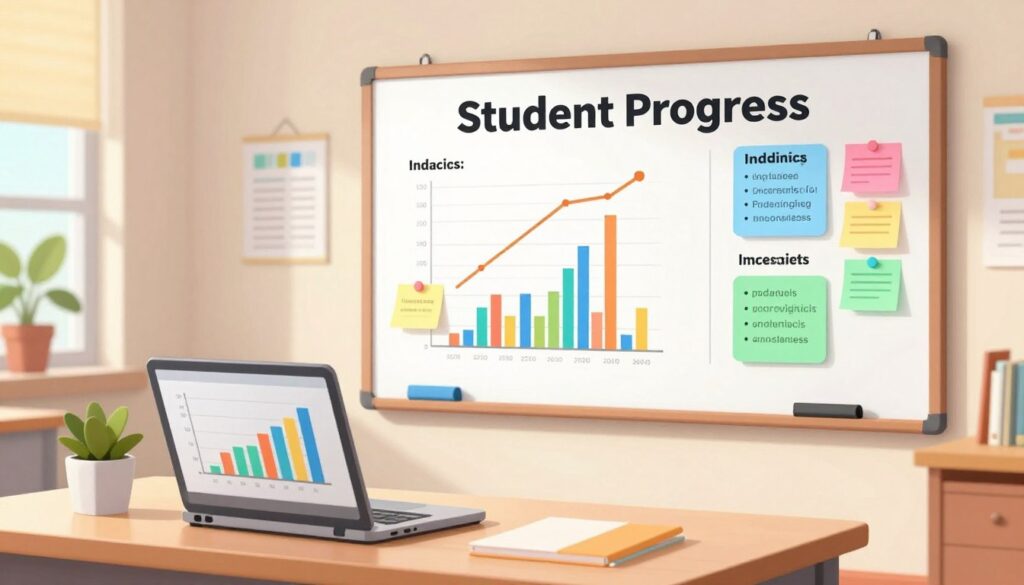
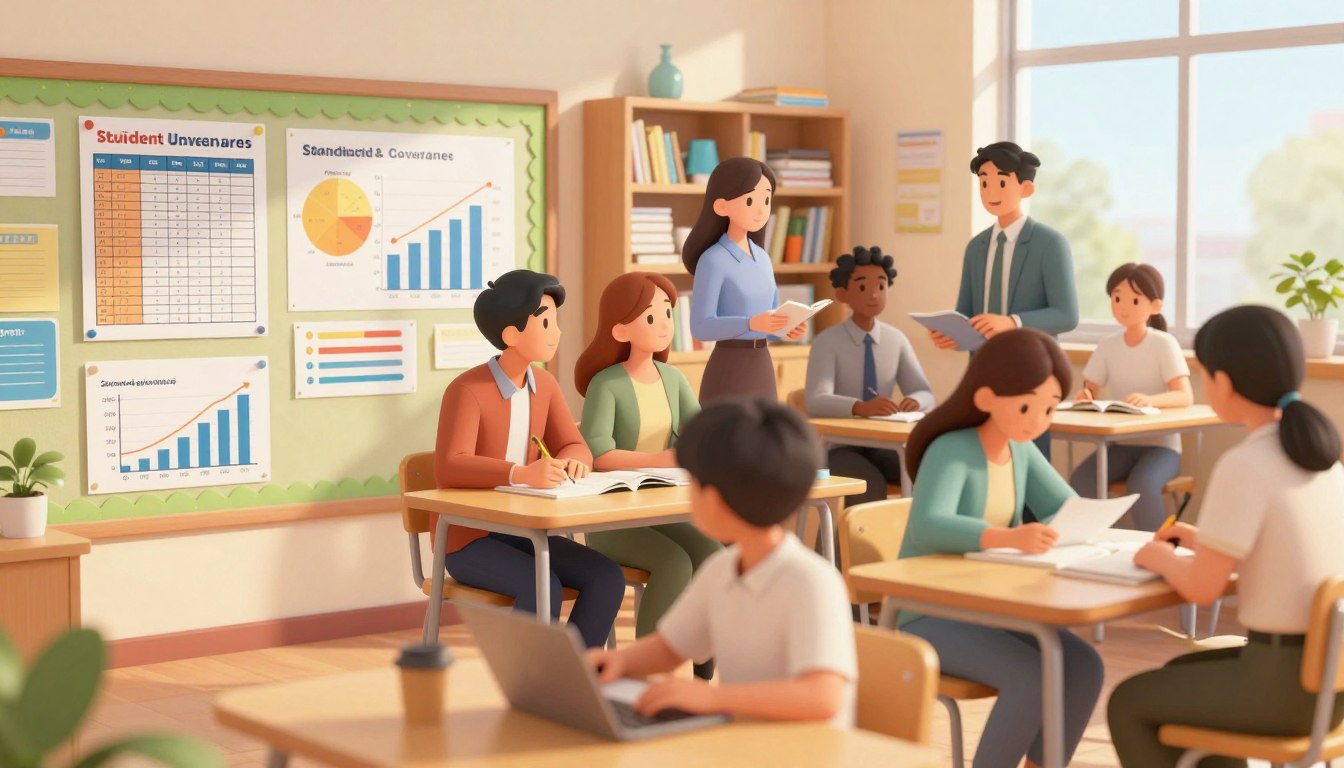
These systems thrive on shared responsibility. When learners actively participate in monitoring their advancement, they develop ownership of their educational journey. This approach reduces administrative burdens while increasing engagement.
Essential metrics extend beyond simple completion rates. They include assessment variety, growth patterns, and class-level performance trends. Modern student progress monitoring tools capture this comprehensive data effortlessly.
Visibility remains fundamental to successful implementation. Learners should easily see their current standing and identify areas needing improvement. This clarity empowers them to take concrete steps toward mastery.
Effective systems also prioritize flexibility and time-efficiency. They adapt to diverse course structures and grading philosophies. Meanwhile, they maximize insight generation without demanding excessive preparation time from educators.
Utilizing Grade Trackers for Alternative Grading Systems
Grade trackers bridge the comprehension gap in non-traditional assessment systems by making progress tangible and visible. These tools prove invaluable in standards-based, specifications, and mastery-based frameworks where traditional point accumulation doesn’t apply.
Students often struggle to understand their standing in alternative grading environments. Trackers provide clear roadmaps showing what learners need to accomplish for desired final grades.
Benefits of a Hands-On Grade Tracker
Active participation in tracking strengthens metacognitive awareness. When students physically record their accomplishments, they develop deeper understanding of the grading system.
This hands-on approach transforms abstract requirements into concrete milestones. Research shows increased motivation and reduced anxiety when learners can literally see their advancement.
Physical paper trackers often outperform digital versions for engagement. Students find single documents easier to manage than multiple online links. The tangible nature helps them make better sense of their progress.
Visualizing Progress with Checkboxes and Grids
Checkboxes provide familiar, flexible communication of requirements. A simple tracker might list standards with checkboxes next to each one. More complex systems use multi-column grids mirroring syllabus structure.
For instance, if students need 12 core targets for a D grade, there are 12 checkboxes in the “D” column. Additional boxes in higher grade columns show progressive requirements. This visual design reduces cognitive load while showing how grades build systematically.
| Tracker Type | Best For | Student Engagement |
|---|---|---|
| Basic Checkbox List | Simple standards-based courses | High – immediate visual feedback |
| Multi-Column Grid | Complex courses with multiple requirements | Medium – requires more explanation |
| Progress Bar System | Digital platforms with real-time updates | Variable – depends on interface design |
Effective implementation begins with first-day orientation activities. Periodic reminders and one-on-one conferences reinforce tracker usage. As noted in resources on tracking alternative grades, these tools work well with adaptive learning platforms to create comprehensive progress monitoring systems.
Incorporating Digital and Paper-Based Tracking Methods
Modern educational environments benefit from a strategic blend of technological innovation and time-tested traditional methods. This balanced approach allows instructors to capture comprehensive insights while maintaining student engagement across diverse learning scenarios.
Leveraging Digital Assessment Platforms for Real-Time Data
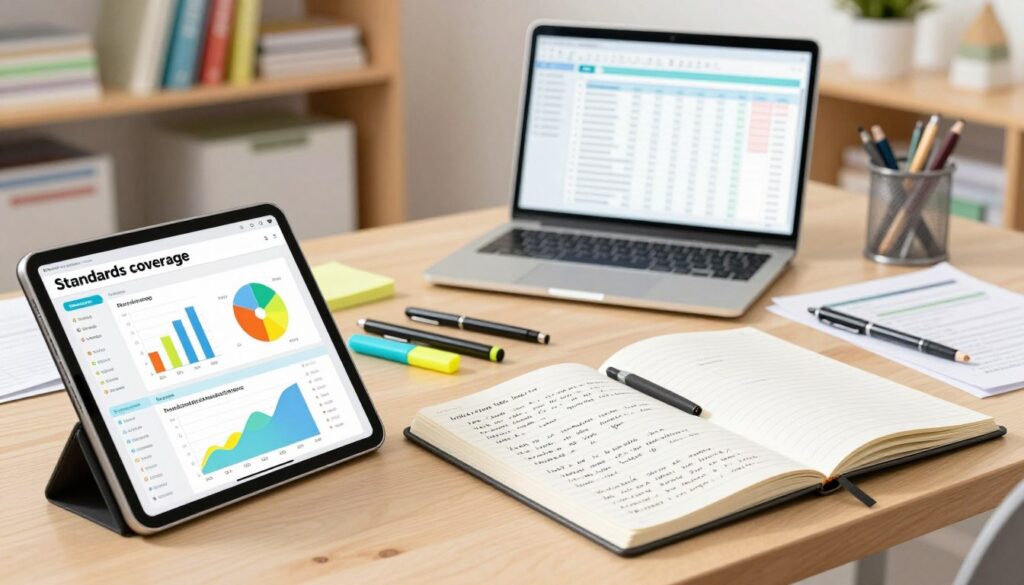
Digital platforms transform how educators gather and analyze student performance information. These systems automatically tag assessment items with specific learning objectives, creating immediate visibility into mastery levels.
Real-time dashboards reveal patterns across entire classes, helping instructors identify which concepts need reinforcement. The automated reporting saves valuable time while ensuring accuracy in large-scale data analysis.
Advantages of Traditional Paper Trackers
Physical paper systems offer unique benefits that digital tools cannot replicate. Students often prefer having a single document they can reference without device dependency.
The tactile experience of checking off accomplishments fosters deeper engagement with learning goals. This hands-on approach helps learners better understand their progress journey.
Many educators find that combining both methods creates optimal results. They maintain comprehensive gradebook software for data analysis while students use simplified paper trackers for personal monitoring.
Designing Your Own Standards Coverage Tracker
The design process for effective trackers requires careful consideration of both simplicity and functionality. Educators should focus on creating tools that serve students directly.
This approach ensures that monitoring systems enhance rather than complicate the learning experience. The right design makes progress visible and actionable.
Step-by-Step Guide to Setting Up a Tracker
Begin by clarifying core learning goals for your students. Identify what they need to accomplish throughout the term.
Next, translate these objectives into trackable elements. Use simple checkboxes for individual requirements. This way helps students understand basic things they must complete.
Organize elements in progressive columns showing how achievements build toward higher grades. This visual hierarchy guides daily work and keeps students motivated.
Customizing the Tracker for Your Course Needs
Every course has unique requirements that demand tailored solutions. Consider the specific structure and pacing of your classes.
For complex systems, create separate sections for different assignment types. This organization helps students track intermediate progress alongside final achievements.
“Simplicity is the ultimate sophistication in educational design.”
Effective trackers adapt to various learning environments while maintaining clarity. They empower students to take ownership of their progress.
| Tracker Type | Student Engagement | Best For |
|---|---|---|
| Basic Checkbox | High | Introductory level courses |
| Multi-Section Grid | Medium | Advanced classes with complex work |
| Progressive Columns | High | Standards-based grading systems |
Regular review ensures the tracker remains relevant throughout the semester. Adjustments may be needed based on student feedback and progress patterns.
Leveraging Education AI Tools to Enhance Tracking
Artificial intelligence is revolutionizing how educators monitor student progress against learning objectives. These advanced systems analyze patterns across vast datasets to surface insights that would require dozens of hours through manual review.
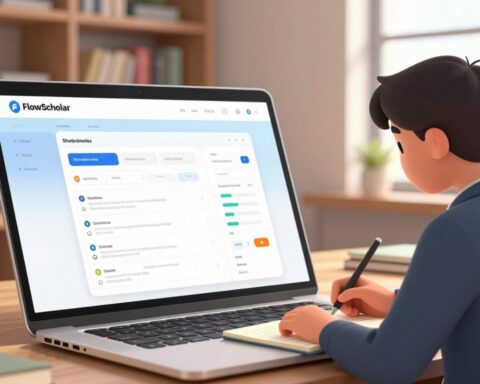
Overview of Flowscholar’s Intuitive Education AI Tool
Flowscholar’s Education AI Tool addresses specific challenges instructors face in monitoring standards coverage. The platform combines sophisticated analytical capabilities with user-friendly interfaces requiring minimal technical expertise.
This purpose-built solution automatically categorizes student performance data according to specific standards. It generates visual dashboards revealing class-wide mastery patterns and identifying learners needing targeted interventions.
Implementing AI for Real-Time Performance Insights
AI-powered tools provide immediate identification of conceptual misunderstandings. This contrasts with delayed feedback from traditional grading cycles. Instructors can adjust instruction while topics remain fresh rather than discovering gaps weeks later.
These platforms democratize access to sophisticated data analysis previously available only to institutions with dedicated assessment specialists. Individual classroom teachers can make data-informed decisions without advanced statistical knowledge.
Well-designed tools like Flowscholar augment rather than replace educator expertise. They provide analytical support while preserving the irreplaceable human elements of teaching relationships and contextual understanding.
Mid-Semester Check-Ins: An Essential Component
Midway through any instructional period, a strategic pause for assessment creates powerful opportunities for course correction. These checkpoints allow educators to gather crucial information before final grades are determined.
Gathering Student Feedback through Surveys
Well-designed surveys provide direct insight into the learner experience. Effective questions balance specificity with openness, asking what aspects help understanding and where confusion persists.
Anonymous formats encourage honest responses. Students feel valued when their perspectives shape classroom dynamics. This approach builds collaborative learning environments.
Digital tools streamline survey distribution and analysis. Platforms can quickly identify common themes across numerous responses.
Analyzing Longitudinal Data for Targeted Instruction
Performance patterns emerge when viewing assessment results across several weeks. This longitudinal perspective reveals whether struggles are temporary or persistent.
Educators can distinguish between normal learning curves and genuine comprehension gaps. Early identification of at-risk students enables proactive support, similar to approaches used in early dropout prediction systems.
Combining quantitative data with qualitative feedback creates comprehensive understanding. Instructors gain both statistical evidence and personal context to guide instructional adjustments.
Integrating Your Tracker into Grading and Course Policy
A well-designed grade tracker becomes most powerful when seamlessly woven into course policies. This integration ensures students see clear connections between daily work and final outcomes.
Aligning the Tracker with Learning Objectives and Grading Policies
Consistency between tracking tools and official documents prevents confusion. When trackers mirror syllabus structure and terminology, students grasp requirements more easily.
Instructors should explicitly explain the tracker’s role during syllabus review. These tools serve as student-facing progress monitors, while educators maintain official gradebooks separately.
Regular classroom routines can incorporate tracker updates. Brief sessions where students record recent achievements keep the system active and relevant.
This approach works across various grading philosophies. Whether using traditional points or mastery-based systems, the core principles of transparency and student ownership remain constant.
Office hour meetings benefit from starting with tracker review. This practice quickly identifies focus areas and models effective progress monitoring behavior.
Conclusion
Mastering curriculum monitoring transforms classroom dynamics from reactive to proactive instructional environments. Effective systems blend systematic documentation with student participation and appropriate technology. They integrate seamlessly with course objectives.
While implementation requires initial investment, the returns in student outcomes justify the effort. Instructors should customize approaches based on their specific context. No single method works perfectly for all teaching scenarios.
Transparent tracking empowers students with visibility into their progress. This fosters metacognitive awareness that extends beyond individual courses. As highlighted in resources on measuring student learning, this approach creates lasting educational impact.
Flowscholar‘s Education AI Tool offers comprehensive solutions for modern education challenges. Begin your implementation journey today at flowscholar.com.
FAQ
What is standards coverage, and why is it critical for instructors?
Standards coverage refers to the systematic tracking of which learning goals and required skills have been taught and assessed throughout a semester. It’s critical because it ensures that instruction aligns with curriculum requirements, helping instructors identify gaps in learning and adjust their teaching strategies to support student progress effectively.
How can a grade tracker help with alternative grading systems?
A well-designed grade tracker provides a flexible framework for monitoring student performance beyond traditional letter grades. It allows instructors to visualize progress through checkboxes and grids, focusing on mastery of specific skills and standards. This hands-on approach offers clear data on individual student growth and class-wide trends.
What are the benefits of using a digital platform versus a paper-based tracker?
Digital assessment platforms, like Flowscholar’s education AI tool, offer real-time data and analytics, enabling immediate insights into student performance. Paper-based trackers, however, provide a tangible, simple system that can be highly effective for quick, in-the-moment checks during class. The best choice often depends on an instructor’s specific workflow and tech comfort level.
Can I design my own standards coverage tracker for a unique course?
Absolutely. Designing a custom tracker starts with listing your core learning objectives. From there, you can create a grid or checklist format to record evidence of student understanding from assignments, quizzes, and class work. The key is to tailor it to your course’s pace and the specific information you need to guide instruction.
How often should I review the data from my standards tracker?
Regular check-ins are essential. A mid-semester review is a powerful practice, allowing you to analyze longitudinal data and gather student feedback. This routine helps pinpoint areas where the class struggles, enabling targeted interventions before the end of the grading period.
How does Flowscholar’s AI tool enhance the tracking process?
Flowscholar’s intuitive education AI tool automates data collection from assignments and assessments. It provides real-time performance insights, highlighting which standards need more instructional time. This saves educators valuable hours while delivering strategic analytics to directly inform teaching decisions.