As Maria Montessori once observed, “Play is the work of the child.” This wisdom cuts to the heart of a challenge educators face every school year. The quest to make test prep and end-of-unit reviews both effective and enjoyable often feels like an impossible balance.
Traditional methods frequently fall short. Worksheet packets lead to silence, while chaotic games prioritize entertainment over genuine learning. The result is wasted instructional time and students who only superficially engage with half the necessary material. This leaves young learners unprepared for critical assessments.
This guide offers a different path. It synthesizes proven strategies from extensive educational research to present a new framework. The goal is to move beyond simple recall, fostering deeper understanding and long-term retention. Effective in-class peer review and other dynamic techniques can make all the difference.
Educators will discover a versatile toolkit. These methods are adaptable to any subject or grade level, ensuring that review sessions become opportunities for meaningful mastery. This approach maximizes every minute of class time, blending energy with genuine educational value.
Key Takeaways
- Traditional review methods often fail to balance engagement with educational effectiveness.
- The core challenge is moving beyond low-level recall to promote genuine understanding.
- This guide provides a research-backed framework for transforming review sessions.
- Strategies focus on higher-order thinking skills for long-term retention.
- The methods are versatile and adaptable to any classroom environment.
- The goal is to make review days dynamic and productive learning experiences.
Understanding the Purpose and Impact of Engaging Review Days
Cognitive science has uncovered fundamental principles that challenge long-held assumptions about effective knowledge reinforcement. Traditional methods often create an illusion of mastery rather than genuine understanding. The shift toward interactive approaches represents more than just pedagogical preference—it’s grounded in how the brain actually learns.
https://www.youtube.com/watch?v=3M1TDW_XNgE
Reframing Review Sessions Beyond Traditional Methods
Effective review transforms from passive information delivery to active knowledge construction. When learners wrestle with content through discussion and application, they build stronger neural pathways. This approach moves beyond simple recall to higher-order thinking skills.
Research confirms that retrieval practice—actively pulling information from memory—strengthens learning more effectively than passive exposure. As educational experts note through extensive classroom observations, this method creates durable knowledge that withstands assessment pressures.
| Traditional Approach | Interactive Method | Learning Impact |
|---|---|---|
| Worksheet packets | Peer teaching activities | Surface-level recognition vs. deep understanding |
| Teacher-led lectures | Student-centered discussions | Passive reception vs. active construction |
| End-of-unit cramming | Distributed practice throughout the year | Temporary retention vs. long-term mastery |
Benefits of Interactive Review Sessions for Student Learning
Well-designed review sessions yield benefits that extend far beyond test performance. They build student confidence and metacognitive awareness. The collaborative nature of these activities strengthens classroom community while developing lifelong learning strategies.
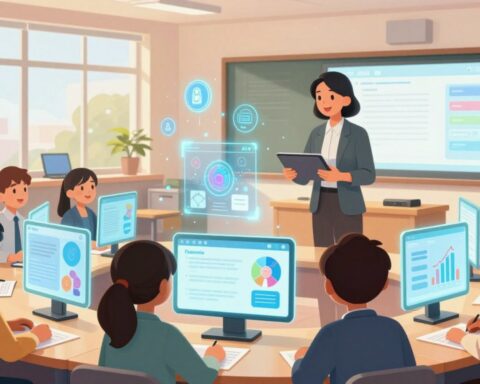
Educators can leverage modern tools to enhance these experiences. AI-powered educational platforms offer new possibilities for personalized review. This technological support allows teachers to focus on targeted intervention rather than broad reteaching.
The “You Do Alone” approach provides crucial diagnostic information. It reveals genuine understanding and identifies specific knowledge gaps. This strategic framework ensures every minute of classroom time contributes to meaningful mastery.
How to Run Review Days That Students Actually Like: Strategies and Ideas
Educators seeking to revitalize their approach to knowledge reinforcement can leverage game-based strategies. These methods transform routine content coverage into dynamic experiences that captivate young learners.
Integrating Quick, High-Impact Games
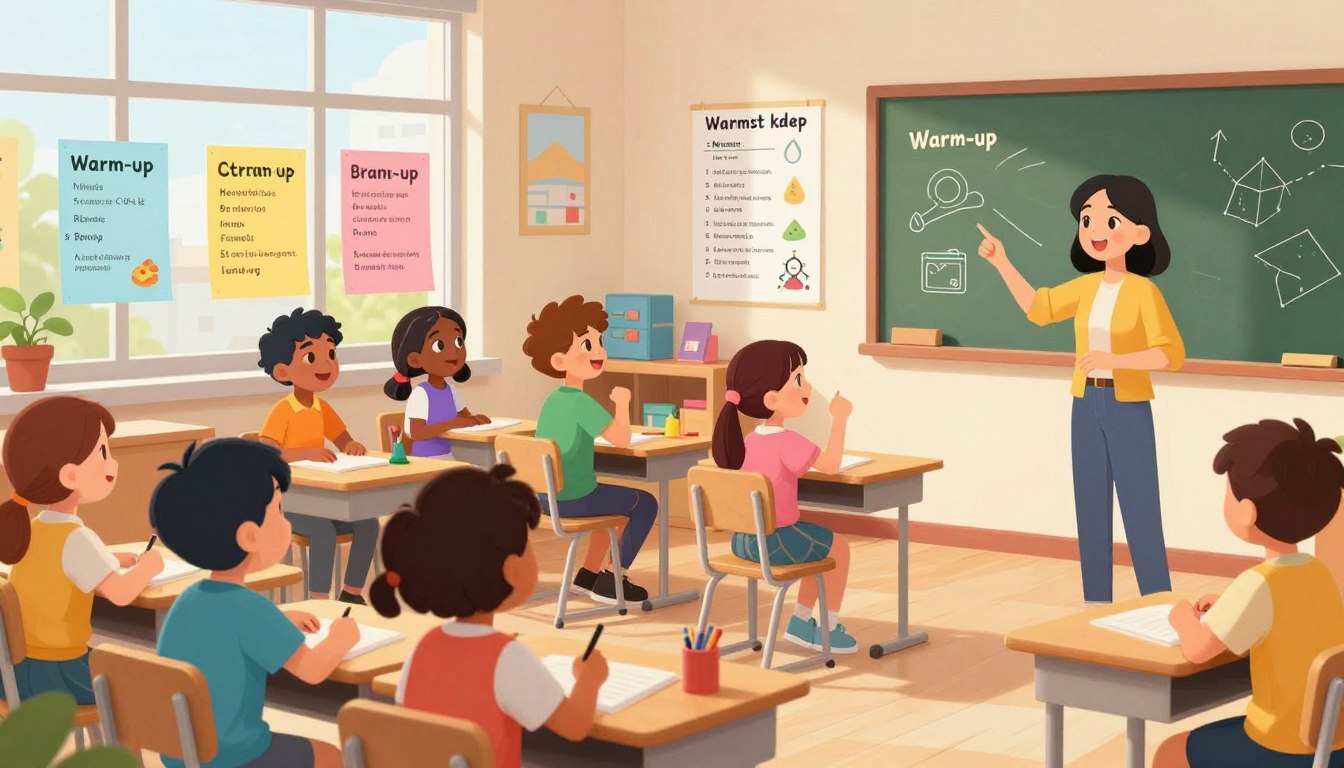
Simple point-based competitions maximize content engagement while minimizing logistical overhead. Personal whiteboards enable simultaneous participation, allowing every student to respond to questions instantly.
Time-efficient formats like Race at the Board and Around the World add physical movement without sacrificing coverage. These approaches align with research-based preparation strategies that cater to diverse learning preferences.

Balancing Efficiency and Engagement
The strategic selection of game formats depends on specific learning objectives. Vocabulary mastery benefits from rapid recall activities, while complex concepts work well with collaborative group contests.
Digital tools like Kahoot create immersive experiences that leverage technology familiarity. The key principle remains focusing on content mastery while using competition as an engagement vehicle.
Leveraging FlowScholar’s Education AI Tool
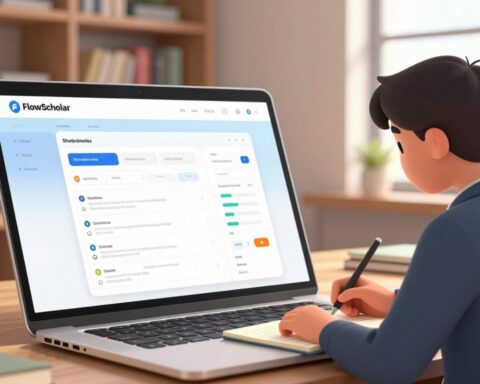
FlowScholar’s Education AI Tool offers personalized, adaptive review experiences. This platform generates customized questions and adjusts difficulty levels in real-time.
When integrated with traditional games, AI tools handle personalization while teachers facilitate meaningful discussions. This hybrid approach represents the future of adaptive learning platforms, combining technological precision with human connection.
Implementing and Adapting Review Games for Various Classrooms
The most successful educators recognize that effective review requires adaptable strategies rather than rigid formulas. No single approach works universally across different subjects, grade levels, or classroom environments.
Implementation begins with selecting methods based on content complexity and specific learning objectives. A diverse repertoire ensures teachers can match activities to their students’ needs.
Modifying Traditional Review Games for Today’s Classroom
The Continuum Challenge exemplifies how simple ranking exercises transform into rich analytical experiences. Students place topics along a spectrum and defend their decisions through debate.
This activity works equally well with digital tools or physical materials. The key modification involves requiring justification rather than simple placement.
Enhanced Venn Diagrams push beyond superficial comparison. Students must categorize each point rather than just listing traits. This works across disciplines from history to science.
Incorporating Student-Created Materials for Richer Discussions
Student-generated resources—concept maps, anchor charts, word walls—provide personalized review content. These materials reconnect learners with their own knowledge construction process.
Brain Dump activities honor retrieval practice principles. Students write everything they remember, then collaborate to fill gaps and create memory aids.
The most powerful implementation occurs when teachers facilitate discussion rather than lecture. Guiding questions help students discover correct answers through peer collaboration.
Conclusion
Transforming educational practices begins with reimagining how we approach content consolidation. The most successful educators recognize that meaningful learning occurs when students actively construct understanding rather than passively receive information. This shift from teacher-centered to student-driven sessions represents a fundamental improvement in educational methodology.
These dynamic strategies create classrooms where rigorous content mastery and genuine engagement coexist. Teachers can now move beyond traditional methods that often fail to resonate with today’s learners. The framework presented offers versatile approaches adaptable to any subject or grade level throughout the academic year.
FlowScholar’s Education AI Tool represents the natural evolution of these principles. This platform combines proven pedagogical strategies with cutting-edge technology, offering personalized learning experiences that adapt to individual student needs. It provides teachers with actionable data while maintaining the human connection essential for effective teaching.
Educators ready to elevate their practice should explore how FlowScholar complements these approaches. Visit flowscholar.com to discover AI-enhanced tools that transform routine sessions into powerful learning experiences. This integration ensures knowledge sticks long after assessments conclude, achieving the ultimate goal of lasting educational impact.
FAQ
What makes a review day effective and enjoyable for students?
An effective review day moves beyond simple question-and-answer drills. It incorporates interactive activities like games and collaborative tasks that transform the process into an engaging challenge. This approach boosts student motivation, reinforces content through active participation, and reduces test-related anxiety, making the classroom experience more positive.
How can teachers ensure review games are educational and not just fun?
The key is to align the game’s core mechanics directly with the learning objectives. Every point scored or round won should be tied to correctly answering a question or demonstrating understanding of the material. Teachers can use tools like FlowScholar’s Education AI to quickly generate targeted questions, ensuring the fun activity remains a focused and efficient learning tool.
Can these review activities be adapted for different grade levels and subjects?
Absolutely. The structure of many successful review games is highly flexible. For younger students, a simple board game format with movement works well. For older students, more complex team-based competitions or digital platforms can increase the challenge. The content—whether math problems, historical events, or vocabulary words—is easily slotted into the chosen activity framework.
What is a low-prep review game idea for a busy teacher?
A quick and effective low-prep game is “Whiteboard Relay.” Divide the class into teams. Pose a review question, and one member from each team races to write the answer on a small whiteboard at the front of the room. This activity requires minimal materials, incorporates movement, and provides immediate feedback on student understanding for the whole class to see.
How does student-created content enhance review sessions?
When students generate their own review questions or quiz each other, they engage in higher-order thinking. They must identify key information, formulate clear questions, and assess their peers’ answers. This process deepens their own understanding and fosters a sense of ownership over their learning, making the review far more impactful than passively receiving information.