
“You don’t have to be great to start, but you have to start to be great.” This quote by Zig Ziglar emphasizes the importance of taking the first step towards achieving your goals, especially when it comes to preparing for a test. Many people struggle to create a study schedule that they can stick to, often due to unrealistic expectations and a lack of understanding of their own habits and time management.
Most study plans fail because they don’t account for the reality of time constraints and individual study needs. By understanding your approach to studying and leveraging tools like FlowScholar’s AI-powered planners, you can develop a schedule that aligns with your test preparation goals.
Key Takeaways
- Create a realistic study plan that fits your lifestyle.
- Understand your personal habits to optimize your study time.
- Leverage AI-powered tools to streamline your test preparation.
- Balance structure with flexibility in your schedule.
- Focus on consistency rather than perfection in your study routine.
Why Most Test Prep Schedules Fail
Many test preparation schedules are doomed from the start due to a lack of personalization. The reality is that most test prep plans fail because they ignore the individual’s actual circumstances, energy levels, and schedule.
Unrealistic Expectations vs. Reality
One of the primary reasons test prep schedules fail is due to unrealistic expectations. Many students overestimate their ability to study for long hours on end, only to find themselves exhausted and demotivated after a few days. For instance, a study plan that demands 6 hours of study time daily may be unrealistic for someone with a busy work schedule or family commitments. A more realistic approach would be to start with manageable study sessions and gradually increase the duration as needed.
Comparing your study capacity to others can also be misleading, as people’s life circumstances and energy levels vary significantly. It’s essential to assess your own routine and time commitments realistically.
The Problem with One-Size-Fits-All Approaches
Generic study schedules often fail because they don’t account for individual learning styles, energy patterns, and existing commitments. A one-size-fits-all approach can lead to frustration and abandonment of the study plan. For example, a schedule that doesn’t consider a student’s peak energy hours or daily routine is unlikely to be effective.
| Study Approach | Characteristics | Outcome |
|---|---|---|
| Generic Schedule | One-size-fits-all, ignores individual differences | Frustration, abandonment |
| Personalized Schedule | Tailored to individual’s needs, energy patterns, and commitments | Better adherence, improved performance |
To create an effective study schedule, it’s crucial to consider your unique circumstances and preferences. Using a tool like FlowScholar AI can help streamline your test prep. Additionally, exploring proven study schedules, such as those discussed in MCAT study schedule articles, can provide valuable insights.
Assessing Your Personal Study Style
## Assessing Your Personal Study Style
To maximize your study effectiveness, it’s crucial to understand your personal study style. This involves identifying your peak energy hours, understanding your learning preferences, and adapting your study techniques accordingly.
### Identifying Your Peak Energy Hours
Some people are naturally more alert in the morning, while others peak later in the day. Tracking your energy levels for a few days can help you pinpoint when you’re most focused and alert. Consider your brain like a phone battery; it charges and drains differently for everyone. By noticing when you feel most alert, tired, distracted, or focused, you can plan your study sessions during your high-energy periods.
For instance, if you’re a morning person, you might find that you’re most productive between 8 am and 11 am. On the other hand, if you’re more of a night owl, your peak hours might be between 7 pm and 10 pm.Understanding your peak energy hours can significantly enhance your study productivity.
### Understanding Your Learning Preferences
People have different learning preferences, including visual, auditory, kinesthetic, and reading/writing. Visual learners benefit from diagrams, charts, and images, while auditory learners prefer listening to lectures or discussions. Kinesthetic learners learn best through hands-on activities, and reading/writing learners excel with written texts and note-taking.
To identify your learning preference, try different study techniques and see what works best for you. For example, you might watch video lectures, participate in study groups, or practice problems.Experimenting with various methods can help you discover your optimal learning style.
By understanding your peak energy hours and learning preferences, you can tailor your study approach to suit your needs. This personalized strategy can lead to more effective learning and better retention of material. For more information on optimizing your study schedule, you can refer to theTOEFL iBT Student Test Prep Planner.
Setting Clear Goals and Defining Your “Why”
Establishing clear goals is the foundation of a successful test prep journey. As emphasized by the Education AI Tool, FlowScholar, understanding your purpose is key to staying motivated. Before you decide when or how to study, ask yourself why you’re studying in the first place.
“When your reason is clear, it’s easier to stay motivated,” serving as a compass that keeps you on track when challenges arise. This clarity of purpose is what drives individuals to achieve their objectives.
Creating Specific and Measurable Objectives
To create a roadmap for success, you need to set SMART (Specific, Measurable, Achievable, Relevant, Time-bound) study objectives. This step-by-step approach helps break down the larger goal of test success into manageable milestones, allowing you to track your progress effectively.
For instance, instead of saying “I want to do well on the exam,” say “I will score at least 80% on the exam by dedicating 2 hours daily to studying for the next 3 months.” This specificity gives you a clear plan and direction.
Connecting Your Study Goals to Long-Term Motivation
Connecting your study goals to your long-term aspirations and core values creates intrinsic motivation that persists even when external motivators fade. It’s about understanding how your immediate goals contribute to your future success.
For example, visualizing yourself succeeding in your desired career after achieving a good score on the exam can be a powerful motivator. This vision of your future self can fuel your study sessions, making the approach to your study plan more engaging and meaningful.

By articulating and documenting your study goals, you make them concrete and compelling. This clarity not only guides your study plan but also motivates you to take consistent action towards your objectives.
How to Build a Test Prep Schedule That You’ll Actually Follow
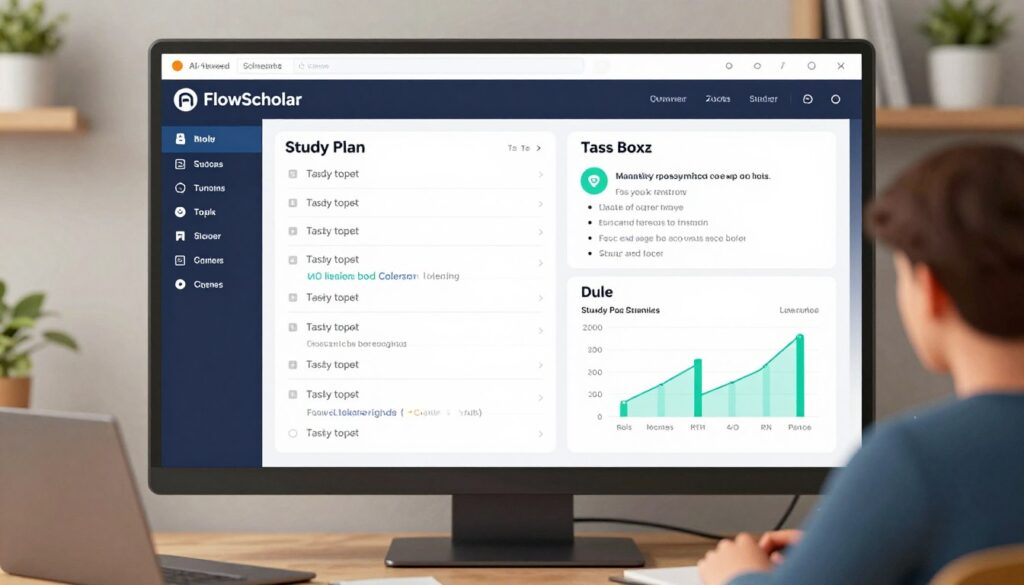
The key to a successful test prep lies in crafting a schedule that balances study time with other aspects of your life. A well-planned schedule enables you to make consistent progress, even with a busy lifestyle.
The Foundation: Consistency Over Intensity
Consistency is more important than intensity when it comes to studying. Research shows that regular, moderate study sessions yield better results than sporadic cramming. This is because our brains process information more effectively when it’s reviewed over time, a concept known as distributed practice. To apply this, set a general study pattern, such as studying from 7 to 9 p.m. every evening. The goal is to make studying a habit, like brushing your teeth, so it becomes an automatic part of your daily routine.
Balancing Structure with Flexibility
While consistency is crucial, it’s equally important to build flexibility into your study schedule. Life can be unpredictable, and unexpected events will occur. Instead of rigidly sticking to your plan, allow for some buffer time to accommodate disruptions. This might mean having an extra day to catch up or adjusting your study time on particularly busy days. By being flexible, you can maintain your overall study rhythm without getting discouraged by minor setbacks. FlowScholar’s scheduling tools can help you optimize your study time allocation based on content difficulty and your personal learning patterns, making it easier to stay on track.
By focusing on consistency and flexibility, you can create a test prep schedule that you’ll actually follow. This approach not only helps you stay committed to your study goals but also ensures that you’re making progress towards achieving them.
Breaking Down Your Study Material Effectively
When preparing for a test, it’s easy to feel overwhelmed by the sheer volume of material that needs to be covered. However, by breaking down your study content into manageable chunks, you can make the task less daunting and more achievable.
The Chunking Method for Better Retention
The chunking method involves dividing complex information into smaller, more digestible pieces. This technique is based on the cognitive science principle that our brains can only process a limited amount of information at a time. By chunking your study material, you can reduce cognitive load and improve retention.
To apply the chunking method, start by identifying the key concepts and topics within your study material. Then, break these down into smaller subtopics or chunks. For example, if you’re studying a history chapter, you might chunk the material into sections based on different time periods or events.
Creating a Progressive Learning Path
Once you’ve chunked your study material, the next step is to create a progressive learning path. This involves organizing your chunks in a logical order that builds on your knowledge and understanding.
A progressive learning path should start with foundational concepts and gradually move on to more advanced topics. By structuring your study material in this way, you can ensure that you have a solid understanding of the basics before moving on to more complex material.
To create a progressive learning path, consider the following steps:
- Identify the key concepts and topics within your study material.
- Chunk these concepts into smaller subtopics or chunks.
- Organize your chunks into a logical order that builds on your knowledge and understanding.
- Start with foundational concepts and gradually move on to more advanced topics.
By following these steps, you can create a progressive learning path that helps you stay focused and motivated as you study.
| Chunking Method | Progressive Learning Path |
|---|---|
| Divide complex information into smaller pieces | Organize chunks into a logical order |
| Reduce cognitive load and improve retention | Build knowledge systematically |
By using the chunking method and creating a progressive learning path, you can make your study material more manageable and improve your overall learning experience.
Time Management Techniques for Test Preparation
Effective test preparation requires more than just understanding the material; it demands a strategic approach to managing your time. One powerful technique is the Pomodoro Technique, which involves working in focused 25-minute increments, followed by a 5-minute break. This method aligns with the brain’s natural attention span and can help you stay on track.
The Pomodoro Technique and Other Time-Blocking Methods
The Pomodoro Technique is just one of many time management techniques. Other methods include 90-minute work cycles and flexible time blocks. These techniques can help you maintain focus and avoid burnout.
- 90-Minute Work Cycles: Work for 90 minutes, then take a 10-15 minute break.
- Flexible Time Blocks: Divide your study session into blocks of time that fit your schedule and attention span.
Finding Hidden Study Time
In addition to dedicated study sessions, there are often pockets of time throughout the day that can be leveraged for studying. These might include commute time, break times, or waiting in line. By identifying and utilizing these hidden moments, you can significantly increase your study time without feeling overwhelmed.
| Hidden Study Time | Description |
|---|---|
| Commute Time | Use public transportation time to review notes or listen to study podcasts. |
| Break Times | Utilize your breaks at work or school to quickly review study materials. |
| Waiting in Line | Use waiting time to review flashcards or go over notes on your phone. |
Creating the Perfect Study Environment
Ever try to study on your bed and end up napping instead? Yeah, guilty. Your environment shapes your focus more than you realize. Keep your study spot clean, well-lit, and distraction-free. Have your water, notes, pens — everything — ready before you start. That way, you won’t waste time hunting for your highlighter mid-sentence. And if you can, assign that space only.
Physical Space Optimization
Good lighting and ergonomic furniture are crucial. Poor lighting can lead to eye strain, and uncomfortable furniture can cause back pain. Manage noise levels to your liking; some prefer silence, while others work better with background noise.
Digital Environment and Distraction Management
Organize your digital workspace by keeping your computer desktop clean and clutter-free. Use app blockers and adjust notification settings to minimize distractions. Consider a website blocker to help you stay focused during study sessions.
Creating a portable study environment is also key for those who study in multiple locations. Invest in a comfortable, lightweight bag that can hold all your study essentials.
Technology Tools to Enhance Your Test Prep
## Technology Tools to Enhance Your Test Prep
In today’s digital age, technology plays a vital role in enhancing the test preparation process. With numerous tools and apps available, it’s essential to leverage the right technology to streamline your study experience.
### How FlowScholar AI Can Streamline Your Test Prep
FlowScholar’s AI-powered learning platform is designed to personalize your study experience, making it more efficient and effective. By utilizing spaced repetition algorithms, content analysis, and performance tracking, FlowScholar creates a tailored learning path that adapts to your needs. This approach enables you to focus on areas where you need improvement, maximizing your study time.
To get started with FlowScholar, simply visit FlowScholar.com and explore their AI-driven test prep tools. With FlowScholar, you can
and experience the benefits of personalized learning.
### Additional Apps and Tools for Scheduling and Focus
In addition to FlowScholar, there are several other apps and tools that can enhance your test prep experience. For instance, apps like One Sec help you create barriers to distracting apps, allowing you to stay focused on your studies. You can also explore other digital tools for schedule management, focus enhancement, and content organization that integrate well with FlowScholar.
By combining these tools with FlowScholar’s AI-powered platform, you can create a comprehensive study ecosystem that supports your goals. To learn more about these tools and how they can enhance your test prep,
about the available resources.
Building Accountability Into Your Schedule
To maximize progress, it’s essential to build accountability into your study schedule. A well-structured study plan is more effective when paired with external accountability mechanisms that significantly increase follow-through on study commitments.
Study Groups and Accountability Partners
One effective way to add accountability is by joining or forming a study group. Studying with others can foster a sense of commitment and friendly competition. When selecting study partners, look for people who share similar goals and are committed to their study schedule. You can also use virtual platforms to connect with others who are preparing for the same test, expanding your network beyond geographical limitations.
Having an accountability partner allows you to track progress together, share resources, and motivate each other during challenging times. Regular check-ins with your study group or partner can help you stay on time and focused on your objectives.
Progress Tracking Systems That Work
Implementing a progress tracking system is crucial for maintaining momentum. Use a simple notebook or an app like FlowScholar to record what you studied each day, noting the duration and material covered. Seeing your list of accomplishments grow provides a huge sense of achievement and helps you stay motivated.
- Record your study time and content covered daily.
- Use an app to track your progress and stay organized.
- Review your list regularly to see how far you’ve come.
By leveraging these tools and strategies, you can create a robust accountability system that keeps you committed to your study schedule and drives you toward your goals.

Handling Setbacks and Maintaining Momentum
Despite the best-laid plans, setbacks are inevitable; the key is learning how to handle them effectively. When you’re preparing for a significant test, maintaining momentum is crucial, yet it’s common to encounter obstacles along the way.
Strategies for When You Fall Behind
It’s normal to have days when studying feels like an insurmountable task. On such days, it’s essential not to be too hard on yourself. Instead, consider switching tasks; if reading is challenging, try something lighter like organizing your notes or revising diagrams. This approach helps you stay engaged with your study plan without feeling overwhelmed.
- Identify the tasks that can be done at a slower pace.
- Prioritize the most critical areas of your study material.
- Use time-management tools to stay on track.
Adjusting Your Schedule Without Giving Up
When you fall behind, it’s crucial to assess your schedule and make necessary adjustments. Consider the time you have available over the next week or weeks and plan your study sessions accordingly. It’s about finding a balance between being consistent and being realistic about what you can achieve.
To adjust your plan effectively, take the following steps:
- Review your study progress to identify areas that need more attention.
- Adjust your daily or weekly study schedule to focus on these areas.
- Remember, the goal is to make steady progress, not to cram everything into one week or a few days.
By adopting a flexible approach and maintaining a growth mindset, you can navigate setbacks and continue moving forward with your test preparation. Tools like FlowScholar’s adaptive scheduling features can be invaluable in recalibrating your study plan when life disrupts your original timeline.
Conclusion: Your Sustainable Path to Test Success
Sustainable test prep is about more than just studying; it’s about cultivating a growth mindset that serves you beyond the test itself. By focusing on consistent, strategic engagement with the material, you can achieve test success without sacrificing your well-being.
The key to successful test preparation lies in understanding your personal patterns and building a study routine that aligns with them. This approach may not be as flashy as some of the more popular study methods, but it’s effective and sustainable in the long run.
As you move forward, remember that your test preparation journey is a personal growth experience. The discipline and self-knowledge you gain will serve you well beyond the test itself, helping you tackle future challenges with confidence.
To get started, take small initial actions that build momentum. Open your book for just ten minutes today, or try one of the study techniques outlined in this article. As you begin to see progress, you’ll become more motivated to continue.
Don’t let common fears and resistances hold you back. You’ve got this! With the right mindset and support, you can overcome any obstacle and achieve your goals. Consider exploring tools like FlowScholar’s AI-powered education platform to support your journey to test success.
In conclusion, your path to test success is unique, and it’s time to take the first step. Visit FlowScholar.com to learn more about how their education AI tool can transform your test preparation experience.
FAQ
What is the most effective way to create a study schedule?
The most effective way to create a study schedule is to assess your personal study style, set clear goals, and define your “why.” This involves identifying your peak energy hours, understanding your learning preferences, and creating specific and measurable objectives.
How often should I review and adjust my study schedule?
It’s essential to review and adjust your study schedule regularly, ideally every week or two, to ensure you’re on track to meet your goals. This allows you to make adjustments as needed and maintain momentum.
What is the Pomodoro Technique, and how can it help with test prep?
The Pomodoro Technique is a time management method that involves working in focused 25-minute increments, followed by a 5-minute break. This technique can help you stay focused, avoid burnout, and maintain a sustainable study pace.
How can I stay motivated during my test prep journey?
Staying motivated involves connecting your study goals to long-term motivation, tracking your progress, and celebrating small wins. Having an accountability partner or study group can also help you stay motivated and engaged.
What are some common mistakes to avoid when creating a study schedule?
Common mistakes to avoid include setting unrealistic expectations, being too rigid, and not leaving room for flexibility. It’s also essential to avoid procrastination and distractions by creating a conducive study environment and using tools like website blockers.
Can I use technology to enhance my test prep, and if so, how?
Yes, technology can be a valuable tool in test prep. You can use apps like FlowScholar AI to streamline your study process, track your progress, and stay organized. Other tools like Pomodoro timers and website blockers can also help you stay focused.
How can I balance study sessions with other activities and responsibilities?
Balancing study sessions with other activities and responsibilities involves being intentional with your time, prioritizing tasks, and scheduling breaks. It’s essential to maintain a healthy work-life balance to avoid burnout and maintain productivity.