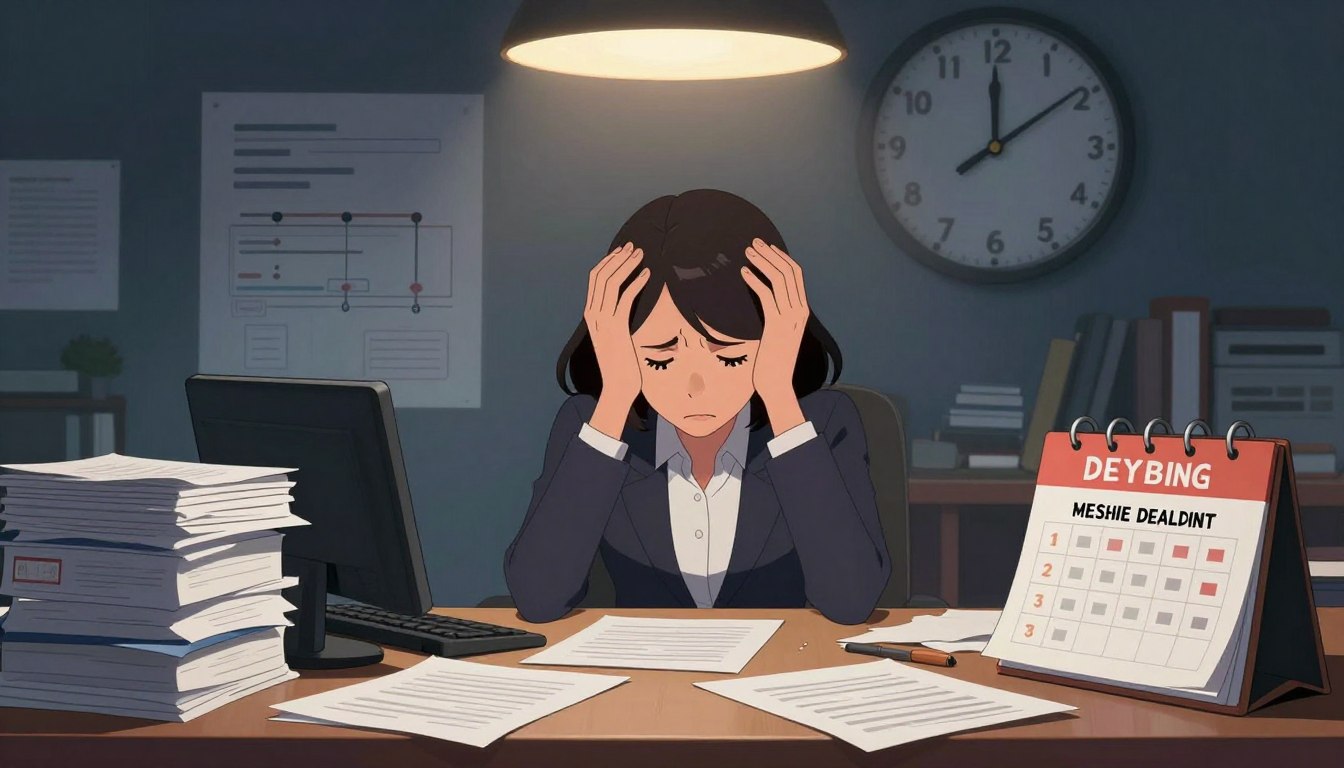
Managing deadlines effectively is a critical skill that impacts both academic success and professional advancement. By developing the right strategies and leveraging modern tools, you can ensure that you never miss another assignment deadline. With the help of FlowScholar, you can streamline your workflow and achieve your goals.
The Consequences of Missing Deadlines
Missing deadlines can have far-reaching consequences in both academic and professional settings. When deadlines are missed, it can cause delays and put the entire project at risk.
The impact on time management is significant, as missed deadlines disrupt team and cross-functional workflows, causing bottlenecks that block other teams from completing their work. This, in turn, affects overall project management and can lead to decreased productivity.
Impact on Academic Performance
In academic settings, missing deadlines can negatively affect grades and overall academic performance. Consistently failing to meet deadlines may indicate poor time management skills, which can hinder a student’s ability to track their progress and stay on top of their assignments.
Professional Repercussions
In professional settings, missed deadlines can damage one’s reputation and trustworthiness among colleagues and supervisors. This can lead to reduced opportunities for career advancement and potentially impact salary increases. Organizations often track employee reliability through project management systems, and patterns of missed deadlines can influence decisions about future project assignments.
Create a Centralized System for All Your Assignments
Effective assignment management begins with a centralized system that keeps all tasks in check. By having a single, reliable repository for all assignments, students can ensure they never miss a deadline.
Digital Calendar Solutions
One of the most efficient ways to manage assignments is through digital calendar solutions. Apps like Google Calendar and Apple Calendar allow users to track tasks and set reminders. For students looking for the best digital calendar apps, options like Asana’s Assignment Tracker template can be particularly useful.

The Power of Writing Things Down
For those who prefer a more traditional approach, writing things down can be incredibly effective. Research shows that physically writing information enhances memory and cognitive processing. Using a to-do list or a planner can provide a tangible representation of tasks, making it easier to stay organized.
- Bullet journals and paper planners offer creative customization options.
- The act of manually crossing off completed tasks triggers dopamine release.
- Many successful students use a hybrid approach, combining digital calendars with handwritten lists.
By incorporating a system that works best for you, whether digital or analog, you can significantly improve your ability to manage assignments and meet deadlines. Tools like FlowScholar can also provide additional support in organizing tasks.
How to Organize Assignments So You Never Miss a Deadline
To effectively manage assignments and meet deadlines, it’s crucial to implement a systematic approach. This involves categorizing tasks, breaking down large projects, and establishing milestones.
Categorize Assignments by Priority
Categorizing assignments based on their priority is essential for effective time management. By focusing on the most critical tasks first, you can ensure that you’re making progress on the most important assignments. This approach helps in allocating time and resources efficiently, thereby reducing the stress associated with looming deadlines.
- Identify the urgency and importance of each assignment.
- Use a priority matrix to categorize tasks into high, medium, and low priority.
- Focus on completing high-priority tasks first.
Break Down Large Projects into Manageable Tasks
Large projects can be overwhelming, but breaking them down into smaller, manageable tasks makes them more achievable. This strategy not only helps in planning but also in tracking progress. By dividing a large project into smaller tasks, you can create a roadmap that guides you through the project lifecycle.
- Divide the project into smaller tasks based on its components.
- Create a timeline for each task to ensure steady progress.
- Monitor the completion of each task to stay on track.
Establish Clear Milestones
Establishing clear milestones is vital for tracking progress and staying motivated. Milestones serve as markers that indicate how far you’ve progressed toward completing a project. By setting realistic milestones, you can create a sense of accomplishment as you complete each one, which helps in maintaining motivation throughout the project.
- Set specific, measurable, achievable, relevant, and time-bound (SMART) milestones.
- Use milestones to track progress and identify potential issues early.
- Celebrate the completion of milestones to maintain motivation.
| Task | Priority | Deadline |
|---|---|---|
| Research | High | 2023-04-15 |
| Writing | Medium | 2023-04-20 |
| Editing | Low | 2023-04-25 |
For more insights on managing assignments effectively, visit Calendar.com.
Set Up an Effective Reminder System
Establishing a robust reminder system is crucial for staying on top of assignments and meeting deadlines. By implementing a reliable system that works for you, you can ensure that you never miss a critical task or deadline.
Strategic Timing for Reminders
Timing is everything when it comes to reminders. Setting a reminder the day before an assignment is due can help ensure it’s completed on time. For instance, a morning reminder can list the tasks you need to complete by the end of your shift, helping you stay on track.
Using Multiple Reminder Methods
Using a combination of digital notifications and physical reminders, such as sticky notes or whiteboard calendars, creates a multi-sensory system that’s harder to ignore. Other effective methods include location-based reminders, voice assistants for audio reminders, and visual cues in your workspace. By diversifying your reminder methods, you can stay on top of your tasks and ensure that you’re always prepared.
Time Management Techniques for Assignment Completion
By utilizing the right time management techniques, you can ensure timely completion of assignments. Effective time management is crucial for achieving academic success.
The Pomodoro Technique
The Pomodoro Technique involves working in focused 25-minute increments, followed by a 5-minute break. This technique helps maintain concentration and avoid burnout. By dedicating a set time to a task, you can make significant progress on your assignments.
Time Blocking
Time blocking involves scheduling large blocks of uninterrupted time to work on tasks. This technique allows you to focus on a single task without distractions, making it easier to complete complex assignments.
Eat the Frog Strategy
The “Eat the Frog” strategy, developed by Brian Tracy, involves tackling your most challenging or dreaded task first. This approach helps build momentum and reduces procrastination. By completing your most difficult task early, you’ll feel a sense of accomplishment and be more motivated to tackle other assignments.
Communication Strategies to Stay on Track
Effective communication is the backbone of any successful project, ensuring that all stakeholders are aligned and working towards the same deadline. By implementing robust communication strategies, individuals can ensure they stay on track and meet their deadlines.
Working with Professors and Supervisors
When working on assignments, maintaining open lines of communication with professors and supervisors is crucial. This involves seeking clarification on project requirements, providing progress updates, and discussing any challenges that may impact the project timeline. By doing so, individuals can ensure they’re meeting expectations and make adjustments as needed to stay on track. For more insights on the consequences of missing deadlines, visit this resource.
Effective Group Project Coordination
 team coordination is vital for successful project completion. Strategies include establishing clear roles and responsibilities, creating a shared project management space, and scheduling regular check-ins. Utilizing a collaborative tool like FlowScholar can facilitate document sharing, progress tracking, and deadline management across team members, ensuring everyone is on the same page and working towards the same deadline.
Tools and Technology to Manage Assignments
## Tools and Technology to Manage Assignments
In today’s fast-paced academic environment, leveraging the right tools and technology is crucial for effective assignment management. With numerous options available, students can streamline their workflow, stay organized, and meet deadlines with ease.
### Project Management Software
Project management software is designed to help students organize and prioritize their assignments. Tools like Trello, Asana, and Notion enable users to create boards, lists, and cards to track their tasks and deadlines. These platforms often feature collaboration tools, allowing students to work with peers on group projects. When selecting project management software, consider the following factors: ease of use, customization options, and integration with other tools.
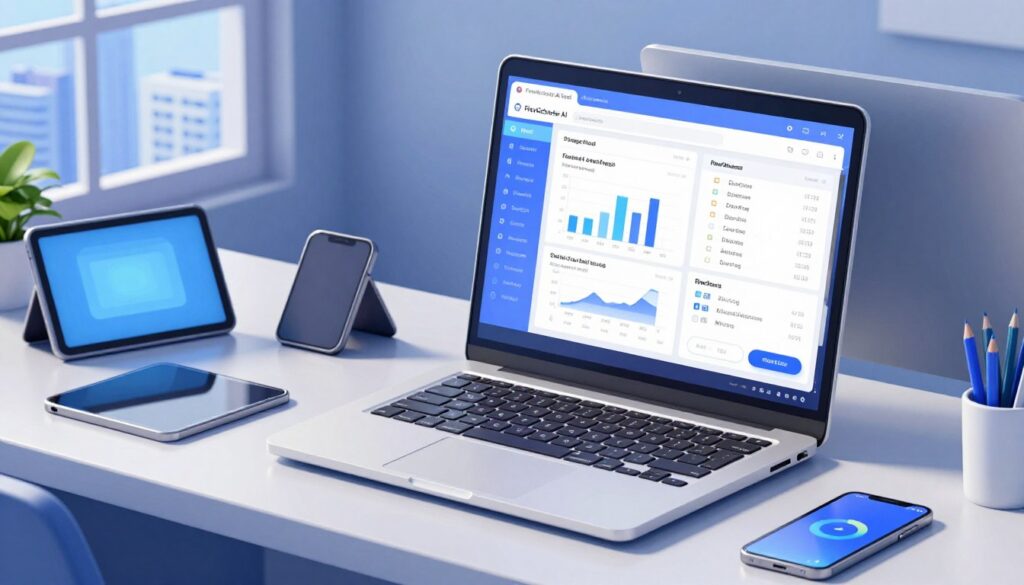
### FlowScholar: AI-Powered Assignment Organization
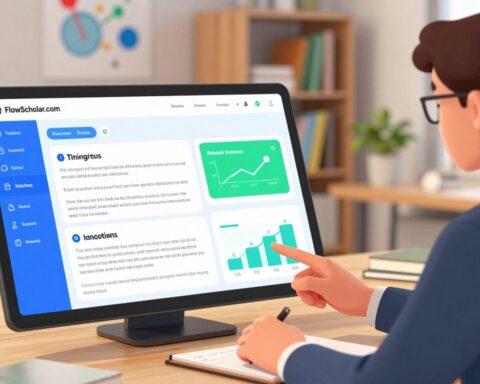
FlowScholar is an innovative AI-powered tool designed to help students manage their assignments more efficiently. By utilizing machine learning algorithms, FlowScholar can analyze assignment details, predict deadlines, and provide personalized recommendations for task prioritization. This tool is particularly useful for students who struggle with organization and time management. With FlowScholar, you can access your assignment list across multiple devices, ensuring you stay on track wherever you are. For more information, visit https://www.flowscholar.com.
### Mobile Apps for On-the-Go Management
Mobile apps offer a convenient way to manage assignments on-the-go. Apps like Todoist, Wunderlist, and Any.do enable users to create and manage their to-do lists, set reminders, and receive notifications. These apps often feature offline functionality, allowing students to access their assignment information even without internet connectivity. When choosing a mobile app, consider the user interface, task management capabilities, and integration with other tools.
Conclusion: Building Sustainable Assignment Management Habits
Developing effective assignment management habits is crucial for achieving academic success and maintaining a healthy work-life balance. To manage assignments efficiently, it’s essential to develop habits that become second nature over time. By implementing a centralized system, categorizing tasks by priority, and utilizing effective reminder systems, individuals can ensure they meet deadlines and achieve their goals. For more insights on optimizing time management, visit effective time management strategies. To accelerate progress, integrating tools like FlowScholar can provide AI-powered support. By adopting these strategies and making them a consistent part of your routine, you’ll not only meet your immediate objectives but also cultivate a sense of accomplishment and confidence that will serve you well throughout your academic and professional journey, helping you achieve your long-term goals in a productive way.
## FAQ
### Q: What is the best way to organize assignments to avoid missing deadlines?
A: Creating a centralized system, such as a digital calendar or a planner, and categorizing assignments by priority is an effective way to stay on track.
### Q: How can I ensure I never miss a deadline?
A: By breaking down large projects into manageable tasks, establishing clear milestones, and setting up an effective reminder system, you can stay ahead of deadlines.
### Q: What is the Pomodoro Technique, and how can it help with assignment completion?
A: The Pomodoro Technique is a time management method that involves working in focused 25-minute increments, followed by a 5-minute break. This technique can help you stay focused and avoid burnout.
### Q: How can I effectively manage large projects?
A: By breaking down large projects into smaller, manageable tasks, and creating a schedule with clear milestones, you can make steady progress and stay on track.
### Q: What are some effective tools for managing assignments?
A: Project management software, digital calendars, and mobile apps can help you stay organized and on track. Tools like FlowScholar can also provide AI-powered assignment organization and reminders.
### Q: How can I work effectively with professors and supervisors on assignments?
A: By communicating clearly and regularly, and seeking feedback and guidance when needed, you can ensure you’re meeting expectations and staying on track.
### Q: What are some strategies for avoiding procrastination when working on assignments?
A: By breaking down large tasks into smaller ones, creating a schedule, and using time management techniques like the Pomodoro Technique, you can avoid procrastination and stay focused.
### Q: How can I ensure I’m using my time effectively when working on assignments?
A: By using a timer and setting clear goals for what you want to achieve in a given time period, you can stay focused and avoid wasting time.