We have all felt it—a product that just clicks, that feels like it understands us. This introduction explains how emotional design in tech makes that first spark and then builds lasting loyalty.
At a practical level, this guide shows how affect shapes perception, choice, and long-term engagement. Don Norman taught that every interface signals personality; people read those cues and form quick judgments. The write-up links those cues to business impact: higher conversion, better retention, and stronger advocacy when an experience feels human and clear.
Key Takeaways
- Emotional design offers a strategic edge from first impression to loyalty.
- Interfaces always convey a brand personality—intentionally or not.
- Affective cues boost satisfaction, memorability, and preference among users.
- Practical steps move teams from core function to polished moments.
- Ethical application prioritizes well-being, inclusivity, and trust.
- Case studies show measurable results when feeling and function align.
What Emotional Design Means Today for UX and Product Teams
Modern product teams now treat affect as a measurable layer that shapes how people judge usefulness and value.
From usability to feelings: good practice now blends core functionality with moments that create positive memories. Positive feelings boost perceived ease, satisfaction, and recall. Apple’s approach shows how strong feelings can turn users into advocates. Games like The Legend of Zelda and apps such as Headspace show how careful moments motivate repeat use.
Why informational intent matters: teams must explain the why behind choices. Clear rationale ties tone, visuals, and microinteractions to retention, referrals, and business outcomes. This makes emotional work a strategic investment rather than a cosmetic add-on.
Practical shifts for teams
- Broaden success metrics to include satisfaction, memorability, and brand affinity.
- Frame polish as risk reduction: fewer frustrated users and lower abandonment.
- Use a shared vocabulary—calm, confidence, delight—to guide critiques and roadmaps.
- Design for moments (first launch, solved error, milestone) rather than only flows.
| Focus | What to Measure | Business Impact |
|---|---|---|
| Usability | Task success, time-on-task | Lower support costs, higher conversion |
| Affectionate Moments | Satisfaction, memorability, net promoter | Increased retention, stronger advocacy |
| Tone & Brand | Perceived trust, brand affinity | Better campaign lift, consistent cross-channel feel |
Ultimately, teams must ask not only “Can the user complete the task?” but “How will people feel before, during, and after?” Framing choices this way aligns UX, marketing, and product strategy toward lasting preference and growth.
For a deeper primer on theory and practice, see emotional design resources.
The Three Levels of Emotional Processing: Visceral, Behavioral, Reflective
Distant judgment happens fast: users notice look, motion, and tone before they try a single task. The three levels offer a practical map for teams to match cues with outcomes and reduce mixed signals.
Visceral level: first impressions, look-and-feel, and sensory cues
The visceral level governs snap judgments. Visual harmony, rhythm, and sound set an expectation. Poor visuals can block users from trying the product at all.
Behavioral level: ease, control, and satisfaction in task flows
The behavioral level is where usability proves itself: clear affordances, predictable feedback, and smooth flows build competence and trust. Small frictions here erode confidence quickly.
Reflective level: meaning, value, identity, and brand bonds
The reflective level links outcomes to identity—people ask what a product says about them. Meaningful wins convert short-term wins into lasting attachment and advocacy.
Designing for all three levels to elevate user experience
Plan across levels: map screens to visceral, behavioral, and reflective cues so first impressions are fulfilled by function and reinforced by meaning.
- Use onboarding to bridge visceral to behavioral: promise, then deliver.
- Celebrate milestones to move users from behavioral success to reflective value.
- When engagement dips, diagnose which level is failing and iterate precisely.
For a concise primer on Norman’s model, review his original summary here.
Affective Interfaces: Designing for Emotional Responses in UI
Subtle shifts in tone, motion, and copy change how users decide and act. Affective interfaces use sensory cues to shape momentary states—calm, urgency, or confidence—that steer behavior without altering core function.
Research, including a 2017 thesis from the University of Saskatchewan, shows these cues can change human emotion and bias decisions. When teams match feeling with clear intent, the result is stronger loyalty and measurable business impact.
What makes an interface affective and why it changes decisions
Affective interfaces combine visuals, motion, and microcopy to evoke targeted states. Warm visuals and encouraging copy lower cognitive load and reduce abandonment.
Aligning emotional cues with product and business goals
- Map target states to objectives—reassurance for onboarding, momentum for adoption, delight for sharing.
- Run A/B tests on microinteractions to calibrate conversion without eroding trust.
- Prioritize transparency: signals that nudge must respect user agency.
| Goal | Target State | UI Signal | Expected Impact |
|---|---|---|---|
| Onboarding | Reassurance | Calm color palette, step progress, friendly microcopy | Higher completion, lower churn |
| Feature Adoption | Momentum | Animated affordances, brief success messages | Faster task uptake, increased usage |
| Referral & Sharing | Delight | Playful reward cues, share prompts | More referrals, higher NPS |
Foundations First: Functionality, Reliability, Usability, Then Pleasurability
A clear hierarchy of needs keeps features useful, stable, and enjoyable. Aaron Walter’s four-tier model makes a simple claim: solve the job first, then earn the right to delight.
A four-tier model for dependable, delightful experiences
Start with core capability. Functionality must exist: the product should complete its core task reliably. Without that, polish feels shallow.
- Functionality: the product solves a real job consistently.
- Reliability: stable performance builds trust and prevents negative associations.
- Usability: clear navigation and error handling convert capability into confidence.
- Pleasurability: earned moments of delight amplify satisfaction and memorability.
When to layer delight without masking core issues
Teams should resist shipping polish to hide broken fundamentals. Fix reliability and usability gaps before adding microinteractions or celebratory animation.
Measure improvements tier by tier, communicate these principles to stakeholders, and use analytics to triage whether failures are functional, reliability-based, or usability-related. When the base is solid, targeted delight increases return visits and lasting preference among users.
Research to Reality: Understanding Users’ Emotions and Mental Models
Observing people where they work and live helps teams capture how users actually feel while using a product.
Field methods—diaries and ethnographic visits—record context and trigger points. These methods reveal real feelings at the moment they occur. Short diary prompts and brief home visits surface habits that lab tests miss.
UX research methods that capture feelings
- Prioritize in-context methods: diaries and field studies capture authentic reactions where they happen.
- Apply sentiment analysis to survey replies and support logs to spot patterns at scale.
- Combine qualitative narratives with usage metrics to validate where to act.
Mapping emotional journeys across key interactions
Emotional journey maps tie mood, confidence, and motivation to specific interactions. Map onboarding, checkout, error states, and milestones to find highs and lows.
| Phase | Signal | Action |
|---|---|---|
| Onboarding | Confused clicks, short sessions | Clarify steps; add friendly microcopy |
| Checkout | Drop-offs, frustrated messages | Reduce steps; reassure with progress markers |
| Error states | Anxiety, repeated retries | Offer clear recovery and contextual help |
Translate insights into hypotheses—which microcopy, visuals, or timing shifts could turn a low point into a positive one? Segment by mindset as well as demographics; different mental models require different support.
Close the loop: test changes with the same users and document outcomes in a research repository. Treat emotions as first-class data and tie findings to product goals.
For deeper frameworks and reading, consult emotional design resources.
Design Elements That Drive Emotional Connection
Visual choices set an instant mood; they tell users what to expect before a single tap.
Color, typography, and imagery form the visual system that anchors tone and signals personality. Strategic palettes—trustworthy blues for finance, playful palettes for creative tools—help users form quick judgments. Type hierarchy and photography style reinforce that personality across screens.
Motion, microinteractions, and sound
Motion rewards progress and clarifies state changes. Microinteractions reduce uncertainty by providing timely feedback.
Sound, used sparingly, can confirm success or signal urgency; subtle cues avoid fatigue and preserve trust.
Voice, microcopy, and storytelling
Voice and microcopy convey empathy and intent. Consistent, friendly copy reduces ambiguity during complex flows—Slack’s tone is a practical model.
Storytelling patterns—set-up, tension, payoff—help users visualize outcomes and stay motivated. Use mascots or narrative frames to make features memorable without distracting from tasks; Mailchimp’s Freddie is a clear example.
- Align elements with emotional goals: calming palettes for finance, playful touches for creative apps.
- Progressive enhancement ensures core flows work when motion or sound is off.
- Audit tone across web, mobile, and email to keep personality coherent.
Validate choices with users and retire flourishes that confuse. For further reading on theory and practice, see emotional design resources.
Patterns That Spark Loyalty: Personalization, Gamification, and Delight
Small, repeatable patterns can turn casual users into loyal advocates. Teams that combine tailored recommendations, progress cues, and small surprises create stronger bonds and measurable loyalty. This blend also reflects core principles of emotional design without masking function.
Personalized recommendations and moments of recognition
Personalization shows recognition and boosts connection. Spotify’s Wrapped and Discover Weekly are good examples: they make a user feel known and eager to return.
Badges, streaks, and progress as positive reinforcement
Gamified cues—badges, progress bars, streaks—create helpful connections between action and reward. Fitbit uses milestones and supportive nudges to keep people on track and improve satisfaction with the app.
Easter eggs, pleasant surprises, and humane error states
Delight can live in small places: playful successes, hidden treats, and kind error messages reduce friction. When things break, clear recovery steps and warm copy turn frustration into goodwill for users.
- Be transparent: let users control personalization.
- Align rewards: celebrate meaningful milestones, not vanity metrics.
- Tune pacing: make progress feel achievable and fair.
Best-in-Class Examples of Emotional Design in Tech
Real products earn trust through consistent storytelling, clear cues, and moments that feel human. The examples below show how narrative, feedback, and personalization shape behavior and loyalty.
Airbnb: trust, belonging, and social proof
Airbnb uses warm photography, guest stories, and layered reviews to lower decision anxiety. Personalized suggestions and curated narratives build a sense of belonging that converts browsing into bookings.
Fitbit: gamification and supportive nudges
Fitbit turns movement into measurable progress. Badges, streaks, and uplifting prompts make health goals feel attainable. These features reward small wins and sustain daily habits.
Slack: personality-rich copy and seamless workflows
Slack blends witty microcopy with a helpful assistant, Slackbot, to guide setup and resolve friction. Integrations and clear affordances keep teams productive while preserving a distinct brand personality.
Spotify: hyper-personalization and shareable recaps
Spotify’s tailored playlists and yearly Wrapped create personal narratives for listeners. The app’s recommendations and shareable summaries turn listening history into a social asset that users enjoy and spread.
More signals in the wild
Apple, Coca-Cola, Dyson, Zelda, Headspace, GEICO, Threadless, Squarespace — each shows how product cues and story-driven features craft memorable experiences across categories.
Applying Emotional Design in Apps and Interfaces
Teams turn theories into habit by weaving reassurance, control, and swift responses into everyday screens.
Translate principles into onboarding, navigation, and feedback by making first runs obvious and useful. Pair clear guidance with empathetic microcopy so new users find value fast.
Structure navigation to promote control. Predictable patterns, visible progress, and simple paths reduce cognitive load and lower abandonment.
Deliver immediate, informative feedback. Success states should celebrate completion; recoverable errors must offer a clear next step. These interactions keep momentum and build trust.
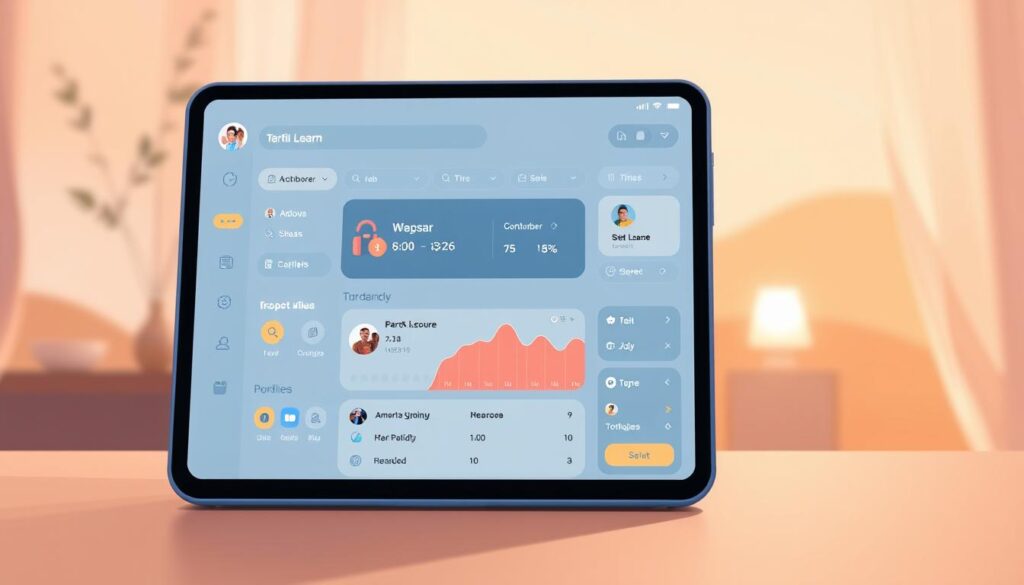
Consistency across web, mobile, and brand touchpoints
Use a shared component library that includes tonal rules: voice samples, motion tokens, and visual tokens. This keeps brand cues aligned as teams add features.
- Apply progressive disclosure to avoid overwhelm and boost usability.
- Design empty and loading states as opportunities to connect, not as afterthoughts.
- Instrument flows to flag where interactions create friction; iterate based on data.
“Good practice moves from function to feeling by design, while keeping users’ needs central.”
When teams sync visuals, language, and motion, cross-device transitions feel natural and foster stronger connections.
Measuring Emotional Impact and Business Outcomes
Linking reported mood to real behavior makes it possible to test what truly moves users. Teams that quantify feeling find clear paths from moments of delight to concrete business impact.
Qual and quant: emotion metrics, sentiment, and retention
Start by defining target states—confidence, calm, or trust—and map each to a behavioral proxy. For example, completion rate, fewer support tickets, and higher repeat visits are tangible signs of improved satisfaction.
Correlating positive emotions with engagement, loyalty, and revenue
Combine interviews and diaries with CSAT, NPS, sentiment analysis, cohort retention, and feature adoption. Use controlled experiments and post-task affect ratings to measure uplift from copy, motion, or flow changes.
- Segment by persona and context to find where cues work best.
- Create dashboards that place emotional indicators beside KPIs.
- Encourage cross-role hypotheses—let designers and analysts iterate together.
| Measure | Signal | Business outcome |
|---|---|---|
| Sentiment score | Positive mentions, CSAT | Higher repeat purchases, lower churn |
| Behavioral proxy | Completion, reduced support | Improved conversion, cost savings |
| Retention cohort | 30/90-day return rate | Increased subscription renewals, greater loyalty |
| Post-task affect | User-self report | Better user experience, more referrals |
“Measure feelings with the same rigor as performance—then act on what the data reveals.”
Ethics, Inclusivity, and Respect in Affective Design
Ethical use of affective cues begins by asking whether a nudge helps people make better choices, not just faster ones.
Teams must prioritize well-being over short-term gains. When prompts influence decisions, transparency and consent protect trust. Disclose why recommendations appear and how they work; clear signals reduce confusion and raise accountability.
Designing for well-being, not manipulation
Aim for support, not coercion. Offer controls for frequency and intensity of notifications so users keep attention under their control.
Avoid dark patterns: don’t exploit fear, scarcity, or FOMO. Establish ethical review steps for flows that affect high-stakes outcomes and document decisions as firm principles.
Accessibility and cultural sensitivity in emotional cues
Build accessibility into affective elements: high contrast, readable type, captions for audio, and motion preferences so intended feelings reach more people.
Consider cultural context—colors, gestures, and humor alter impression across regions. Include diverse participants in research to find unanticipated reactions and preserve human dignity during errors and downtime.
“Respectful practice turns persuasion into service and preserves long-term connections.”
Emotional Design in Tech: Turning Principles into Practice
A focused checklist bridges user research, microcopy, and motion into repeatable outcomes. This section gives teams an operational roadmap to move from insight to consistent product moments.
Team checklist: from research to copy, visuals, and microinteractions
Start with a research plan that captures feelings in context—diaries, field notes, and sentiment signals. Synthesize those findings into clear opportunity areas and testable hypotheses.
- Create an experience personality: set voice, visuals, and motion to match brand strategy and audience expectation.
- Flow checklist: desired state, supporting elements, metrics, and accessibility rules for every core path.
- Copy and microinteractions: concise, empathetic copy that reinforces visuals and motion.
- Validate basics first: confirm functionality and usability before layering polish.
Operationalizing: guidelines, patterns, and design reviews
Codify tone, motion tokens, and microinteraction patterns with examples and anti-patterns. Schedule design reviews that include criteria for coherence across levels and ethical alignment.
- Partner with engineering to set performance budgets and user controls for motion and sound.
- Train cross-functional teams so product, marketing, and support preserve a consistent connection users can trust.
- Close the loop: instrument flows and let designers create a cadence of tests to track outcomes and iterate.
“Operational rules turn good intent into reliable, measurable moments.”
Conclusion
Success comes when function, clarity, and personality align across every interaction.
Teams that layer visceral, behavioral, and reflective work create cohesive user experiences that drive adoption and loyalty. Start with reliable functionality and usability; then add tone, microcopy, and motion that reinforce meaning.
Case studies—Airbnb, Fitbit, Slack, Spotify—show how personalization and storytelling turn products into shared experiences. Measure outcomes: satisfaction, retention, and feature adoption guide iteration.
Ethics matters: empower choices, respect attention, and include diverse people during research. A repeatable loop—research, hypothesize, build, measure—lets designers create interfaces that scale with clarity and integrity.
FAQ
What does "vibe coding" mean for product teams?
Vibe coding describes designing interfaces and interactions that deliberately shape users’ feelings. It blends visual tone, microcopy, motion, and feedback to create coherent impressions that support usability and brand goals. Teams use it to align product behavior with desired user responses—trust, delight, calm—while keeping core functionality dependable.
How does this approach expand the definition of good user experience?
Good experience now includes both task success and how people feel while they complete tasks. Beyond usability and performance, teams must consider sensory cues, conversational tone, and meaning. This shift moves product work from purely functional to holistic: solving problems while shaping memorable impressions that drive loyalty.
What are the three levels of emotional processing designers should target?
The model breaks into visceral, behavioral, and reflective levels. Visceral covers first impressions and sensory appeal. Behavioral focuses on ease, efficiency, and satisfaction during tasks. Reflective concerns the product’s meaning, value, and how it connects to identity and brand. Effective products address all three.
How do visceral cues affect user decisions?
Visuals, typography, color, and initial motion set a rapid assessment of credibility and tone. Those cues shape whether users trust the interface enough to proceed. Clear sensory alignment with brand purpose reduces friction and increases the likelihood of continued engagement.
When should teams prioritize functionality over pleasurable features?
Foundations—functionality, reliability, and usability—must come first. Only after core issues are solved should teams layer delightful elements like microinteractions or playful copy. Adding charm too early risks masking usability problems and eroding long-term trust.
What research methods capture users’ feelings effectively?
Combine diary studies, in-context field research, and sentiment analysis to surface emotional patterns. Usability tests reveal behavioral responses; longitudinal diaries and interviews track reflective meaning. Together they map where feelings shift across the journey.
Which UI elements most reliably drive emotional connection?
Color palettes, typography, imagery, motion, and microcopy work in concert. Motion and microinteractions provide timely feedback; voice and tone in copy create empathy; storytelling elements build motivation and trust. Consistency across these elements reinforces personality.
How can personalization and gamification increase loyalty?
Personalization creates moments of recognition that make users feel seen; gamification—badges, progress, streaks—leverages positive reinforcement to build habit. When thoughtfully applied, these patterns boost engagement without undermining user autonomy.
What are clear examples of excellence to study?
Airbnb shows narrative-driven trust and belonging; Fitbit pairs nudges with supportive gamification; Slack uses personality-rich copy and helpful automation; Spotify delivers deep personalization with Discover Weekly and Wrapped. Studying these products reveals tactical ways to align emotion with product goals.
How do teams translate principles into concrete UX work?
Start with a checklist that links research insights to copy, visuals, and interactions. Prototype microinteractions, test tone, and validate through metrics. Operationalize via design guidelines, pattern libraries, and regular design reviews to maintain consistency across platforms.
Which metrics show emotional impact on business outcomes?
Combine qualitative signals—sentiment scores, user stories—with quantitative metrics like retention, task completion, and Net Promoter Score. Correlate positive sentiment with engagement and revenue to justify investments in affective features.
How can teams design responsibly when targeting feelings?
Prioritize wellbeing and informed consent. Avoid manipulative nudges; design inclusive cues that respect accessibility and cultural differences. Test across diverse user groups and ensure emotional triggers support users’ goals rather than exploit vulnerabilities.
How do voice and microcopy influence user perception?
Tone sets expectations and reduces anxiety. Clear, empathetic microcopy explains state changes, guides tasks, and humanizes errors. When consistent with visual personality, it strengthens brand bonds and improves perceived reliability.
What role does motion play in producing joy without distraction?
Motion should be purposeful: provide feedback, indicate progress, or draw attention to changes. Short, subtle microtransitions can delight and clarify flows without interrupting tasks. Keep timing and ease in mind to avoid cognitive overload.
How do teams ensure accessibility while crafting mood and personality?
Use contrast, legible type, and clear semantics. Supplement visual cues with text and audio alternatives. Validate color choices and motion effects with assistive-technology testing and include diverse users early in research.
What common mistakes sabotage emotional strategies?
Rushing to add delightful features before fixing core UX, inconsistent tone across touchpoints, and relying on gimmicks rather than meaningful value. These errors break trust and reduce long-term retention.
How should product leaders measure readiness to scale affective features?
Confirm stable core metrics—uptime, task success, and error rates—then validate prototypes with target users for emotional impact. Only scale patterns that show improved satisfaction and measurable engagement without harming accessibility or performance.