On a farm, a limp or shy animal can tell a big story. Farmers notice these signs early, like a drop in appetite or a change in how they walk. They know missing these signs can cost a lot.
This article talks about how Vision AI can help. It turns quiet signs into clear alerts early on, before problems get worse.
Vision AI is a smart way to watch over livestock health. Tools like Nedap SmartSight check how animals move and find lameness early. This can save weeks and about $45 per cow each year.
When people miss lameness, AI helps catch it. This makes animals healthier and helps farms make more money.
Vision AI also looks for fever, checks body condition, and watches how animals eat. In farming, AI helps with water and crop management too. This makes food safer and uses less resources.
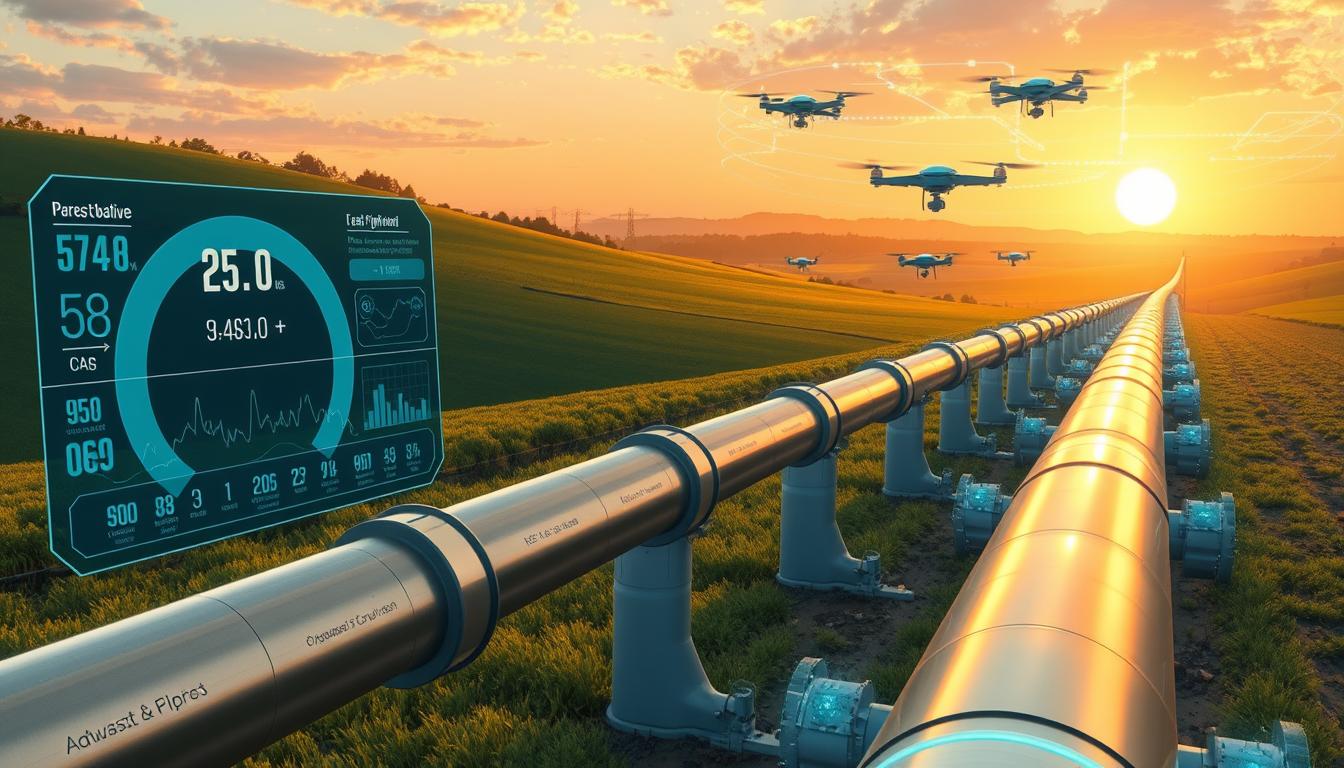
AI is used in many ways, like with drones to count cattle or dashboards that connect with farm software. It makes monitoring animals constant and based on facts. Farms that want to be strong and make money use these tools a lot.
To learn more about how AI helps animals and farms, check out this summary: AI livestock monitoring and animal welfare.
Key Takeaways
- Vision AI technology for livestock converts visual cues into early health alerts, improving response times.
- Automated lameness detection can shorten recovery and save on treatment and production losses.
- Integrated systems combine cameras, thermal sensors, and wearables for complete livestock health monitoring.
- AI in livestock management supports sustainability goals and operational efficiency across farm types.
- Real-world deployments show strong accuracy and practical use with farm software and workflows.
Introduction to Vision AI in Agriculture
Vision AI is changing farming by making video and image data useful. Farmers and tech teams use it to watch over animals and find small changes. This helps them act fast to help the animals.
Overview of Vision AI Technology
Computer vision uses cameras and neural networks to track animals. It works well in different conditions. It can tell animals from the background and count them accurately.
Tools like Nedap SmartSight use machine learning to check how animals move. This helps find sick animals early. It also helps with managing crops and resources on farms.
Importance of Livestock Health Monitoring
Finding sickness early helps animals and saves resources. Vision AI helps by watching animals all the time. It tracks how they move and eat.
AI connects camera data with farm management systems. This helps in treating animals better and using resources wisely. It makes farms stronger and helps feed more people.
Benefits of AI for Livestock Health
AI changes how we care for animals on farms. It turns watching them into useful information. This helps make better choices, saves resources, and focuses on animals that really need help.
Improved Disease Detection
Spotting diseases early is key. AI systems like SmartSight can catch small changes in how animals walk. This can cut down on sick time by about 40 days.
It also helps keep milk production and fertility up. And it makes treatment faster. This way, AI stops many problems before they get worse and cost a lot.
AI watches videos and looks for signs of sickness like fever or coughing. It finds these signs before they are obvious. This makes it easier to keep animals healthy and avoid having to get rid of them too soon.
Enhanced Productivity and Growth
AI helps feed and water animals just right. It figures out how much they need. This means animals grow better and faster.
AI also helps pick the right animals for breeding. It keeps track of how well animals are doing. This helps farmers make better plans for their herds.
Cost Savings in Veterinary Care
AI helps keep animals healthy and avoid vet visits. It alerts farmers to problems early. This means animals get better faster and need less medicine and care.
Farms save money when AI finds problems before they get worse. It also helps farmers plan better. This means they use less food and spend less on labor and medicine.
Key Technologies in Vision AI
Vision AI for livestock uses smart models, image sensing, and data pipelines. These parts turn camera feeds into useful insights for farmers. They help monitor without making things too hard for farmers.
Machine Learning Algorithms
Machine learning helps spot illness or stress in animals. Companies like Nedap use real farm data to train models. This makes them good at finding lameness over time.
There are many types of models, from simple to complex neural networks. The right one depends on the task and data. Some models work right away, while others get better with more data.
Image Recognition and Analysis
Image analysis turns pictures into important information. It looks for things like estrus postures and abnormal gait. High-definition cameras and drones help with this.
Systems use different types of cameras to measure color, heat, and shape. For more on this, check out this review on automated monitoring in livestock systems.
Data Processing Capabilities
Data processing connects real-time insights to long-term trends. Edge computing helps make quick decisions on-site. Cloud platforms keep records for training and checking models.
APIs let Vision AI work with farm management systems. This helps with feeding, treatment, and planning. Models can be very accurate if they’re trained on many environments and updated often.
Application of Vision AI in Livestock Monitoring
Vision AI makes farm work easier. Companies like SmartSight and Folio3 use cameras to help. They track animals’ health and habits.
Real-time Health Status Assessment
Cameras and sensors watch animals closely. They check how they move and look. SmartSight finds sickness early, saving money and time.
Behavioral Analysis and Detection
AI looks at how animals act and feel. Folio3 uses cameras and sensors to understand them. It knows when they eat, sleep, or play.
Automated Health Alerts
AI sends alerts when animals need help. It counts them and watches for odd behavior. This helps farm workers know what to do first.
AI also helps keep farms safe. It watches the borders and finds sickness early. This means farms can act fast and keep everyone healthy.
- Continuous scoring: objective measures replace subjective notes.
- Contextual alerts: environment and behavior shape recommendations.
- Integration: tools link with herd records for streamlined operations.
Use Cases in the Field
Vision AI is now used every day on farms. This section talks about real uses that help animals and farms work better. It aims to show how Vision AI helps in monitoring livestock health.
Case Study: Dairy Farms
Dairy farms struggle with lameness and health issues. Nedap SmartSight uses Vision AI to watch how cows move. This helps find lameness early.
Early use of Vision AI has led to fewer serious cases. It also keeps milk production high and helps with fertility.
Field data shows that acting fast saves money and keeps production up. Vision AI finds lameness 48 hours before humans do. Farms treat cows faster and use less antibiotics.
For more details, check out a practical deployment overview at this resource.
Case Study: Beef Cattle Operations
Beef farms need to watch over a lot of land and animals. Folio3 used drones and AI to count cattle over big areas.
AI was over 99.5% accurate in counting. This saved labor and gave farms quick updates on cattle. It helped manage pens and made decisions faster over 14 farms and 250,000 animals.
Case Study: Poultry Farms
Poultry farms are very crowded and change fast. Vision AI watches how birds move and finds health issues early. It also spots problems with food.
AI for poultry looks at how birds act together and uses heat maps. This helps keep farms safe and uses resources well. Finding problems early helps keep birds healthy and productive.
These examples show how Vision AI helps in different ways. It leads to faster help, less cost, and better work. Each story shows how Vision AI makes farms better.
Challenges in Implementation
Using vision-based systems on farms is promising but also has challenges. People need to think about technical limits, costs, and how humans will use it. Here are some common problems and ways to make things easier.
Initial Setup Costs
Starting a project can be expensive. You need cameras, sensors, servers, and more. Companies like Nedap offer solutions, but setting up with old systems is costly.
Farms in remote or dry areas need good power and internet. These costs are high at first but help in the long run.
Data Privacy Concerns
Collecting lots of video and data is a big deal. You need rules for who owns the data and how it’s kept safe. This helps avoid problems and keeps the data useful.
Learning from big companies can help. Use encrypted storage and keep records of who accesses what. This makes sure data is safe and useful for animal health.
Farmer Education and Training
Some farmers are hesitant to try new things. Teaching them how to use AI is key. They need to know how to use the tools, keep them working, and fix simple problems.
Workshops, demos on farms, and ongoing help speed up adoption. Partnerships and affordable pricing make it easier for farmers to learn and start small.
- Mitigate weather and lighting: plan camera placement and protective housings to limit dust, fog, and glare.
- Ensure connectivity: assess internet options and local caching to handle intermittent networks.
- Define data rules: set retention, access, and sharing policies before deployment.
Guides and examples can help with starting a project. For more information, check out AI in agriculture. It has details on how long projects take, how vendors work, and how to see if it’s worth it.
Integrating Vision AI with Existing Systems
Using vision AI needs careful planning. This keeps workflows smooth and data safe. Companies like Nedap show how Vision AI fits into current systems. It makes things easier for farmers and gives them quick insights.
Compatibility with Management Software
It’s important for vision AI to work with farm management software. This makes it easier to use and get a good return on investment. Systems that work well together help farmers manage their farms better.
Designers should test everything from start to finish. This shows where data might be missing or not match up. Using what’s already there makes things easier for everyone.
Data Sharing with Veterinary Services
Sharing data with vets quickly helps them make better decisions. Vision AI sends important information like how animals move and their health history. This lets vets focus on the most important cases.
Secure ways to share data keep everything private. But they also help vets respond faster and make better choices for animals.
Enhancing Current Monitoring Practices
Adding vision AI to what farmers already do makes things better. It helps spot problems and trends. Farmers can then make changes to care for their animals better.
Working with AgriERP makes things even easier. It helps with things like feeding and breeding plans. This saves time and lets farmers focus on important decisions.
| Integration Aspect | Practical Benefit | Implementation Tip |
|---|---|---|
| Compatibility with farm management software | Preserves workflows and historical data, lowers training needs | Adopt open APIs and test data mapping against live records |
| Data sharing with veterinarians | Faster interventions and better-targeted treatments | Enable role-based access and standardized report formats |
| Integration of Vision AI with AgriERP | Aligns health metrics with financial and operational plans | Sync health alerts with feed, breeding, and compliance modules |
| AI in livestock management | Improves detection accuracy and continuous monitoring | Combine vision outputs with predictive analytics for trend detection |
Future Trends in Livestock Health Monitoring
Vision systems are becoming more than just tools. They are turning into platforms for the whole farm. Sensors, cameras, and edge processors will work together to give us constant insights.
This change means we can respond faster, waste less, and care for animals better. It will help both small family farms and big ranches.
Advancements in AI Technology
AI models are getting better thanks to more data and stronger tech. Companies like Nedap are leading the way. They help find illnesses early and cut down on false alarms.
Edge computing and strong cameras will bring processing closer to the animals. This will make things faster and save bandwidth.
Increased Adoption Rates
More money and plans are making farmers use AI more. Predictive analytics and drones show how AI can save resources. This is making more farmers want to use AI.
These changes will help AI become more common in farming. It will work well in different places and climates.
Potential for Personalized Livestock Care
Systems will soon track each animal individually. By using RFID, weight data, and health records, we can make care plans for each animal. This means better care and less waste.
Advancements in AI livestock monitoring
Platforms will combine vision, telemetry, and farm management software. This will give vets and managers tools to make quick decisions. It will lead to better care, smoother operations, and more productivity.
These changes show a bright future for Vision AI in livestock. We’ll have smarter models, more use, and care that’s all about the animal. Farmers will be able to act faster and manage their herds better.
Regulatory and Ethical Considerations
Vision AI on farms needs clear rules and best practices. This short section outlines steps to protect animals, secure data, and keep systems compliant while enabling innovation.
Governments in the United States and abroad are making policies. These policies cover sensor use, data sharing, and herd-level interventions. They will mention Livestock biosecurity with Vision AI to limit disease spread and set standards for on-farm surveillance equipment.
Enterprise security measures are key to meeting regulatory demands. Folio3-style controls — encrypted transmission, secure cloud storage, and role-based access — help satisfy audits and privacy rules. These measures support responsible handling of farm records and diagnostic images.
Government Regulations on AI in Agriculture
Federal and state agencies will give more guidance on Vision AI in food systems. Policy priorities include traceability, biosecurity, and clear incident reporting for disease events. Farmers should review USDA and state extension materials when planning installations.
Grant programs and public-private partnerships can help adoption when they tie funding to compliance. Strong regulatory frameworks reduce risk and build public trust, while leaving room for iterative improvements in the field.
Ethical Implications of Data Usage
Ethical data use means being open with workers and partners about what gets recorded, why it is collected, and who can access it. Producers benefit from documented consent practices and clear retention policies.
Systems must implement practical controls to uphold Ethical data usage in agriculture: purpose limitation, access logs, and anonymization where feasible. These controls guard farmer privacy and the confidentiality of production metrics.
Balancing Technology and Animal Welfare
Framing Vision AI as a welfare tool helps address public concern. SmartSight-style deployments show how monitoring reduces severe lameness and unnecessary culling by enabling earlier care.
Design choices should prioritize Animal welfare and Vision AI: automated alerts must prompt human assessment, not replace it. Farm teams remain responsible for hands-on care and clinical decisions.
| Area | Key Action | Primary Benefit |
|---|---|---|
| Regulatory alignment | Review USDA guidance and state rules; document compliance | Clear legal footing; smoother inspections |
| Security controls | Encrypt data in transit and at rest; apply role-based access | Reduced breach risk; easier audit trails |
| Data ethics | Adopt consent notices, retention limits, anonymization | Stronger stakeholder trust; compliance with privacy norms |
| Welfare integration | Set workflows that require human verification of alerts | Better clinical outcomes; fewer premature culls |
| Biosecurity planning | Use Vision AI to monitor movement, symptoms, and hygiene | Improved detection; faster containment of outbreaks |
Adopting these practices supports Regulatory considerations for AI livestock monitoring while honoring Ethical data usage in agriculture. When systems respect Animal welfare and Vision AI principles, they help strengthen Livestock biosecurity with Vision AI across operations.
The Role of Farmers in AI Adoption
Farmers decide to use new tools based on their usefulness and how easy they are to use. They look at how well the tools fit into their daily work. They also check if the tools save money and if it’s easy to teach others how to use them.
Embracing Technological Change
Starting to use new technology in farming is done in small steps. Farmers look for clear savings and better yields. They compare costs and time saved before adding more technology.
Companies that offer easy steps to start, help with different types of farms, and give clear instructions help farmers use Vision AI faster. Seeing how it works at nearby farms also helps.
Community Support and Knowledge Sharing
Sharing knowledge in the farming community helps everyone learn faster and feel safer. Farms and tech groups meet to share tips on cameras and data. This helps everyone understand and use the technology better.
Training on AI must cover how to use it, understand the data, and fix simple problems. Workshops led by experts make complex tools easier to use.
When farmers share their experiences, more farms start using AI. Support from the community, companies, and clear ways to measure success make it easier for farmers to adopt Vision AI.
Conclusion
Vision AI is changing how farms check on their animals. Studies show it finds problems early, makes animals healthier, and saves money. It also cuts down on time spent fixing issues and lowers costs for care.
This technology uses drones and computers to keep animals safe. It works with other systems to predict sickness and improve feeding. This helps farms use less water and food.
More farms will use this technology as it gets better. Tools that make it easier to start using AI are coming. For more info, check out smart animal and livestock management.
In short, investing in Vision AI is a good idea. It helps animals, keeps farms safe, and makes them more productive. It’s a step towards better care for animals and stronger farms.
FAQ
What is "AI Use Case – Livestock-Health Monitoring via Vision AI"?
This use case uses computer vision and machine learning to watch over farm animals. Cameras and neural networks look at video to spot changes in movement, eating habits, or odd behavior. They give scores, indicators, alerts, and data for managing herds.
Products like Nedap SmartSight and Folio3 show how it works in dairy, beef, and poultry.
How does Vision AI technology work in agricultural settings?
Vision AI uses high-definition cameras, edge computing, and cloud systems. Neural networks learn from images to spot animals and behaviors. Edge devices send out alerts right away; cloud systems keep data for analysis.
APIs connect AI with farm management systems for better decisions.
Why is livestock health monitoring important?
It helps find health problems early to keep animals healthy and productive. For example, lameness affects many dairy cows. Vision AI finds these issues sooner, helping animals recover faster and saving money.
What disease- or condition-detection benefits does Vision AI provide?
Vision AI spots lameness, odd gait, feeding changes, and early signs of distress. It checks animals often, like at milking time, to catch problems early. This helps animals recover faster and saves money.
How does Vision AI enhance productivity and growth?
It helps keep milk yield and fertility up by spotting issues early. It tracks animal counts and behavior to optimize feeding and space. For beef, drone and camera systems count animals accurately, helping with planning and reducing waste.
Can Vision AI reduce veterinary and operational costs?
Yes. Finding problems early saves on vet bills, labor, and losses from early culling. Nedap SmartSight saves about per cow per year. Big farms see ROI through lower costs and better production in 1-3 years.
What machine learning and image-analysis technologies power these systems?
These systems use neural networks for object detection and behavior classification. They also use sensor fusion and edge computing for real-time alerts. Cloud systems analyze data and update models for better performance.
APIs help connect AI with farm management systems for better decisions.
How are real-time health assessments and alerts delivered?
Cameras and edge processors check animals all the time. When they find something odd, like lameness, they send alerts. These alerts have video and history to help staff and vets make quick decisions.
Are there practical case examples for dairy, beef, and poultry?
Yes. Dairy: Nedap SmartSight finds lameness early, saving money and improving animal health. Beef: Folio3-class models count cattle accurately, improving planning and reducing waste. Poultry: Vision AI watches flock movement and detects stress or feeding issues.
What are common implementation challenges?
Challenges include high costs, weather, and camera placement. It’s also hard to get reliable internet and power in remote areas. Training staff is key to using the system well.
How much does initial setup typically cost and how quickly do farms see ROI?
Costs vary based on the setup. Small setups might take weeks, while big ones take months. ROI depends on the farm’s size and issues. Most farms see savings and lower costs in 1-3 years.
How do Vision AI systems integrate with existing farm management software?
Modern systems have strong APIs for connecting with farm software. This lets them automate tasks and improve decision-making. Data is shared across systems for better management.
Can Vision AI data be shared with veterinarians and advisors?
Yes. Data can be shared securely with vets for better care. This includes locomotion history and video clips. It helps with remote consultations and treatment plans.
What data security and privacy measures are used?
Systems use encryption and secure storage for data protection. Vendors follow best practices for data handling. Farms should have clear policies on data use and sharing.
How does Vision AI support animal welfare and biosecurity?
Vision AI finds health issues early to help animals. It sends alerts for quick action, reducing suffering. It also watches for biosecurity threats, helping keep farms safe.
Will Vision AI replace farm staff or veterinarians?
No. Vision AI helps staff by automating monitoring. It frees up time for more important tasks. Vets get better data for quicker decisions.
What environmental or operational constraints affect accuracy?
Weather, light, and camera placement can affect accuracy. But, with the right setup and sensors, systems can work well even in tough conditions.
How are models trained and kept accurate across farms?
Models learn from real farm data and get better over time. They adapt to different conditions and breeds. This makes them more accurate for each farm.
Can Vision AI be used in regions with limited connectivity?
Yes. Edge-first systems work well in areas with poor internet. They process data locally and sync with the cloud when possible. This keeps systems running smoothly.
What training do farm teams need to use Vision AI effectively?
Teams need training on camera care, using dashboards, and troubleshooting. Vendors should offer training and support. This helps teams use AI well in their daily work.
How does Vision AI fit into broader agritech and sustainability goals?
Vision AI works with other agritech tools to improve farming. It helps save resources and reduce waste. It supports sustainable farming and food security.
What regulations and ethical considerations should farms consider?
Farms must follow data protection laws and animal welfare rules. They should have clear data policies and ensure AI helps, not harms, animal care. Vendors should offer secure solutions.
What are the next trends in livestock health monitoring with Vision AI?
Future trends include more frequent monitoring and better integration with sensors. This will lead to more personalized care and better farm planning. It will also help with financial planning.
How can farmers begin adopting Vision AI on their farms?
Start by identifying problems like lameness or inventory issues. Try small deployments to see if they work. Choose vendors with good references and training. Roll out slowly and learn from others.