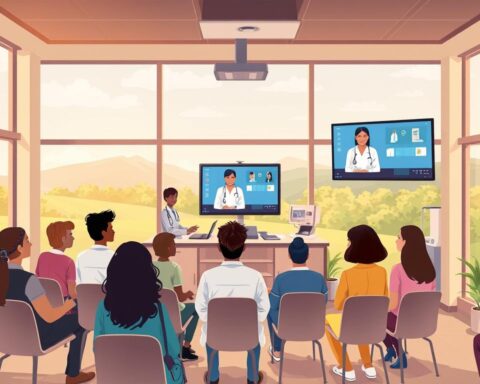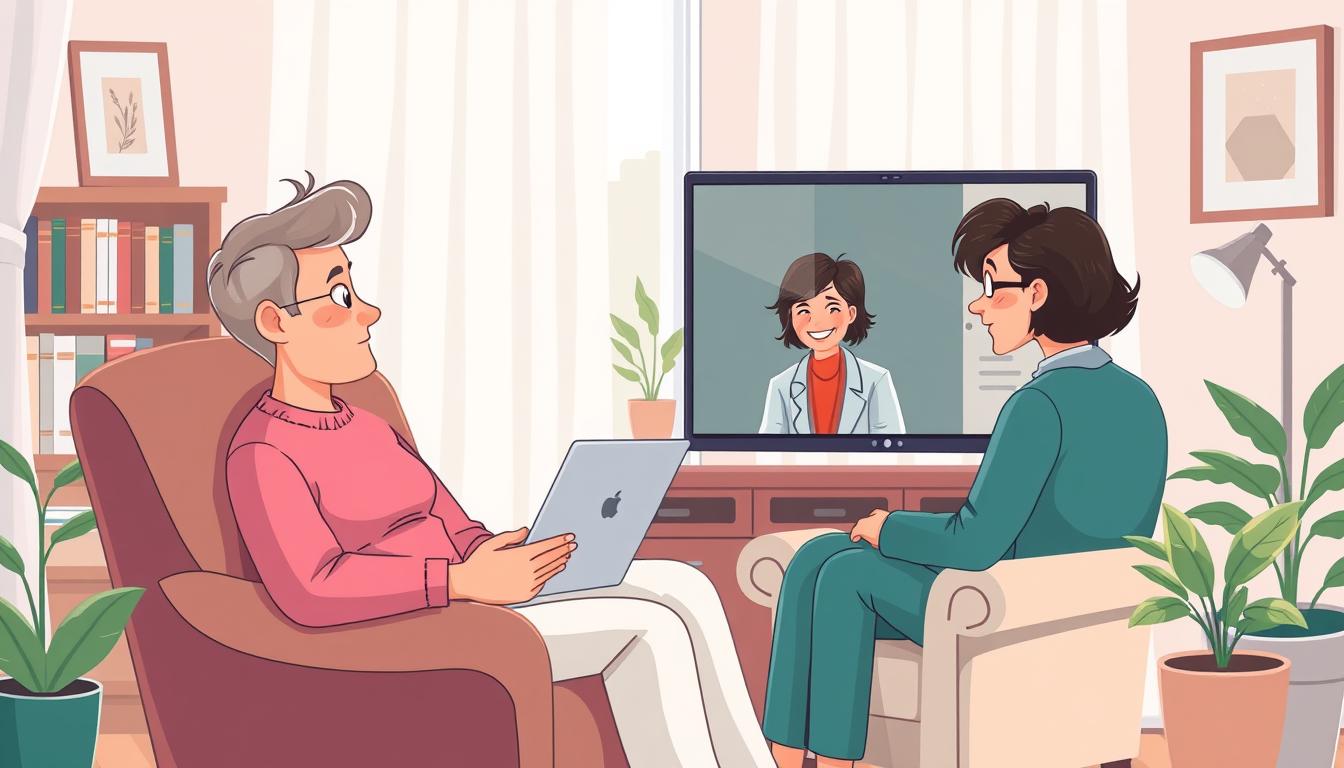
There are times when a quick video call can keep a patient safe. It can stop a hospital visit and keep their dignity. This guide is based on real experiences. Telemedicine is a real way to keep care going, reduce barriers, and meet patients where they are.
This guide shows how telehealth services and virtual healthcare solutions work. It explains how online medical consultations and remote teletherapy fit into a digital health platform. It also talks about the rules for billing, like Medicare’s rules for remote monitoring.
Readers will learn how to make telemedicine work for remote patient counseling. It covers things like devices and coding. It also talks about how to use remote monitoring with chronic care management. There are links to resources like Mayo Clinic’s telehealth overview and insights on AI in healthcare.
Key Takeaways
- Telehealth services expand access and preserve continuity of care through virtual healthcare solutions.
- Medicare billing rules for RPM and RTM shape how remote counseling integrates with monitoring and care management.
- Online medical consultations rely on secure devices, clear workflows, and accurate coding for reimbursement.
- Remote teletherapy options should be designed to complement, not duplicate, traditional care pathways.
- Practical resources and AI-enabled analytics can improve diagnosis speed and personalize treatment plans.
For a practical primer on telehealth adoption and patient-facing tools, consult this overview from the Mayo Clinic and a focused analysis of AI’s role in healthcare strategy.
Mayo Clinic telehealth overview and Miloriano’s AI in healthcare analysis provide useful, evidence-informed context.
Introduction to Telemedicine
The way we get care is changing. Doctors and groups are using telehealth to reach more people. They do this by improving scheduling and keeping care going during tough times.
They mix old ways with new ones. This way, patients get help without having to travel far.
Definition and Overview
Telemedicine means getting medical help from far away. It uses things like video calls and messages. It’s not just for talking to doctors, but also for checking health devices from afar.
Telehealth is a bigger term. It includes health education and tools for managing health records too.
Importance in Healthcare
Telemedicine helps people who live far away or have trouble moving. It keeps care going when it’s not safe to see a doctor in person. Many doctors’ groups say it’s a big help.
It also lets doctors work together better. This makes care even better.
Key Benefits of Telemedicine
Telemedicine is great for many reasons. It means people can see specialists faster. It also saves money on travel and makes waiting shorter.
It helps with mental health and keeping track of chronic diseases. It even lets doctors check on patients from afar.
Groups that use secure systems and follow rules find it works well. It helps with learning, research, and handling emergencies too.
Remote Patient Counseling Explained
Remote patient counseling changes how we get help from doctors. Doctors use video, messages, and data from devices to help patients. This way, they can talk to patients and check on their health from far away.
What is Remote Patient Counseling?
Remote patient counseling uses technology to talk to doctors. It’s like a regular visit but online. Doctors can also use data from devices to help patients with chronic diseases.
Comparison to Traditional Counseling
Remote counseling keeps the important parts of therapy but changes how it’s done. Doctors make sure everything is private and works well online. They might also visit patients in person for some things.
Remote therapy is good for tracking symptoms and teaching patients about their health. But, it’s different because doctors have to check equipment and make plans for emergencies.
Target Patient Populations
Remote care is great for people who can’t get to the doctor easily. It’s good for those with chronic diseases and for mental health support. This way, patients can get help without having to travel far.
Doctors use special plans to decide who gets remote care. When they use devices to help patients, it makes care better and keeps patients involved.
| Patient Group | Clinical Need | Best-fit Modality | Platform Features |
|---|---|---|---|
| Rural adults | Limited access to specialists | Live video counseling | Low-bandwidth support; appointment reminders |
| Older adults with mobility issues | Difficulty traveling to clinics | Home-based teletherapy sessions | Simple user interface; caregiver access controls |
| Chronic disease patients | Need for physiologic monitoring and coaching | Hybrid counseling + RPM | Device integration; automated data flows; billing support |
| Behavioral health clients | Ongoing psychotherapy or SUD support | Regular virtual follow-up | Secure messaging; outcome tracking; e-prescribing |
Technology in Telemedicine
Telemedicine needs many tools to work well. These tools help with video chats, storing data, and linking to patient records. This makes it easy for doctors to care for patients online.
Essential Tools and Platforms
Good video chats are key for online doctor visits. Devices that track health data should send this info to the platform. This helps doctors see how patients are doing and bill them correctly.
A strong digital health platform connects telemedicine to patient records and billing. Companies like Epic and Cerner make this easier. It’s important to choose tools that make setup and reporting easy.
Security and Privacy Concerns
Data must be safe when it’s moving or sitting in one place. Using personal email is not safe for health info. Instead, use encrypted portals or secure fax.
It’s important to follow rules for keeping data safe. Make sure to get consent for tracking health data. Devices used for tracking must meet certain standards.
Accessibility for Patients and Providers
Not everyone can use telehealth because of internet speed, language, or device skills. Offer easy-to-use options and help with setting up devices. This helps more people join in.
Having a good team helps with scheduling and getting ready for visits. Use guides and resources to make sure tools meet real needs. For example, check out this link for ideas on using technology in healthcare.
- Choose platforms that ingest device data and produce usable reports.
- Embed consent flows and patient education into setup routines.
- Provide technical support and low-bandwidth alternatives to widen access.
Regulatory Landscape
The rules for telemedicine are changing and complex. Providers need to understand licensure, federal and state laws, and what payers cover. A checklist helps teams stay safe and keep care quality high.
Licensure Requirements in the US
Clinicians must have a license in the patient’s state to care for them. Hospitals and health systems need to check credentials at both sites. The Federation of State Medical Boards helps with these rules.
Care teams should check if special licenses or waivers apply. Keeping records of licenses and privileges helps when caring for patients in other states.
Federal and State Regulations
Medicare’s rules for telehealth keep changing. They cover remote monitoring and need a patient relationship and consent. Billing uses special codes for devices and time.
State laws differ on what providers can do via telemedicine. Providers should check Medicare rules, state medical boards, and advice from groups like the American Medical Association.
Insurance Coverage Considerations
Medicare pays for remote monitoring under certain conditions. Only one provider can bill for RPM per patient in 30 days. Billing for RPM/RTM can mix with other codes, but must not count time twice.
Private insurance has different rules for telehealth. It’s important to check these rules, keep good records, and follow payer rules to get paid right.
Practical Compliance Checklist
- State licensure and telepractice rules for each patient location.
- Medicare RPM/RTM coding, consent, and documentation requirements.
- Payer policies and reimbursement limits for telehealth services.
- Credentialing, privileging, and host-site agreements for providers.
- Consent procedures, device validation, and data retention standards.
Integrating Telemedicine into Practice
To add telemedicine to your practice, you need a solid plan. This plan should match your clinical goals with what you can do. First, figure out what you need by doing a needs assessment.
Then, pick the right platform and devices. Start small with pilot programs to test and improve. Make sure your goals are specific, measurable, achievable, relevant, and time-bound.
Steps for Implementation
Start by understanding your patients, what you’ll use telemedicine for, and what tech you need. Choose a safe digital health platform and devices that meet FDA standards if you need to monitor patients remotely. Plan out how you’ll work and who will do what.
Make agreements with other groups to share information. Test your setup with a pilot program. Use this time to learn and get better, setting goals that are clear and achievable.
Staff Training and Preparation
Teach your doctors how to talk and write online, and how to bill for it. Practice with them so they feel ready for virtual visits. Make sure your staff knows how to use the tech and set up visits.
Give your staff clear roles and check in often to keep things running smoothly. Make sure their training is linked to improving care.
Best Practices for Patient Engagement
Give patients clear instructions before their visit. Make sure they can understand and use the tech. Teach them how to use devices and follow health plans.
Check in with patients after their visit to make things better. Use telemedicine to make things easier for patients. Share how well it’s working with others, like peer-reviewed studies.
Success comes from having clear rules, the right team, and ongoing training. A good digital health platform helps everyone and makes care better for patients.
Challenges Faced by Telemedicine Providers
Telemedicine has made it easier to get care. But, providers face many challenges. These affect the quality and how well they follow rules. This section talks about common problems and how to solve them.
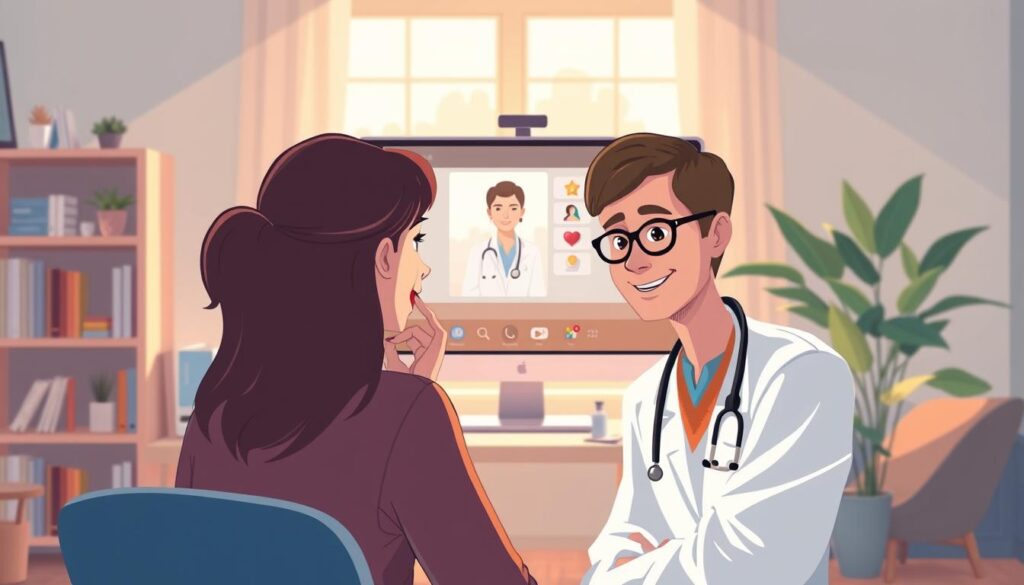
Managing Technical Issues
Issues like dropped connections and devices not working right can stop care. It makes patients upset. It’s important to have a team for tech support and keep track of when things need fixing.
Having a plan for when things go wrong helps. You can switch to a phone call, wait to meet again, or use messages. If you see a lot of problems, having someone just for tech issues can help a lot.
Addressing Patient Concerns
Patients might worry about privacy and if remote care works. They might also wonder if it’s right for them. It’s key to talk clearly about how you keep things private and when you need to see them in person.
Make things easy to understand and offer help in different languages. Let patients choose how they want to talk to you, like video, phone, or messages. This makes them more likely to use your services and trust you more.
Navigating Regulatory Hurdles
Rules from Medicare and states change a lot. Billing is also tricky. You need to keep up with rules on billing and how different codes work together. Getting credentials in different states can be hard too.
Keep good records and make agreements with other places for care. Work with your legal and compliance teams often. Have a list of problems and how to fix them to stay ahead.
- Assign telehealth governance roles to clinical, technical, and compliance leads.
- Implement incident logs and quarterly policy review cycles.
- Create patient-facing materials for online medical consultations and remote teletherapy options.
Ethical Considerations in Remote Counseling
Remote counseling needs both skill and ethics. Clinicians must keep patients safe, private, and accessible. They also need to use digital tools wisely.
Maintaining Confidentiality
Keeping patient info safe online is as important as in person. Use encrypted connections and HIPAA-compliant platforms like Doxy.me or Zoom for Healthcare. Also, keep electronic health records safe.
Don’t use personal email for patient info. Set rules for safe message sharing. Always get permission before recording sessions. Follow rules for storing recordings.
Check who’s accessing patient data regularly. This helps catch any unauthorized use.
Informed Consent in a Virtual Setting
Consent online must cover tech, data, and what to do in emergencies. Explain how the platform keeps info safe. Tell patients what devices they’ll use and privacy limits.
Write consent in the patient’s medical record when you offer remote therapy. Make sure consent covers emergency plans and recording rules. Use templates to keep things clear and consistent.
Cultural Competence in Telemedicine
Cultural competence means understanding language, health literacy, and social factors. Telemedicine works best when it matches patients’ needs and culture.
Offer interpreter services and plain-language materials. Make sure your outreach overcomes connectivity barriers. Design your workflow to work for all patients, no matter their tech skills.
Take steps like building consent templates and training staff. Make sure your education is culturally sensitive. These actions help make telehealth more ethical and accessible.
| Ethical Focus | Practical Steps | Expected Benefit |
|---|---|---|
| Confidentiality | Use encrypted platforms; secure storage; audit access logs; no personal email | Reduced breaches; stronger patient trust |
| Informed Consent | Create consent scripts; document consent in record; explain recordings and emergencies | Clear patient expectations; regulatory compliance |
| Cultural Competence | Provide interpreters; plain-language guides; assess tech access; tailored outreach | Improved access; higher engagement and outcomes |
| Platform Governance | Vendor vetting; regular security reviews; staff training on digital health platform use | Consistent security posture; reliable service delivery |
| Documentation | Standard templates; record consent and technical issues; retain records per policy | Clear clinical trail; easier audits and quality improvement |
Patient Outcomes and Satisfaction
Start by looking at clear numbers that show if things are getting better. Use things like how symptoms change, how well patients follow advice, and how often they need to go back to the hospital. These numbers help us see if telemedicine is working.
Measuring Effectiveness
Make a plan to track how well telemedicine works. Look at how patients feel, what they say, and how often they use services. Small steps help make telehealth better and can help it grow.
Share the good and bad news with doctors and bosses often. Set clear goals and deadlines. This makes it easier to see if telemedicine is really helping.
Patient Feedback Mechanisms
Get feedback from patients through surveys and talking to them directly. Use online tools to make it easier and faster to hear what patients think.
Use what patients say to make things better. Listen, fix problems, and then ask again. This way, patients feel heard and happy with how easy it is to get help.
Long-term Health Benefits
Telemedicine works best when it’s part of a team that helps patients manage their health over time. It also helps people get help for mental health issues, making things better in the long run.
Studies show it really helps. Patients feel better, symptoms get less bad, and they’re happier with how easy it is to get help. For more info, check out this summary.
- Look at both how patients feel and what the numbers say for a full picture.
- Share what you find with everyone involved and use it to make things better.
- Keep making small changes to make telemedicine even better for patients.
Future Trends in Telemedicine
The way we get care is changing. Doctors, managers, and patients are thinking differently about visits and data. The future of telemedicine will focus on making things better for patients.
Innovations on the Horizon
Remote monitoring devices will soon be common. Wearables and sensors will send data to health records. This will give doctors a clearer picture of patients’ health.
Payment models will change to reward good care. Telehealth groups will share knowledge to help doctors learn faster. This will make telemedicine better for helping patients from afar.
The Role of Artificial Intelligence
AI in telehealth will soon be a regular tool. It can sort patients, create plans, and spot early problems. Using AI wisely will help doctors work faster and better.
It’s important to use AI carefully and check it often. Tests will show if AI is safe and works well. Doctors using AI with their own judgment will get the best results.
Evolving Patient Expectations
Patients want quick, safe, and connected care. They want easy-to-use platforms that keep their info private. They also want clear talk and results they can understand.
Health systems that listen to patients and work with them will do better. Training doctors in new tech will help meet patient needs. This will make telemedicine more effective for helping patients from afar.
- Invest in platforms that work together well.
- Try AI-assisted workflows with careful checks and doctor oversight.
- Work with patients to make experiences better, private, and effective.
Conclusion
Telemedicine helps patients get care from home. It makes sure they get the help they need. This way, care is more accessible and ongoing.
It works best with safe online tools and clear rules for patients. This makes sure everyone gets the care they need. Knowing how to bill and follow rules is key.
Starting telemedicine needs careful planning. You must follow state rules and train your team well. It’s important to test it first and learn from others.
Improving telemedicine is an ongoing task. It needs new devices, better payment plans, and AI. This way, more people can get the care they need.
Success in telemedicine comes from teamwork. It’s about following rules and always trying to get better. This way, we can help more people and make care better.
FAQ
What is telemedicine for remote patient counseling?
Telemedicine lets doctors talk to patients over video. It’s like in-person visits but online. It helps with counseling and managing medicine.
How does telemedicine differ from traditional face-to-face counseling?
Telemedicine keeps the same care but online. Doctors check safety and privacy online. Some checks need to be done in person.
Who benefits most from remote patient counseling?
People with hard-to-reach places or chronic conditions benefit. It’s also good for ongoing health support. Programs should pick the right patients.
Which tools and platforms are essential for safe, effective telemedicine counseling?
You need video chats that keep patient info safe. Also, tools for monitoring health online. Make sure devices work well together.
What are the primary security and privacy requirements?
Keep patient info safe with encryption. Use secure ways to send info. Follow rules for keeping patient data safe.
How should providers address accessibility for patients with limited technology access?
Use easy-to-use platforms. Help patients set up devices. Offer phone calls if video is hard.
What licensure rules apply when providing telemedicine across U.S. state lines?
Doctors need the right license for each state. Check with state boards and your hospital for rules.
How do federal and state regulations affect telemedicine counseling services?
Federal rules guide how to bill and what to do. State laws also have rules. Follow both to stay legal.
Will Medicare reimburse telemedicine counseling and remote monitoring?
Yes, for some services. Follow Medicare rules for billing. Use the right codes for billing.
How should organizations manage insurance and payer variability?
Keep a list of insurance rules. Make sure you can bill correctly. Update billing as rules change.
What are the practical steps to implement telemedicine counseling in a clinic or startup?
Start by picking the right tools. Build a plan for how to use them. Test everything before you start.
What training do staff and clinicians need for telemedicine counseling?
Teach staff about using the tools. Show them how to document and bill. Make sure they know what to do.
How can clinicians engage patients effectively in remote counseling?
Give clear instructions before visits. Use secure ways to talk and share info. Make sure patients know how to reach you.
What are common technical issues and how can they be mitigated?
Problems include bad connections and device issues. Have a tech team ready to help. Make sure devices work well together.
How should providers address patient concerns about privacy and effectiveness?
Explain how you keep info safe. Tell patients when they need to see you in person. Show them how the tools work.
What regulatory hurdles commonly challenge telemedicine programs?
Rules change often. Make sure you follow them. Keep up with changes to stay legal.
How are confidentiality and recording handled in telemedicine?
Keep records safe and private. Use encrypted tools. Follow rules for keeping records.
What informed-consent elements are required for virtual services and RPM?
Patients need to know about services and data use. Get their consent in writing. Follow your policy for keeping records.
How can telemedicine programs be culturally competent and equitable?
Use materials in different languages. Offer interpreter services. Make sure everyone can use the tools.
Which metrics should organizations track to measure telemedicine effectiveness?
Look at health outcomes and how well patients follow advice. Use feedback to improve services. Share results with others.
How should programs collect and use patient feedback?
Use surveys and focus groups. Use feedback to make things better. Tell patients and staff about changes.
What long-term benefits can telemedicine offer for counseling and chronic care?
It helps keep care going and reaches more people. It helps manage chronic conditions. It helps teams work together better.
What long-term benefits can telemedicine offer for counseling and chronic care?
It helps keep care going and reaches more people. It helps manage chronic conditions. It helps teams work together better.
What innovations are shaping the future of remote counseling?
New devices and ways to use them are coming. New ways to pay for services are coming. Use new tools carefully and safely.
How will artificial intelligence influence telemedicine counseling?
AI can help with many things. Use it carefully and make sure it’s fair. Keep human oversight to keep patients safe.
What are patients’ evolving expectations for telemedicine services?
Patients want easy access and clear communication. Use tools that are easy to use. Show them how you’re helping them.
How should organizations prepare for payment and policy changes in telemedicine?
Keep up with changes in rules. Update how you bill and document. Be ready to change plans if needed.