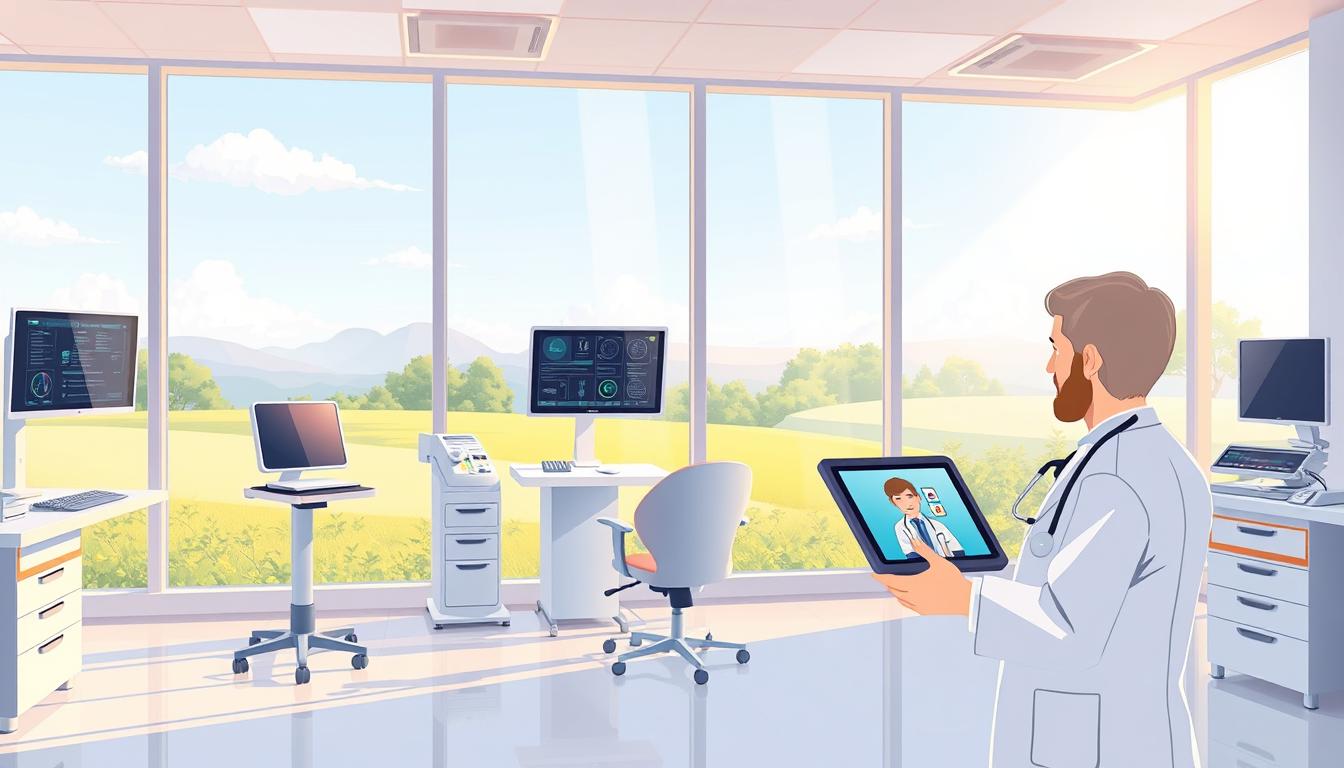
There are times when a simple check-up can prevent big problems. A call that spots a small symptom early or a remote blood pressure check that leads to quick changes. These moments show the power of telehealth in catching issues before they get worse.
This guide talks about how telehealth and digital tools help with early detection and care. It shows how telehealth makes health care better by being easy to use and manage. It’s great for those who want to improve health care and for health leaders.
The main benefits are clear and backed by facts. They include more access to care, more patient involvement, and quick treatments thanks to alerts. Telehealth also helps save money for patients and can make money for doctors. It has special codes for remote monitoring that help with Medicare payments.
This guide is for those who want to make a difference in health care. It gives a clear, detailed plan for using virtual visits for health care. It shows how to use telemedicine to improve health while keeping care high quality and affordable.
Key Takeaways
- Telehealth helps find problems early and keeps care going, making health better.
- Remote patient monitoring (RPM) adds to telehealth and has special codes for Medicare.
- Virtual doctor visits for health care make it easier to get and keep care.
- Telemedicine helps by saving money, giving more health data, and sending alerts fast.
- This guide offers real steps for growing telehealth in a smart way.
Understanding Telehealth in Preventive Care
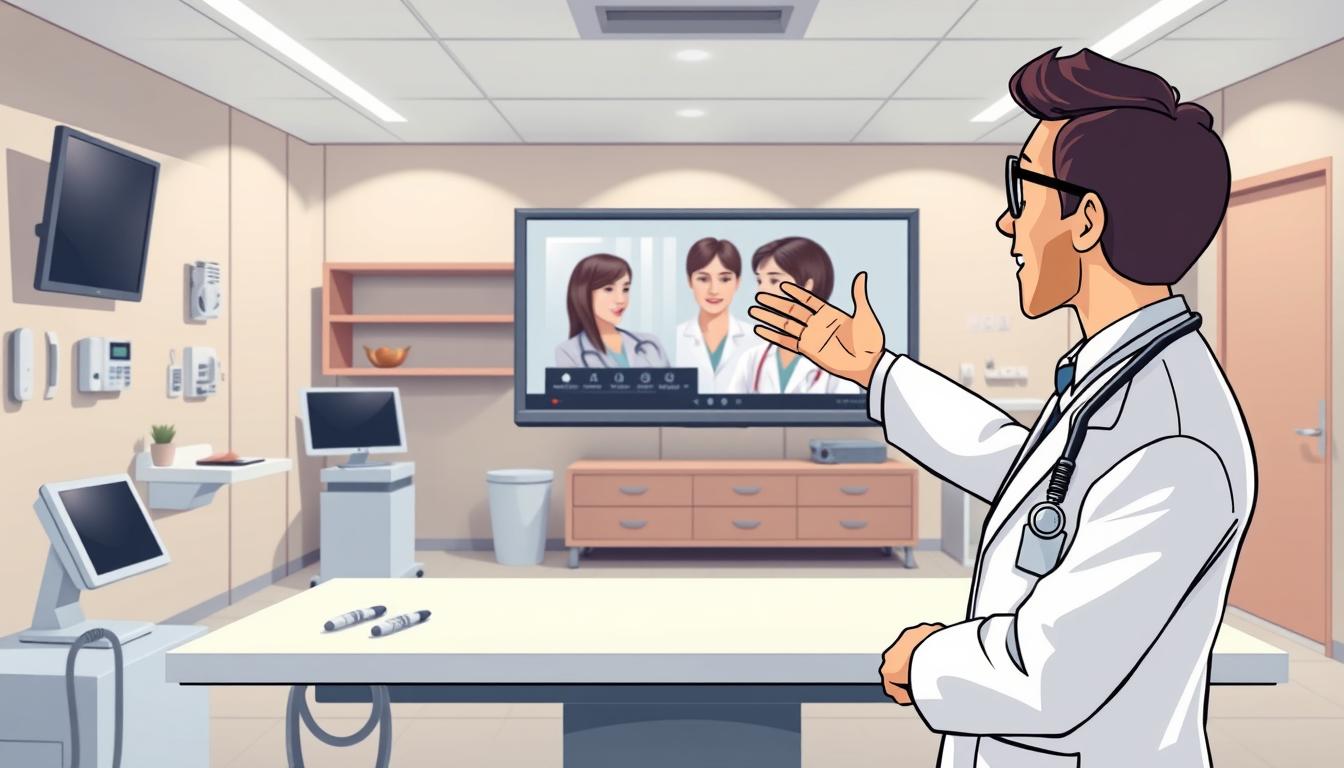
Telehealth uses the internet and phones to help doctors care for patients from far away. It lets doctors talk to patients live, send messages, or check health data from devices. This helps doctors catch problems early.
Definition and Overview of Telehealth
Telehealth is more than just talking to doctors online. It also helps with teaching, managing health services, and public health. Doctors can talk to patients live, send messages, or check health data from devices. This helps doctors catch problems early.
Importance of Preventive Care
Preventive care is very important. It helps prevent diseases, catch them early, and reduce their impact. It’s like a shield for your health.
How Telehealth Fits Into Preventive Strategies
Telehealth helps doctors gather important health data. This data helps doctors make care plans that are just right for each person. It’s like a puzzle that fits together perfectly.
Studies show that telehealth helps find problems sooner. It also helps doctors keep an eye on patients’ health and offer support. This leads to better health outcomes and saves money.
Doctors can use telehealth to make their work easier. It helps them schedule appointments and use resources better. Patients get to talk to doctors easily and get advice on staying healthy.
As telehealth gets better, it will help more people. It will lead to better health outcomes and more people staying healthy.
Convenience and Accessibility of Telehealth
Telehealth changes how we get care. It cuts down travel and wait times. It also makes health services easy to get for busy people and those in rural areas.
Eliminating Geographic Barriers
Remote monitoring and virtual visits break down distance barriers. People in rural areas can see doctors without expensive trips. Thanks to Medicare, more people can get care where they live.
24/7 Accessibility to Healthcare Providers
Asynchronous messaging and e-visits keep care going all the time. Doctors get alerts for patients who need help fast. This makes care always ready, not just when you can make an appointment.
Time-Saving Advantages for Patients
Virtual visits can solve problems in one go, saving time and work hours. Jefferson Health saved money by using video calls. At-home blood pressure checks are more accurate, so you don’t need to go to the clinic as often.
| Access Feature | Practical Benefit | Example Use |
|---|---|---|
| Remote consultations benefits for preventive health | Early detection, fewer travel demands, broader screening | Rural patient completes routine cardiovascular screening via video with a specialist |
| telemedicine advantages for wellness | Continuous engagement, trend-based care, improved adherence | Wearable data prompts wellness coach outreach to adjust activity goals |
| virtual doctor visits for preventive services | Faster issue resolution, reduced clinic wait times, lower short-term costs | Adult resolves medication side effect through a single tele-visit instead of multiple clinic appointments |
Improved Patient Engagement
Telehealth changes care to ongoing partnerships. It gives patients regular contact for small changes. This makes it easier to start preventive routines.
Interactive Communication Tools
Secure portals, video visits, and messaging help patients and doctors talk. Automated alerts and quick feedback from doctors catch problems early. A study at this link shows how these tools help with follow-ups and medication checks.
Increased Participation in Health Management
Remote patient monitoring (RPM) lets patients track health at home. This helps doctors and reassures patients. RPM boosts adherence and encourages healthy habits.
Empowering Patients through Telehealth
Digital coaching and rehab programs make prevention personal. Simple RPM devices help those with low tech skills. Digital tools reach more people, making health plans clear.
Cost-Effectiveness of Telehealth
Telehealth makes healthcare cheaper for everyone. It saves patients money on travel and work time. It also helps doctors work more efficiently.
Reduced Healthcare Costs for Patients
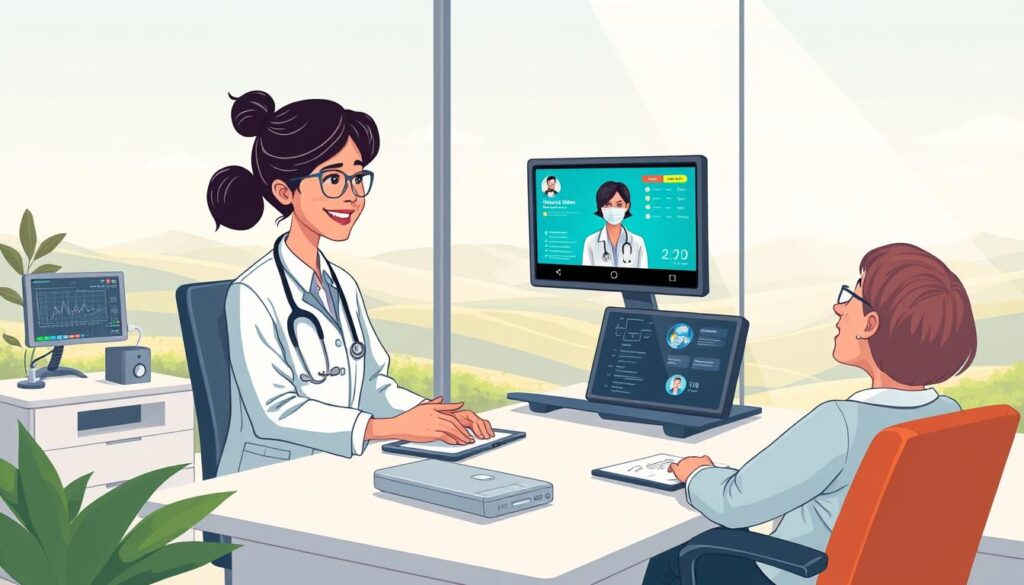
Virtual visits save money on travel and work time. They also help avoid expensive hospital stays. Studies show telemedicine can save money on minor needs and follow-ups.
Lower Operational Costs for Providers
Telehealth leads to fewer missed appointments. It also helps doctors use their time better. This can make more money for clinics and help them grow.
Insurance Coverage for Telehealth Services
Many insurance plans cover telehealth now. This includes Medicare and some commercial plans. It makes telehealth a good choice for keeping people healthy.
- Patient savings: fewer ED visits, less time off work, lower travel costs.
- Provider efficiency: reduced no-shows, better scheduling, revenue opportunities from RPM.
- System value: alignment with quality metrics and possible cost savings.
Expanded Access to Specialized Care
Telehealth lets specialists reach more patients without long travel. Rural clinics can get help from experts in cardiology, dermatology, and more. This helps in early detection and getting second opinions.
Virtual visits mean quicker assessments and decisions. Primary care doctors can talk to specialists online. This helps local care and saves time.
Providers across the country share knowledge and care. Programs like Project ECHO spread expert advice. This leads to better health and fewer missed screenings.
Telehealth makes care plans more personal. It uses health data and expert advice for better health. This includes plans for diabetes and heart health.
Telehealth helps reach communities in need. It offers screenings and follow-up care. This helps make care fairer for everyone.
Health systems use telehealth for better care. They offer remote coaching and clinics. For more info, see this NIH review on telemedicine.
Enhancing Health Monitoring and Management
Remote monitoring changes how doctors keep an eye on patients. It lets tools collect health data at home. This data goes to doctors’ dashboards, helping them see trends.
Remote Patient Monitoring Technologies
Devices track blood pressure, weight, blood sugar, oxygen levels, and heart rate. They send this info to doctors right away. If something looks off, doctors get alerts fast.
Quicker Response to Health Changes
Home readings help avoid high blood pressure from doctor visits. Doctors can spot problems early. This can stop diseases from getting worse.
Regular Check-Ins for Chronic Disease Management
Virtual visits and checking data online help care stay consistent. People in rural or low-income areas get better blood pressure help. This is thanks to remote care.
Doctors can bill for setting up devices and checking data. This makes it easier to keep up with care. It also helps with early detection and ongoing monitoring.
| Capability | Clinical Value | Billing Pathway |
|---|---|---|
| Real-time vitals transmission | Early detection of adverse trends; reduces emergency visits | RPM CPT codes for device setup and monitoring |
| Automated threshold alerts | Faster clinician response; targeted interventions | Data review billed under remote monitoring services |
| Home BP and glucose monitoring | Reduced white-coat effect; better longitudinal care | Chronic care management and RPM billing options |
| Asynchronous data review | Flexible workflows; improves access in underserved areas | Incident-to billing possible when aligned with clinic policies |
Integration with Wearable Technology
Wearable devices connect our daily lives to medical care. Smartwatches, scales, and trackers send data to health apps and records. This data helps doctors make better plans for prevention.
Data Collection through Wearable Devices
Apple, Fitbit, and Garmin devices track heart rate, steps, sleep, and weight. They turn our daily habits into health data. This data helps doctors create better plans and track results.
Real-Time Health Monitoring
These devices send data in real-time. They help doctors catch health changes fast. This quick action is key to early detection and better health care.
Encouraging Lifestyle Changes
Wearables offer coaching and games to help us stay active. Studies show they can increase steps and help with weight loss. This shows how telehealth helps us stay healthy.
It’s important for health tech to work well together. It must send data safely and let doctors review it. Reliable data builds trust and makes health care better for everyone.
Addressing Mental Health Needs
Telehealth has changed how we get help for our minds. Now, we can get help right away. Doctors can watch for problems and help before they get worse.
Teletherapy as Preventive Mental Health Care
Teletherapy grew a lot during the COVID-19 time. It’s now a big part of early treatment. Short video chats and messages help with anxiety, depression, and stress.
Reducing Stigma Around Mental Health
Remote counseling makes it easier to get help. It’s private and easy to use. People in small towns or tight communities can get help without fear.
Ongoing Support and Resources via Telehealth
Telehealth offers many ways to get help, like video, phone, and messages. It helps keep care going and gets help fast in emergencies. It also connects you with specialists.
This makes getting help fairer. Telehealth helps match care to who you are. It helps keep you well for a long time.
Patient Education and Resources
Patient education makes health care a team effort. Telehealth and apps send test results and reminders. This helps people stay healthy.
Now, health info is everywhere, not just in clinics. E-visits and apps give tips on staying healthy. Places like Mayo Clinic share helpful tips.
Personal health plans are now possible with digital tools. These tools use your health data to make plans just for you. Studies show these plans work well.
It’s important for people to understand digital health. Libraries and programs help with this. When people get it, they use health apps more.
Tools help make healthy choices easy. Videos and apps give tips on staying healthy. This helps people see how their actions help their health.
Health systems should link to helpful info in patient care. A report at the National Library of Medicine has more: telehealth implementation and outcomes. This helps make health care better.
Challenges and Limitations of Telehealth
Telehealth aims to help more people and catch health issues early. But, it faces big challenges. In rural areas, not everyone has the right devices or internet. This makes it hard for people to use telehealth for early health checks.
Technology Access and Digital Divide
Rural clinics often can’t afford the latest health tech. They also lack the staff to manage it. This makes it tough for patients to use telehealth for early health checks.
There’s also a lack of training and support. This makes it hard to add telehealth to what clinics already do. Without this, telehealth’s benefits are not the same for everyone.
Privacy and Security Concerns
Keeping health info safe is very important. Small clinics face big risks as they update their systems. If they get hacked, people might lose trust and not use telehealth.
Keeping data safe costs money and takes effort. Clinics need to protect patient info without making it too hard to share with doctors. This is a big challenge.
Regulatory Issues Affecting Telehealth Expansion
Rules about billing and who can practice telehealth add to the problem. CMS has different rules for monitoring patients remotely versus in-person visits. This makes it hard for clinics to get paid for telehealth services.
Changes in laws and rules make planning hard. Different rules in each state and how Medicare works also affect telehealth. This makes it hard for clinics to know what to do.
| Challenge | Impact | Mitigation Strategies |
|---|---|---|
| Digital divide (broadband, device ownership) | Limits patient reach; reduces early detection | Public-private broadband investments; device loan programs; simplified apps |
| Workforce and staffing shortages | Delays implementation; creates workflow burden | Regional training hubs; vendor partnerships; phased rollouts |
| Privacy and cybersecurity risks | Erodes trust; risk of PHI exposure | Encryption, audits, staff training, incident response plans |
| Regulatory and billing complexity | Revenue uncertainty; inconsistent access across states | Clear coding guidance, advocacy for consistent rules, interstate compacts |
| Unintended clinical consequences | Data overload; false positives; inequitable outcomes | Careful evaluation, human oversight, threshold tuning for alerts |
Future of Telehealth in Preventive Care
Telehealth is getting better. It will soon help us all the time, not just when we’re sick. New tech like AI and digital twins will make it even better.
These tools will use data from wearables and health records. This will help find problems early and make care more personal. It will make telehealth even better for keeping us healthy.
Innovations on the Horizon
New models will predict health problems before they start. This means we can act early to prevent them. It’s like having a special guide for your health.
Health IT and telehealth will work better together. This will make it easier to share information and make better choices. It will help us get better care and make health systems work better.
Policy Changes to Support Growth
New policies will help telehealth grow. Things like more money for remote monitoring and easier rules for doctors. This will make it easier for more people to use telehealth.
More money for internet in rural areas will also help. It will make sure everyone can use telehealth, no matter where they live.
Vision for Holistic Preventive Care
The future of health care is exciting. It will be predictive, personalized, preventive, and participatory. Telehealth will play a big role in this.
It will help us stay healthy by watching us closely and acting fast. We need to try new ways of using telehealth and RPM. We should also work on policies that support it.
FAQ
What is telehealth and how does it differ from telemedicine?
Telehealth uses tech for long-distance care and education. Telemedicine is a part of telehealth for remote doctor visits. Both use different ways to help patients, like live or recorded visits.
How does telehealth improve preventive care and early detection?
Telehealth collects data like health records and vital signs. This helps doctors catch problems early. It also lets them act fast to prevent bigger issues.
What preventive services are well-suited to telehealth?
Telehealth is good for many services. It helps with screenings, vaccinations, and checking chronic diseases. It also supports therapy and helps patients stick to their treatment plans.
What are the main advantages of remote patient monitoring (RPM) for prevention?
RPM tracks health at home, reducing the need for doctor visits. It alerts doctors to any issues. This helps patients stay healthy and avoids costly hospital trips.
Does Medicare cover RPM and telehealth preventive services?
Yes, Medicare pays for RPM and some telehealth services. It also doesn’t limit where these services can be used. But, what’s covered and how much patients pay can change.
How does telehealth increase access for rural and underserved populations?
Telehealth and RPM help people in remote areas get care. They don’t need to travel far. This also helps specialists reach more people, improving health care for all.
What evidence supports telehealth’s cost-effectiveness for prevention?
Studies show telehealth saves money by avoiding expensive visits. It also helps catch problems early. This can lead to fewer hospital stays and better health.
How does telehealth enhance patient engagement and behavior change?
Telehealth keeps in touch with patients through messages and RPM. This makes patients feel connected and helps them stay on track with their health goals.
What are the workflow and billing implications for providers implementing RPM?
Providers can get paid for RPM services. It can also help them see more patients. But, they need to set up systems and follow rules for billing.
How do wearables and IoT devices integrate with telehealth for prevention?
Wearables send health data to doctors. This helps them keep an eye on patients’ health. Studies show it can help people move more and lose weight.
What privacy and interoperability issues should organizations address?
Telehealth must keep patient data safe. It needs to work with electronic health records. This makes sure doctors have the right information to help patients.
What are common barriers to telehealth adoption and how can they be mitigated?
Some barriers are lack of internet, not knowing how to use tech, and not enough staff. To overcome these, provide internet, teach patients, and make devices easy to use.
Can telehealth reduce stigma and improve access to mental health prevention?
Yes, telehealth makes it easier to get mental health help. It’s less scary and reaches more people. This helps those who might not get help in person.
What unintended consequences should leaders watch for when scaling preventive telehealth?
There are risks like too much data and not enough staff. It’s also important to make sure everyone has access. Leaders need to plan carefully to avoid problems.
How will policy and technology trends shape the future of preventive telehealth?
Changes in laws and tech will help telehealth grow. New tech will make it better at predicting health problems. This will help doctors help patients even more.
What strategic steps should organizations take to deploy telehealth for preventive medicine?
Start with small tests of telehealth and RPM. Make sure it works with your health records and train your staff. Keep track of how well it works and push for support from laws and payers.