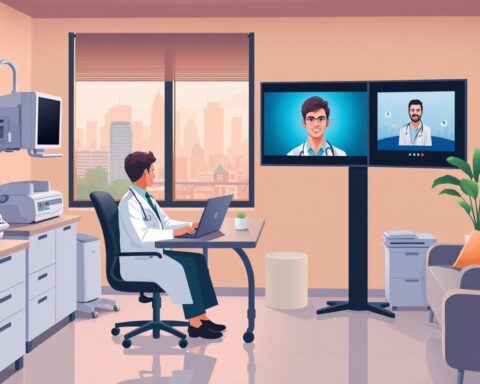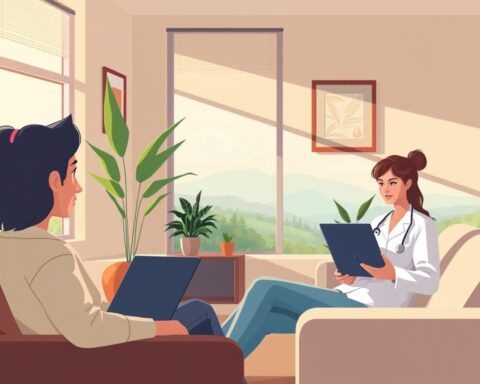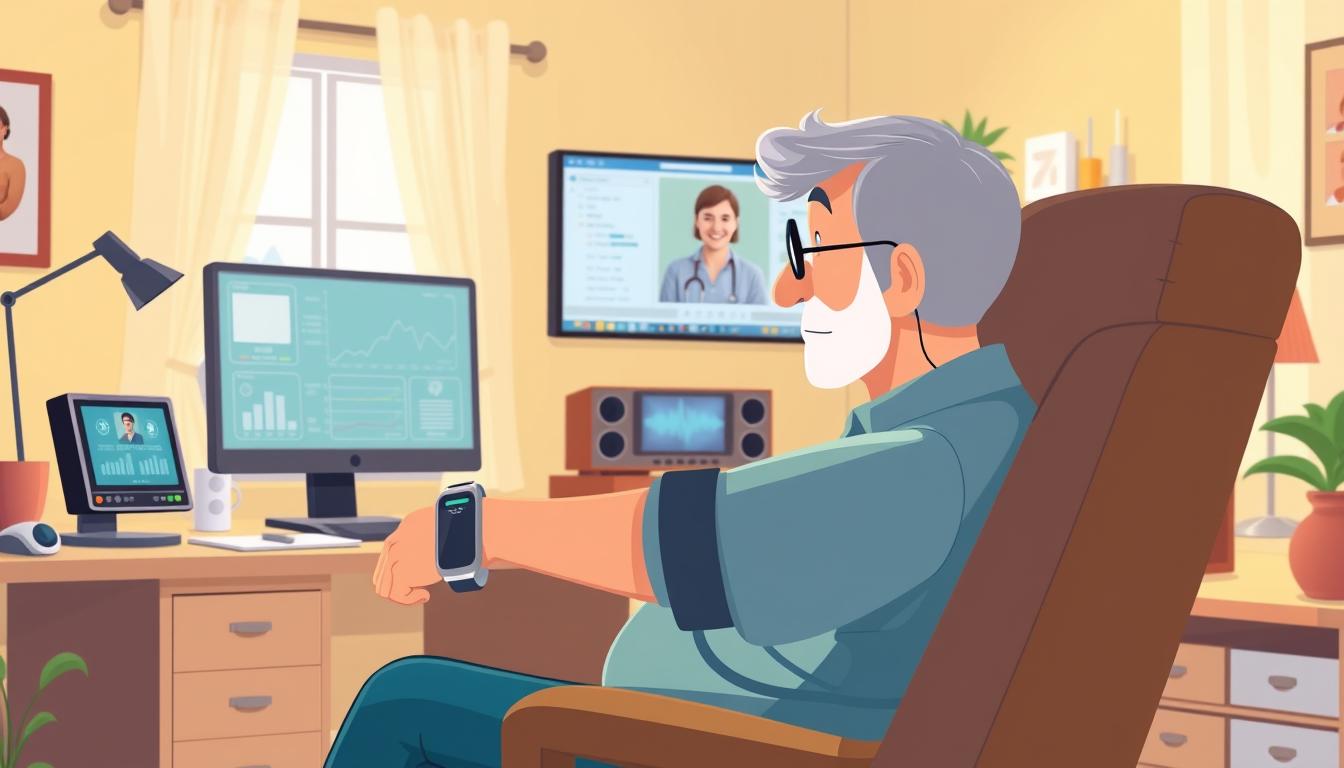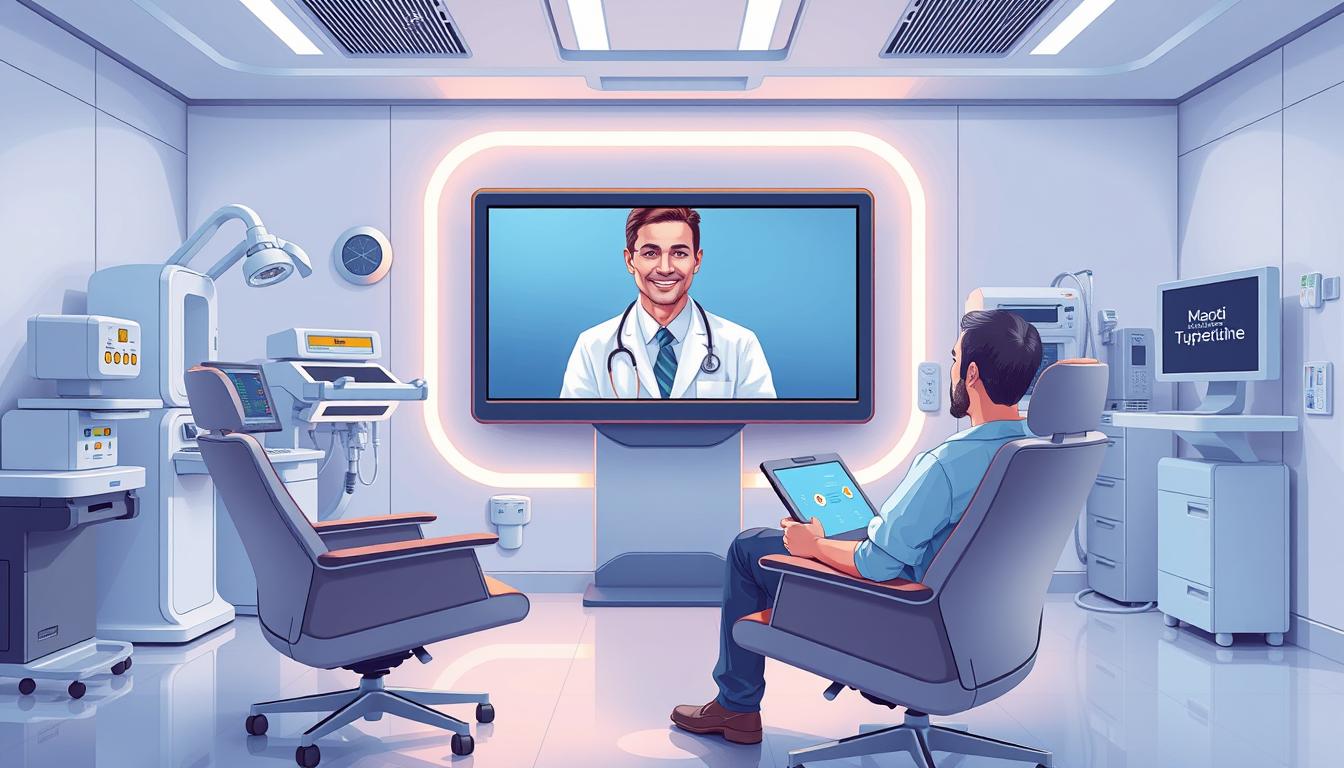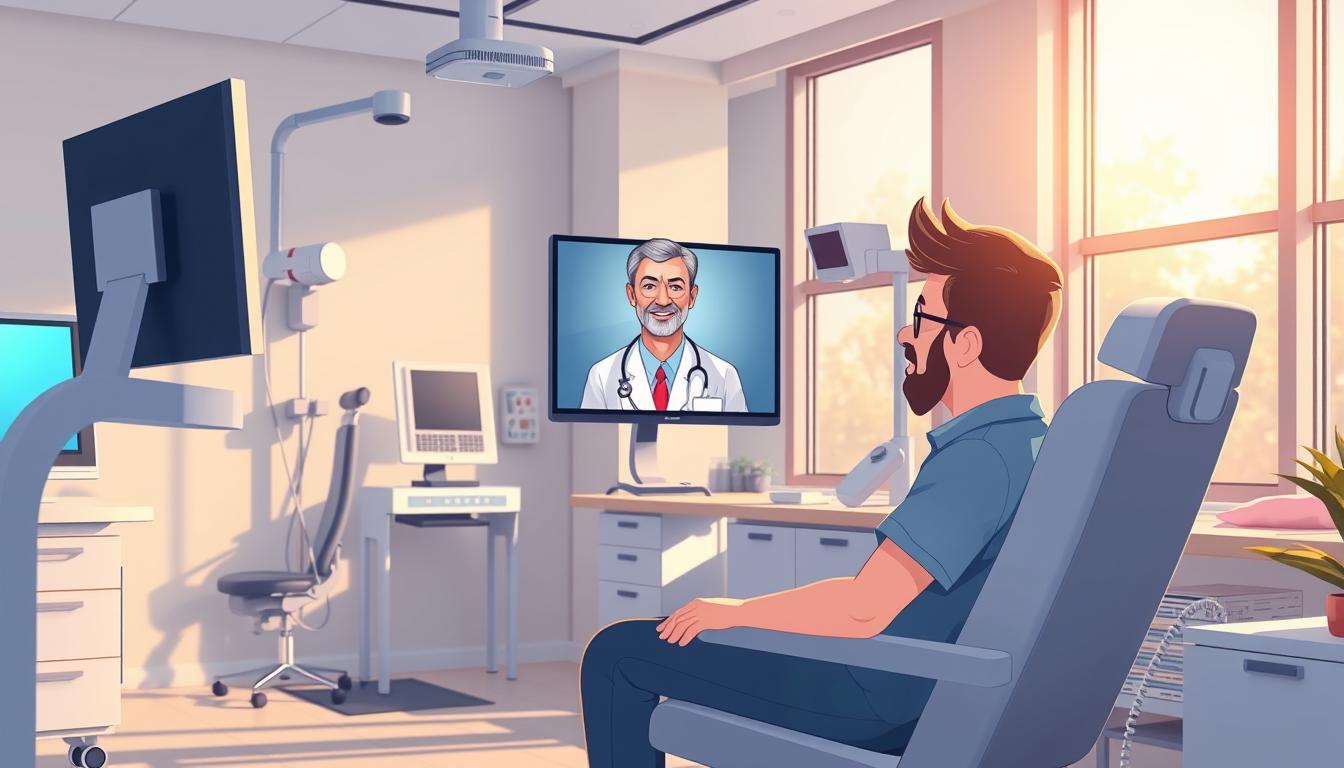
Waiting for a doctor’s appointment can feel like forever. It’s hard for parents, busy people, and those far from cities. Telemedicine helps by making doctor visits online.
This guide shows how online doctor visits help everyone. It talks about how digital health services make it easier to see specialists. CareExpand is a great example of how it works.
It’s not just about the tech. Nurses need training to do virtual care well. The University of Wisconsin Oshkosh College of Nursing is leading the way. This ensures telemedicine works well.
Telemedicine makes healthcare better by reaching more people. It saves time and money. For more info, check out this review on telehealth and remote monitoring here.
Key Takeaways
- Telemedicine for remote specialist consultations shortens wait times and expands access to expert care.
- Virtual specialist appointments rely on platforms that combine video, EHR integration, scheduling, and payments.
- Training clinicians in telehealth best practices is essential for clinical quality and patient trust.
- Digital healthcare services can preserve continuity of care and optimize resource use across settings.
- Evidence supports measurable improvements in outcomes and cost savings when remote monitoring and telehealth are well implemented.
The Rise of Telemedicine in Healthcare
Remote care changed how doctors work. They now do consultations online, not just in clinics. This helps patients get care easier, and health systems learn new ways to work.
Historical Context of Telehealth
Telemedicine started a long time ago. In the 1990s, doctors did surgery over the internet. Later, tests and stroke care went online too.
The COVID-19 pandemic made telemedicine even more popular. Suddenly, many visits moved online. This showed how fast we could change, but also the need for better systems and rules.
Growth Statistics and Trends
After 2020, more people used telemedicine. Studies showed many patients liked online care, like in neurology. Even surgeries saw benefits from online follow-ups.
Doctors started using online care more. Health systems kept more patients and worked better. They used video and messages for online visits.
Future Outlook for Telemedicine
New rules will guide telemedicine’s future. Changes in laws and money matters will affect how it grows. Fast internet and working systems are key for telemedicine to spread.
New ideas like online teaching and AI help doctors more. But, we need better money systems and training. We also must keep focusing on making patients happy.
| Aspect | Recent Evidence | Implication for Providers |
|---|---|---|
| Adoption Rates | High post-pandemic uptake in specialty clinics; strong patient acceptance in surveys | Integrate telemedicine for remote specialist consultations into care pathways to meet demand |
| Clinical Success | Tele-follow-up success rates above 80% in several surgical series; tele-stroke saved multimillion dollars over years | Prioritize virtual healthcare services for follow-up and acute triage to improve outcomes and reduce costs |
| Policy Environment | Regulatory deadlines and reimbursement debates remain active | Monitor changes and build adaptable remote telemedicine appointments workflows |
| Technology Trends | Growth in AI monitoring, telementoring platforms, and advanced video tools | Invest in interoperable systems and training to expand telehealth for specialists effectively |
Benefits of Remote Specialist Consultations
Telemedicine brings specialists to clinics, offices, and homes. It helps people in rural areas get care from big cities. Health systems say they can handle complex cases faster with telemedicine.
Improved Access to Care
With telemedicine, patients see specialists without traveling far. Hospitals in hard-to-reach areas use it for training and team meetings. This helps them diagnose and treat quickly.
Cost-Effectiveness for Patients
Virtual visits save money on travel and work time. They also cut down on missed appointments. Studies show big savings in costs, and follow-up visits are cheaper but just as effective.
Enhanced Patient Convenience
Online consultations fit into busy lives and cut waiting times. Patients like it because it’s easier and faster. It also helps them stick to their treatment plans, but some miss the full exam.
| Benefit | How Telemedicine Delivers | Typical Impact |
|---|---|---|
| Access | Virtual specialist healthcare consultations link patients to distant experts; telementoring builds local skills | Faster specialist input; reduced referral delays |
| Cost | Telemedicine consultations for remote specialist care cut travel, lodging, and transfer costs | Lower out-of-pocket expenses; system-level savings |
| Convenience | Online medical consultations enable home visits, flexible scheduling, and remote monitoring | Higher appointment adherence; better continuity of care |
| Capacity | Remote telemedicine appointments support virtual multidisciplinary teams and specialist reach | Improved local treatment options; fewer unnecessary referrals |
Key Technologies Enabling Telemedicine
Telemedicine uses special hardware, software, and security. These things make sure patients get good care and doctors can do their jobs well. The right mix helps with clear video, fast data, and safe records.
Video Conferencing Tools
Good video and audio are key for virtual care. Doctors use top-notch webcams and microphones. They also use platforms that follow HIPAA rules.
These tools support many people in one call, sharing images, and fast connections. Tests show that 4G and 5G networks make things better. This helps doctors work together in real time.
Mobile Health Applications
Mobile apps put care in patients’ hands. They let people have video calls, track symptoms, and monitor health from afar.
These apps connect with wearables and EHRs. This gives doctors important info before they talk to patients. Even in poor countries, simple apps help with care after surgery.
Secure Data Encryption Methods
Telehealth needs strong security. This includes end-to-end encryption and safe portals. HIPAA rules are the standard in the U.S.
Good practices include managing devices and using private networks. Tools that clean up audio make calls clearer. EHRs and analytics help doctors learn from data.
| Technology | Primary Benefit | Key Considerations |
|---|---|---|
| Video Conferencing Tools | Real-time visual assessment and collaboration | Low latency, HIPAA compliance, high-quality audio/video |
| Mobile Health Applications | Access from smartphones; supports remote monitoring | Cross-platform compatibility, wearable integration, offline options |
| Secure Telehealth Platforms | Protected patient data and trusted communication | End-to-end encryption, secure portals, EHR integration |
| Noise Reduction & AV Tools | Improved audio clarity for accurate diagnosis | Background-noise removal, tested codecs, provider training |
| Analytics & EHR Integration | Operational insight and continuity of care | Interoperability standards, secure APIs, data governance |
Regulatory Framework for Telemedicine
Rules guide how doctors use telehealth and how patients get remote care. Doctors need to keep up with changes from CMS and HHS. This is because rules have changed a lot during the pandemic. Also, HIPAA is key when picking technology that keeps health info safe.
Federal Regulations and Guidelines
Medicare and Medicaid have made big changes. They now cover more virtual visits and don’t limit where you can have them. The 2022 Appropriations Act also gave more time for rules to change after the pandemic.
Doctors must follow federal rules and keep up with new codes for services like RPM. CMS and the Office for Civil Rights work together on privacy. During the pandemic, they were more lenient with telemedicine rules. But, doctors need to document their actions carefully when normal rules start again.
State-Specific Telehealth Laws
Every state has its own rules for telehealth. Some states require doctors to know where the patient is. Others need consent for telemedicine, and some have different rules for video and phone calls.
Doctors need to know each state’s rules before doing virtual visits. Being part of a licensure compact can help doctors work in more places. But, not all specialties or procedures are covered.
Licensure Requirements for Specialists
Getting a medical license is up to each state. Specialists need the right license where the patient is. The Interstate Medical Licensure Compact makes it easier for many doctors to work in different states.
But, some advanced services like telesurgery are hard to do because of licensing issues. Changing rules is important to make care better, even in areas that need it most. For more information, see this summary from the National Library of Medicine: telehealth policy overview.
| Regulatory Area | Impact on Care | Practical Action |
|---|---|---|
| Federal telemedicine regulations | Defines reimbursement, privacy baseline, and emergency flexibilities | Monitor CMS updates; align documentation and billing to current codes |
| State telehealth laws | Determines licensure, consent, and modality-specific rules | Maintain state-by-state compliance checklist; verify patient location |
| Licensure requirements | Controls where specialists may legally provide care | Use licensure compacts or obtain state licenses before offering services |
| Privacy enforcement | Shapes platform choice and data handling obligations | Select HIPAA-compliant vendors; document good-faith practices |
| Billing and codes | Enables payment for RPM, virtual check-ins, and tele-visits | Train billing teams on CPT and HCPCS telehealth codes |
Challenges Faced in Telemedicine
Telemedicine has many benefits, but it also faces big challenges. These issues affect patients, doctors, and insurance companies. We need to solve these problems to make remote care better.
Technical Barriers for Patients
Some areas don’t have good internet. This makes it hard for people to use telemedicine. It’s tough in rural places and for those who can’t afford new tech.
Slow internet can ruin important talks. Services that need to be exact are at risk. People who don’t know much about tech have a hard time joining online doctor visits.
Helping patients is key. Things like phone help, easy guides, and places with good internet make telemedicine better for everyone.
Insurance and Reimbursement Issues
How insurance pays for telemedicine is not clear. This makes it hard for doctors to know how much money they will get. It’s hard for them to invest in new tech and training.
Specialist services are even harder. Doctors have to deal with rules on coding, fairness, and getting permission before they can get paid. This makes it hard to get fair pay for online visits.
Doctors need to feel safe. They need insurance that covers them when they do telemedicine. Without it, they might not want to do many online visits.
Privacy and Security Concerns
Rules for keeping data safe are different in each place. This makes it hard for doctors who work in many states. Places without clear rules on telemedicine are slower to adopt it.
Using safe platforms and getting consent are important. Teaching patients how to stay safe online helps build trust. This makes online doctor visits safer and more reliable.
Doctors and insurance companies need to think about who is liable. Strong security, clear consent, and the right insurance are key. They help make sure remote visits are safe and reliable.
Preparing for a Remote Specialist Consultation
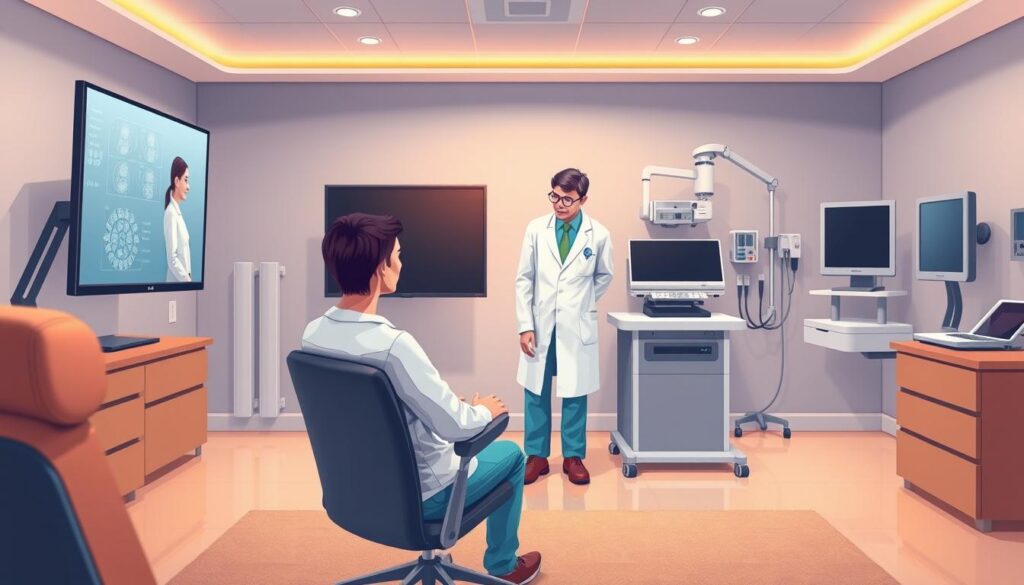
Remote visits aim for clear and efficient care. Patients do best when they know what to expect. This guide helps you prepare for virtual specialist appointments and get the most from telemedicine.
What Patients Should Know
Providers send clear instructions before the visit. They explain how to join, what to expect, and privacy. Patients must sign a consent form about virtual exams and next steps.
Clinics tell if they’ll use remote monitoring devices. If they need blood pressure or images, they’ll say so. Knowing this helps avoid delays and improves care.
Necessary Technology and Equipment
A strong internet connection is key. Have a backup plan for internet. Use a device with a good camera and microphone.
For specialist care, you might need extra devices. A blood pressure cuff or pulse oximeter could be needed. Choose a quiet, private spot with good lighting for the visit.
Tips for a Successful Virtual Visit
Write a quick medical summary. List your meds, allergies, recent tests, and symptoms. Digital photos of wounds or rashes help doctors assess you better.
Test your tech and keep support info ready. Small practices often get help with IT for smooth visits. Afterward, you’ll get clear instructions and reminders to follow up.
Types of Specialist Consultations Available
Telemedicine lets patients see specialists from home. Now, many clinics offer special services online. This includes mental health and managing chronic diseases.
Common Medical Specialties
Many doctors, like neurologists and cardiologists, see patients online. They check on patients, give advice, and even do surgeries remotely. This helps with complex cases from far away.
Cardiologists use online ECGs to make quick decisions. Dermatologists look at skin problems with images and video calls. Endocrinologists manage diabetes and hormones through online meetings.
Mental Health Services via Telemedicine
Telepsychiatry and teletherapy are now common. They help those who can’t go to the doctor or prefer online care. It’s important to keep these sessions private and secure.
Therapists and psychiatrists use digital tools to track symptoms and how well treatments work. This helps people in rural areas and busy cities get the care they need.
Oncological and Chronic Disease Management
Tele-oncology helps with cancer care, like planning treatments and checking on patients. It also lets teams review images and plans without meeting in person. This saves time and keeps patients safe.
Chronic disease programs use devices to track health at home. This helps doctors adjust treatments and keep patients on track. It also saves patients from long trips to the doctor.
Telemedicine in Rural vs. Urban Areas
Rural areas face big challenges with telemedicine. They have slow internet, few devices, and not many clinics. This makes it hard to have good virtual doctor visits.
Urban places have better internet and more doctors ready for telemedicine. This makes a big gap in who can get help.
To fix this, we need to invest in new ways. Using phones for doctor visits helps when internet is slow. Tools that let doctors review images later also help.
Training local doctors is key. This way, they can do more complex care without needing to travel far. Even with slow internet, doctors can get help from experts far away.
Access Disparities and Solutions
Many rural areas have poor internet. This means fewer doctor visits online and more travel for patients. We need to pay for better internet and make doctor visits online more affordable.
We can use different levels of care online. Simple phone calls, secure texts, and video visits when possible. Health systems should help with devices and work with phone companies to make it easier.
Community Health Impact
When telemedicine works, we see big changes. It helps get treatment faster and cuts down on hospital transfers. It also makes patients happier and saves money.
Trust grows when local doctors lead the way. They work with specialists for backup. This keeps care local and strong.
Case Studies of Successful Implementations
In China, a new way of teaching doctors worked well. It let neurosurgeons help others in real time. In Baghdad, doctors worked with Saudi experts to do complex surgeries.
In India, following up with patients after surgery was easier. This saved travel and helped patients stick to their care plans. Telestroke programs in China saved money and helped patients faster.
These stories show how to make telemedicine work in rural areas. With the right approach, we can help more people, no matter where they live.
Enhancing Patient-Provider Communication
Good communication is key for virtual health visits. It makes patients and doctors feel more confident. Simple changes like camera angles and breaks help a lot.
Best Practices for Clear Communication
Look into the camera to seem like you’re looking at each other. Speak clearly and keep sentences short. Sharing screens helps explain tough stuff.
Give patients time to ask questions and sum up what was said. Make sure visits are long enough and don’t book too many. This helps doctors stay focused and do their best.
Utilizing Patient Portals
Use secure online portals for messages, documents, and scheduling. They help keep care going even when you can’t meet in person.
Make sure patients know how to use the portal. Share lab results and visit summaries. This helps them know what to do next.
Follow-Up Protocols After Consultations
Have a plan for what to do after a visit. Send reminders for medication and check-ups. Use devices to keep an eye on chronic conditions.
If a face-to-face visit is needed, make arrangements. Keep all plans and instructions in the patient’s file. This keeps care smooth and follows rules.
| Communication Element | Practical Tip | Benefit for Virtual Care |
|---|---|---|
| Camera Eye Contact | Position camera at eye level and look into it when speaking | Builds trust during virtual specialist healthcare consultations |
| Plain Language | Limit jargon; use short, clear sentences | Improves comprehension in online medical consultations |
| Screen Sharing | Use visual aids for imaging and test results | Clarifies complex information in telemedicine for remote specialist consultations |
| Patient Portals | Enable messaging, documents, scheduling, billing, reminders | Supports asynchronous care and follow-up in patient portals telehealth |
| Follow-Up Protocols | Standardize instructions, schedule digital check-ins, document plans | Ensures continuity and reduces missed escalations |
Integrating Telemedicine into Existing Healthcare Systems
To add telemedicine to current care systems, a clear plan is needed. Health systems can mix virtual visits with in-person care. This way, patients get the best of both worlds.
Collaborative Approaches with Onsite Care
Hospitals and clinics can work together. Patients see their primary doctor in person. Then, they talk to specialists online.
This method cuts down travel time and speeds up getting a diagnosis. It’s a win-win for everyone.
Health workers, nurse practitioners, and experts at places like Mayo Clinic can share patient info. They plan visits together. This way, patients get the help they need without losing the value of face-to-face care.
Training for Healthcare Providers
Telehealth works best when everyone knows how to use it. Schools and hospitals should teach telehealth skills. This includes nurses and doctors.
Training helps teams work better online. Fast internet is key for safe and effective online teaching.
Boosting System Efficiency through Telehealth
Telehealth makes things run smoother. It includes online scheduling and EHRs. This frees up doctors to focus on patients.
It also helps manage resources better. Analytics help find and fix problems. This way, care is more efficient.
Here’s a quick guide for choosing the right parts for telehealth.
| Area | Onsite Strength | Virtual Strength | Recommended Integration |
|---|---|---|---|
| Initial Assessment | Hands-on exams, immediate vitals | Rapid specialist triage, wide reach | Primary care does exam, specialist consult via telemedicine for remote specialist consultations |
| Training & Skills | Clinical technique, bedside teaching | Telemedicine training, telementoring tools | Hybrid curricula: simulation plus live telementoring |
| Scheduling & Ops | Clinic-driven scheduling, procedure rooms | Online scheduling, flexible virtual slots | Unified calendar in EHR; virtual healthcare services for follow-ups |
| Technology Needs | Imaging, labs, exam tables | Secure video, bandwidth, remote monitoring | Telehealth integration with EHR and analytics dashboards |
| Quality & Measurement | Clinical outcomes, patient safety | Patient satisfaction, access metrics | Shared KPIs; analytics measure efficiency and outcomes |
Starting telehealth is a big change. With the right training, teamwork, and tech, systems can grow. They can offer more virtual care while keeping in-person care strong.
Measuring Outcomes of Telemedicine Services
To check how well telemedicine works, we need clear numbers. These numbers should show how patients feel, how well the care works, and if it saves money. Before starting, teams should pick the right tools and set a time frame.
It’s important to keep things simple for patients. But, we also need enough info for doctors and managers to make good decisions.
Patient Satisfaction Metrics
Use special surveys to see how patients feel about telemedicine. Ask if they found it useful and easy to use. Also, ask if they would use it again.
Ask questions right after the visit to get answers quickly. Questions should cover things like how easy it was to get an appointment and how sure they felt about the advice they got.
Share the results in a way that’s easy to understand. Use numbers like how many people were happy and how likely they are to use it again. A study on neurosurgery follow-ups showed telemedicine was very useful. This kind of info helps everyone understand how well telemedicine works.
Clinical Outcomes and Effectiveness
Keep track of things like emergency visits and hospital stays. Compare these numbers to see if telemedicine is as good as in-person visits.
For specialty care, use special checks to make sure the care is right. Studies have shown that telemedicine can be just as good as seeing a doctor in person for some things. But, specialists need to find the right ways to measure for their own cases.
Cost-Benefit Analyses
When looking at costs, include things like less travel and lower costs for each visit. Also, think about how it helps the whole system by reaching more people and reducing transfers.
When you add up the costs of technology and malpractice insurance, you can see if it’s worth it. Long-term, telemedicine can save a lot of money. Share all the benefits and costs to help make decisions.
For more information on how to measure these things, check out this detailed review: systematic review of telemedicine outcomes.
| Domain | Key Metrics | Typical Data Sources |
|---|---|---|
| Patient Experience | Patient satisfaction rate; willingness to reuse; net promoter score | Post-visit surveys; patient portal feedback; call center logs |
| Clinical Effectiveness | ED visits; hospitalizations; readmission rate; complication incidence | EHR records; claims data; remote monitoring devices |
| Operational Performance | Visit completion rate; wait time; provider utilization | Scheduling systems; teleplatform analytics; clinician reports |
| Economic Impact | Per-visit cost savings; system-level savings; telemedicine cost-benefit ratio | Financial ledgers; travel reimbursement records; program ROI models |
| Risk and Compliance | Malpractice claims; data breach incidents; licensure adherence | Risk management files; compliance audits; insurance reports |
The Future of Telemedicine in Specialist Care
Telemedicine is getting better for specialist care. It’s moving from just being convenient to actually helping a lot. This is thanks to new tech like 5G and better broadband.
These new tools help doctors do precise work from far away. They make it easier to do complex surgeries and monitor patients remotely. This means doctors can help patients from anywhere, not just in the same room.
Emerging Technologies and Innovations
New tech like mixed-reality and analytics is changing how doctors work. Places like Mayo Clinic and Cleveland Clinic are already using video and EHR tools. More places will use these tools as they get better and costs go down.
Doctors will soon use remote sensors and wearables. This will help them make better decisions without getting overwhelmed. It’s all about making care better and easier for everyone.
Potential for Virtual Reality and AI
Virtual reality will help doctors train and guide teams from afar. It’s like a virtual classroom for doctors. At the same time, AI will help sort out patient data and predict problems.
AI will give doctors real-time help but it needs to be trusted. This means it has to be fair and keep patient info safe. It’s all about making sure doctors have the best tools to help patients.
Expectations from Patients and Providers
Patients want easy access to care and clear communication. Doctors want reliable tools and fair pay. Policy changes and clear rules will help make telemedicine better.
When everyone has what they need, telemedicine will help more people. It will make sure everyone gets the best care, no matter where they are.
FAQ
What is telemedicine for remote specialist consultations and why implement it?
Telemedicine lets patients and doctors talk to specialists online. It uses video, apps, and monitoring. This makes care better and saves time and money.
How did telemedicine evolve to support specialist care?
Telemedicine started with early surgeries and grew to many types of care. It became more popular during the pandemic. Now, it’s part of regular care, helping with many health issues.
What evidence shows telemedicine is growing and effective?
More people are using telemedicine after the pandemic. Studies show it works well for many health issues. It can even save money, like in stroke care.
What future trends should organizations plan for?
Expect changes in laws and more money for telemedicine. New tech like 5G will help too. Training and better infrastructure are key for success.
How does telemedicine improve access to specialist care?
Telemedicine helps people in remote areas get specialist care. It also helps doctors learn from experts. This makes care better and more available.
Is telemedicine cost-effective for patients and systems?
Yes, telemedicine saves money and time. It’s cheaper than going to the doctor. It also helps with follow-up care, making it more affordable.
How does telemedicine affect patient convenience and adherence?
Telemedicine makes it easier to keep appointments. It also helps with taking medicine and staying healthy. Patients are usually happier with online visits.
What video conferencing and telehealth platform features are essential?
Good platforms have clear video, are secure, and work with EHRs. They should also be easy to use on phones. This makes care better and easier.
What role do mobile health apps play in specialist consultations?
Mobile apps let people talk to doctors from anywhere. They help with monitoring and messaging. They’re great for places with good phone coverage.
Which encryption and security methods are required?
Use secure platforms and keep networks safe. Make sure patients know how to stay safe online. This keeps their information private.
What federal and state regulations must providers monitor?
Follow new rules from CMS and HHS. HIPAA is always important. Know the laws in each state for telemedicine.
How does telemedicine improve access to specialist care?
Telemedicine helps people in remote areas get care. It also helps doctors learn from experts. This makes care better and more available.
Is telemedicine cost-effective for patients and systems?
Yes, telemedicine saves money and time. It’s cheaper than going to the doctor. It also helps with follow-up care, making it more affordable.
How does telemedicine affect patient convenience and adherence?
Telemedicine makes it easier to keep appointments. It also helps with taking medicine and staying healthy. Patients are usually happier with online visits.
What video conferencing and telehealth platform features are essential?
Good platforms have clear video, are secure, and work with EHRs. They should also be easy to use on phones. This makes care better and easier.
What role do mobile health apps play in specialist consultations?
Mobile apps let people talk to doctors from anywhere. They help with monitoring and messaging. They’re great for places with good phone coverage.
Which encryption and security methods are required?
Use secure platforms and keep networks safe. Make sure patients know how to stay safe online. This keeps their information private.
What federal and state regulations must providers monitor?
Follow new rules from CMS and HHS. HIPAA is always important. Know the laws in each state for telemedicine.
How does telemedicine improve access to specialist care?
Telemedicine helps people in remote areas get care. It also helps doctors learn from experts. This makes care better and more available.
Is telemedicine cost-effective for patients and systems?
Yes, telemedicine saves money and time. It’s cheaper than going to the doctor. It also helps with follow-up care, making it more affordable.
How does telemedicine affect patient convenience and adherence?
Telemedicine makes it easier to keep appointments. It also helps with taking medicine and staying healthy. Patients are usually happier with online visits.
What video conferencing and telehealth platform features are essential?
Good platforms have clear video, are secure, and work with EHRs. They should also be easy to use on phones. This makes care better and easier.
What role do mobile health apps play in specialist consultations?
Mobile apps let people talk to doctors from anywhere. They help with monitoring and messaging. They’re great for places with good phone coverage.
Which encryption and security methods are required?
Use secure platforms and keep networks safe. Make sure patients know how to stay safe online. This keeps their information private.
What federal and state regulations must providers monitor?
Follow new rules from CMS and HHS. HIPAA is always important. Know the laws in each state for telemedicine.
How does telemedicine improve access to specialist care?
Telemedicine helps people in remote areas get care. It also helps doctors learn from experts. This makes care better and more available.
Is telemedicine cost-effective for patients and systems?
Yes, telemedicine saves money and time. It’s cheaper than going to the doctor. It also helps with follow-up care, making it more affordable.
How does telemedicine affect patient convenience and adherence?
Telemedicine makes it easier to keep appointments. It also helps with taking medicine and staying healthy. Patients are usually happier with online visits.
What video conferencing and telehealth platform features are essential?
Good platforms have clear video, are secure, and work with EHRs. They should also be easy to use on phones. This makes care better and easier.
What role do mobile health apps play in specialist consultations?
Mobile apps let people talk to doctors from anywhere. They help with monitoring and messaging. They’re great for places with good phone coverage.
Which encryption and security methods are required?
Use secure platforms and keep networks safe. Make sure patients know how to stay safe online. This keeps their information private.
What federal and state regulations must providers monitor?
Follow new rules from CMS and HHS. HIPAA is always important. Know the laws in each state for telemedicine.
How does telemedicine improve access to specialist care?
Telemedicine helps people in remote areas get care. It also helps doctors learn from experts. This makes care better and more available.
Is telemedicine cost-effective for patients and systems?
Yes, telemedicine saves money and time. It’s cheaper than going to the doctor. It also helps with follow-up care, making it more affordable.
How does telemedicine affect patient convenience and adherence?
Telemedicine makes it easier to keep appointments. It also helps with taking medicine and staying healthy. Patients are usually happier with online visits.
What video conferencing and telehealth platform features are essential?
Good platforms have clear video, are secure, and work with EHRs. They should also be easy to use on phones. This makes care better and easier.
What role do mobile health apps play in specialist consultations?
Mobile apps let people talk to doctors from anywhere. They help with monitoring and messaging. They’re great for places with good phone coverage.
Which encryption and security methods are required?
Use secure platforms and keep networks safe. Make sure patients know how to stay safe online. This keeps their information private.
What federal and state regulations must providers monitor?
Follow new rules from CMS and HHS. HIPAA is always important. Know the laws in each state for telemedicine.
How does telemedicine improve access to specialist care?
Telemedicine helps people in remote areas get care. It also helps doctors learn from experts. This makes care better and more available.
Is telemedicine cost-effective for patients and systems?
Yes, telemedicine saves money and time. It’s cheaper than going to the doctor. It also helps with follow-up care, making it more affordable.
How does telemedicine affect patient convenience and adherence?
Telemedicine makes it easier to keep appointments. It also helps with taking medicine and staying healthy. Patients are usually happier with online visits.
What video conferencing and telehealth platform features are essential?
Good platforms have clear video, are secure, and work with EHRs. They should also be easy to use on phones. This makes care better and easier.
What role do mobile health apps play in specialist consultations?
Mobile apps let people talk to doctors from anywhere. They help with monitoring and messaging. They’re great for places with good phone coverage.
Which encryption and security methods are required?
Use secure platforms and keep networks safe. Make sure patients know how to stay safe online. This keeps their information private.
What federal and state regulations must providers monitor?
Follow new rules from CMS and HHS. HIPAA is always important. Know the laws in each state for telemedicine.
How does telemedicine improve access to specialist care?
Telemedicine helps people in remote areas get care. It also helps doctors learn from experts. This makes care better and more available.
Is telemedicine cost-effective for patients and systems?
Yes, telemedicine saves money and time. It’s cheaper than going to the doctor. It also helps with follow-up care, making it more affordable.
How does telemedicine affect patient convenience and adherence?
Telemedicine makes it easier to keep appointments. It also helps with taking medicine and staying healthy. Patients are usually happier with online visits.
What video conferencing and telehealth platform features are essential?
Good platforms have clear video, are secure, and work with EHRs. They should also be easy to use on phones. This makes care better and easier.
What role do mobile health apps play in specialist consultations?
Mobile apps let people talk to doctors from anywhere. They help with monitoring and messaging. They’re great for places with good phone coverage.
Which encryption and security methods are required?
Use secure platforms and keep networks safe. Make sure patients know how to stay safe online. This keeps their information private.
What federal and state regulations must providers monitor?
Follow new rules from CMS and HHS. HIPAA is always important. Know the laws in each state for telemedicine.
How does telemedicine improve access to specialist care?
Telemedicine helps people in remote areas get care. It also helps doctors learn from experts. This makes care better and more available.
Is telemedicine cost-effective for patients and systems?
Yes, telemedicine saves money and time. It’s cheaper than going to the doctor. It also helps with follow-up care, making it more affordable.
How does telemedicine affect patient convenience and adherence?
Telemedicine makes it easier to keep appointments. It also helps with taking medicine and staying healthy. Patients are usually happier with online visits.
What video conferencing and telehealth platform features are essential?
Good platforms have clear video, are secure, and work with EHRs. They should also be easy to use on phones. This makes care better and easier.
What role do mobile health apps play in specialist consultations?
Mobile apps let people talk to doctors from anywhere. They help with monitoring and messaging. They’re great for places with good phone coverage.
Which encryption and security methods are required?
Use secure platforms and keep networks safe. Make sure patients know how to stay safe online. This keeps their information private.
What federal and state regulations must providers monitor?
Follow new rules from CMS and HHS. HIPAA is always important. Know the laws in each state for telemedicine.
How does telemedicine improve access to specialist care?
Telemedicine helps people in remote areas get care. It also helps doctors learn from experts. This makes care better and more available.
Is telemedicine cost-effective for patients and systems?
Yes, telemedicine saves money and time. It’s cheaper than going to the doctor. It also helps with follow-up care, making it more affordable.
How does telemedicine affect patient convenience and adherence?
Telemedicine makes it easier to keep appointments. It also helps with taking medicine and staying healthy. Patients are usually happier with online visits.
What video conferencing and telehealth platform features are essential?
Good platforms have clear video, are secure, and work with EHRs. They should also be easy to use on phones. This makes care better and easier.
What role do mobile health apps play in specialist consultations?
Mobile apps let people talk to doctors from anywhere. They help with monitoring and messaging. They’re great for places with good phone coverage.
Which encryption and security methods are required?
Use secure platforms and keep networks safe. Make sure patients know how to stay safe online. This keeps their information private.
What federal and state regulations must providers monitor?
Follow new rules from CMS and HHS. HIPAA is always important. Know the laws in each state for telemedicine.
How does telemedicine improve access to specialist care?
Telemedicine helps people in remote areas get care. It also helps doctors learn from experts. This makes care better and more available.
Is telemedicine cost-effective for patients and systems?
Yes, telemedicine saves money and time. It’s cheaper than going to the doctor. It also helps with follow-up care, making it more affordable.
How does telemedicine affect patient convenience and adherence?
Telemedicine makes it easier to keep appointments. It also helps with taking medicine and staying healthy. Patients are usually happier with online visits.
What video conferencing and telehealth platform features are essential?
Good platforms have clear video, are secure, and work with EHRs. They should also be easy to use on phones. This makes care better and easier.
What role do mobile health apps play in specialist consultations?
Mobile apps let people talk to doctors from anywhere. They help with monitoring and messaging. They’re great for places with good phone coverage.
Which encryption and security methods are required?
Use secure platforms and keep networks safe. Make sure patients know how to stay safe online. This keeps their information private.
What federal and state regulations must providers monitor?
Follow new rules from CMS and HHS. HIPAA is always important. Know the laws in each state for telemedicine.
How does telemedicine improve access to specialist care?
Telemedicine helps people in remote areas get care. It also helps doctors learn from experts. This makes care better and more available.
Is telemedicine cost-effective for patients and systems?
Yes, telemedicine saves money and time. It’s cheaper than going to the doctor. It also helps with follow-up care, making it more affordable.
How does telemedicine affect patient convenience and adherence?
Telemedicine makes it easier to keep appointments. It also helps with taking medicine and staying healthy. Patients are usually happier with online visits.
What video conferencing and telehealth platform features are essential?
Good platforms have clear video, are secure, and work with EHRs. They should also be easy to use on phones. This makes care better and easier.
What role do mobile health apps play in specialist consultations?
Mobile apps let people talk to doctors from anywhere. They help with monitoring and messaging. They’re great for places with good phone coverage.
Which encryption and security methods are required?
Use secure platforms and keep networks safe. Make sure patients know how to stay safe online. This keeps their information private.
What federal and state regulations must providers monitor?
Follow new rules from CMS and HHS. HIPAA is always important. Know the laws in each state for telemedicine.
How does telemedicine improve access to specialist care?
Telemedicine helps people in remote areas get care. It also helps doctors learn from experts. This makes care better and more available.
Is telemedicine cost-effective for patients and systems?
Yes, telemedicine saves money and time. It’s cheaper than going to the doctor. It also helps with follow-up care, making it more affordable.
How does telemedicine affect patient convenience and adherence?
Telemedicine makes it easier to keep appointments. It also helps with taking medicine and staying healthy. Patients are usually happier with online visits.
What video conferencing and telehealth platform features are essential?
Good platforms have clear video, are secure, and work with EHRs. They should also be easy to use on phones. This makes care better and easier.
What role do mobile health apps play in specialist consultations?
Mobile apps let people talk to doctors from anywhere. They help with monitoring and messaging. They’re great for places with good phone coverage.
Which encryption and security methods are required?
Use secure platforms and keep networks safe. Make sure patients know how to stay safe online. This keeps their information private.
What federal and state regulations must providers monitor?
Follow new rules from CMS and HHS. HIPAA is always important. Know the laws in each state for telemedicine.
How does telemedicine improve access to specialist care?
Telemedicine helps people in remote areas get care. It also helps doctors learn from experts. This makes care better and more available.
Is telemedicine cost-effective for patients and systems?
Yes, telemedicine saves money and time. It’s cheaper than going to the doctor. It also helps with follow-up care, making it more affordable.
How does telemedicine affect patient convenience and adherence?
Telemedicine makes it easier to keep appointments. It also helps with taking medicine and staying healthy. Patients are usually happier with online visits.
What video conferencing and telehealth platform features are essential?
Good platforms have clear video, are secure, and work with EHRs. They should also be easy to use on phones. This makes care better and easier.
What role do mobile health apps play in specialist consultations?
Mobile apps let people talk to doctors from anywhere. They help with monitoring and messaging. They’re great for places with good phone coverage.
Which encryption and security methods are required?
Use secure platforms and keep networks safe. Make sure patients know how to stay safe online. This keeps their information private.
What federal and state regulations must providers monitor?
Follow new rules from CMS and HHS. HIPAA is always important. Know the laws in each state for telemedicine.
How does telemedicine improve access to specialist care?
Telemedicine helps people in remote areas get care. It also helps doctors learn from experts. This makes care better and more available.
Is telemedicine cost-effective for patients and systems?
Yes, telemedicine saves money and time. It’s cheaper than going to the doctor. It also helps with follow-up care, making it more affordable.
How does telemedicine affect patient convenience and adherence?
Telemedicine makes it easier to keep appointments. It also helps with taking medicine and staying healthy. Patients are usually happier with online visits.
What video conferencing and telehealth platform features are essential?
Good platforms have clear video, are secure, and work with EHRs. They should also be easy to use on phones. This makes care better and easier.
What role do mobile health apps play in specialist consultations?
Mobile apps let people talk to doctors from anywhere. They help with monitoring and messaging. They’re great for places with good phone coverage.
Which encryption and security methods are required?
Use secure platforms and keep networks safe. Make sure patients know how to stay safe online. This keeps their information private.
What federal and state regulations must providers monitor?
Follow new rules from CMS and HHS. HIPAA is always important. Know the laws in each state for telemedicine.
How does telemedicine improve access to specialist care?
Telemedicine helps people in remote areas get care. It also helps doctors learn from experts. This makes care better and more available.
Is telemedicine cost-effective for patients and systems?
Yes, telemedicine saves money and time. It’s cheaper than going to the doctor. It also helps with follow-up care, making it more affordable.
How does telemedicine affect patient convenience and adherence?
Telemedicine makes it easier to keep appointments. It also helps with taking medicine and staying healthy. Patients are usually happier with online visits.
What video conferencing and telehealth platform features are essential?
Good platforms have clear video, are secure, and work with EHRs. They should also be easy to use on phones. This makes care better and easier.
What role do mobile health apps play in specialist consultations?
Mobile apps let people talk to doctors from anywhere. They help with monitoring and messaging. They’re great for places with good phone coverage.
Which encryption and security methods are required?
Use secure platforms and keep networks safe. Make sure patients know how to stay safe online. This keeps their information private.
What federal and state regulations must providers monitor?
Follow new rules from CMS and HHS. HIPAA is always important. Know the laws in each state for telemedicine.
How does telemedicine improve access to specialist care?
Telemedicine helps people in remote areas get care. It also helps doctors learn from experts. This makes care better and more available.
Is telemedicine cost-effective for patients and systems?
Yes, telemedicine saves money and time. It’s cheaper than going to the doctor. It also helps with follow-up care, making it more affordable.
How does telemedicine affect patient convenience and adherence?
Telemedicine makes it easier to keep appointments. It also helps with taking medicine and staying healthy. Patients are usually happier with online visits.
What video conferencing and telehealth platform features are essential?
Good platforms have clear video, are secure, and work with EHRs. They should also be easy to use on phones. This makes care better and easier.
What role do mobile health apps play in specialist consultations?
Mobile apps let people talk to doctors from anywhere. They help with monitoring and messaging. They’re great for places with good phone coverage.
Which encryption and security methods are required?
Use secure platforms and keep networks safe. Make sure patients know how to stay safe online. This keeps their information private.
What federal and state regulations must providers monitor?
Follow new rules from CMS and HHS. HIPAA is always important. Know the laws in each state for telemedicine.
How does telemedicine improve access to specialist care?
Telemedicine helps people in remote areas get care. It also helps doctors learn from experts. This makes care better and more available.
Is telemedicine cost-effective for patients and systems?
Yes, telemedicine saves money and time. It’s cheaper than going to the doctor. It also helps with follow-up care, making it more affordable.
How does telemedicine affect patient convenience and adherence?
Telemedicine makes it easier to keep appointments. It also helps with taking medicine and staying healthy. Patients are usually happier with online visits.
What video conferencing and telehealth platform features are essential?
Good platforms have clear video, are secure, and work with EHRs. They should also be easy to use on phones. This makes care better and easier.
What role do mobile health apps play in specialist consultations?
Mobile apps let people talk to doctors from anywhere. They help with monitoring and messaging. They’re great for places with good phone coverage.
Which encryption and security methods are required?
Use secure platforms and keep networks safe. Make sure patients know how to stay safe online. This keeps their information private.
What federal and state regulations must providers monitor?
Follow new rules from CMS and HHS. HIPAA is always important. Know the laws in each state for telemedicine.
How does telemedicine improve access to specialist care?
Telemedicine helps people in remote areas get care. It also helps doctors learn from experts. This makes care better and more available.
Is telemedicine cost-effective for patients and systems?
Yes, telemedicine saves money and time. It’s cheaper than going to the doctor. It also helps with follow-up care, making it more affordable.
How does telemedicine affect patient convenience and adherence?
Telemedicine makes it easier to keep appointments. It also helps with taking medicine and staying healthy. Patients are usually happier with online visits.
What video conferencing and telehealth platform features are essential?
Good platforms have clear video, are secure, and work with EHRs. They should also be easy to use on phones. This makes care better and easier.
What role do mobile health apps play in specialist consultations?
Mobile apps let people talk to doctors from anywhere. They help with monitoring and messaging. They’re great for places with good phone coverage.
Which encryption and security methods are required?
Use secure platforms and keep networks safe. Make sure patients know how to stay safe online. This keeps their information private.
What federal and state regulations must providers monitor?
Follow new rules from CMS and HHS. HIPAA is always important. Know the laws in each state for telemedicine.
How does telemedicine improve access to specialist care?
Telemedicine helps people in remote areas get care. It also helps doctors learn from experts. This makes care better and more available.
Is telemedicine cost-effective for patients and systems?
Yes, telemedicine saves money and time. It’s cheaper than going to the doctor. It also helps with follow-up care, making it more affordable.
How does telemedicine affect patient convenience and adherence?
Telemedicine makes it easier to keep appointments. It also helps with taking medicine and staying healthy. Patients are usually happier with online visits.
What video conferencing and telehealth platform features are essential?
Good platforms have clear video, are secure, and work with EHRs. They should also be easy to use on phones. This makes care better and easier.
What role do mobile health apps play in specialist consultations?
Mobile apps let people talk to doctors from anywhere. They help with monitoring and