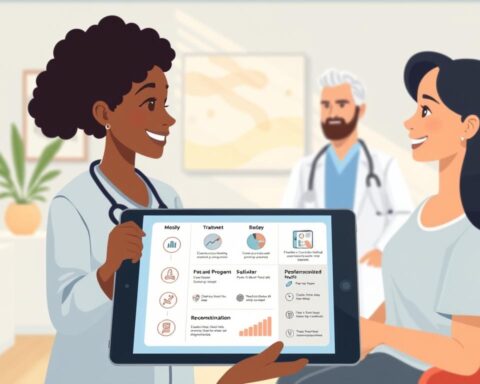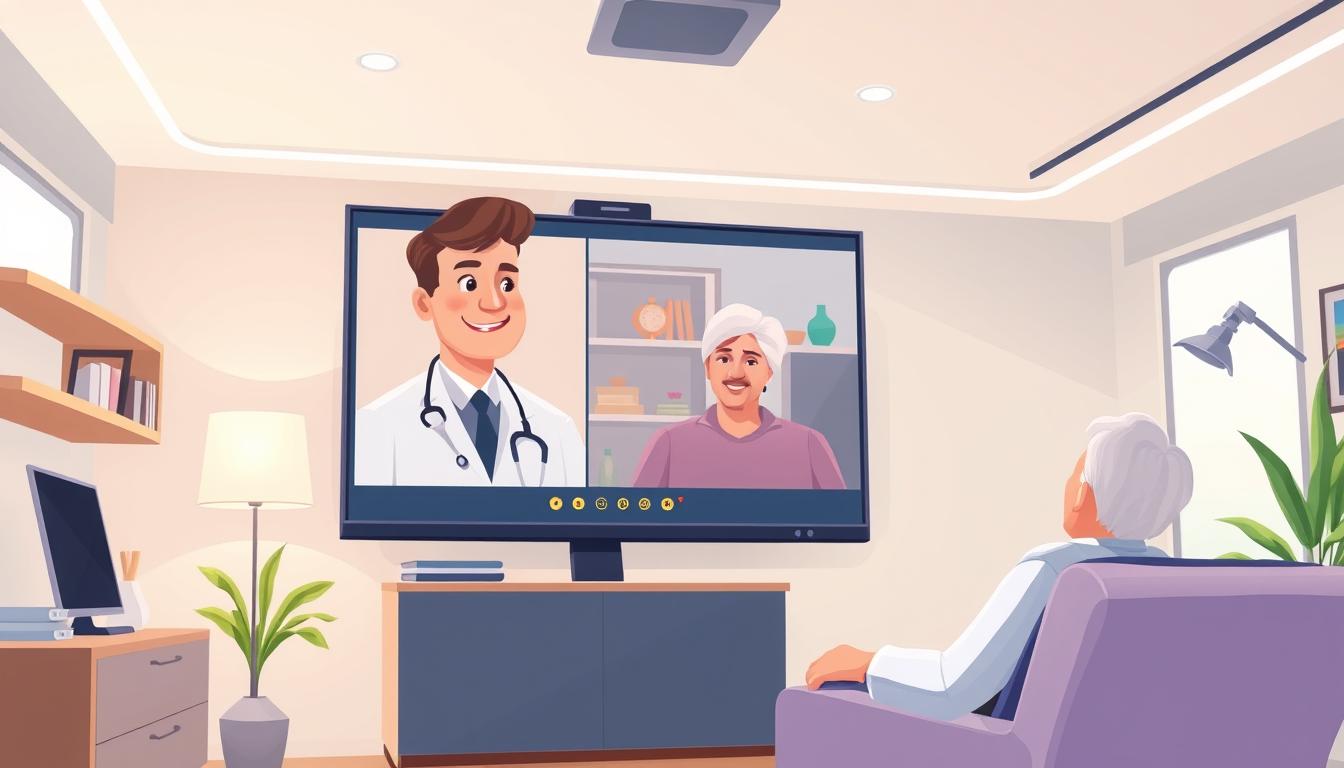
Imagine a late-night call with a worried parent or a patient in a rural area. These moments show the power of telehealth. They make care clearer, faster, and more reliable.
This guide looks at new ways in virtual healthcare, telemedicine, and digital health. By 2025, we’ll see big changes. McKinsey says over 50 million visits could move online. The market could hit $286.22 billion by 2030.
There are big challenges in telehealth. Health systems struggle to use one platform for everything. Staffing is key, with choices like using own doctors, hiring from tech vendors, or locum tenens.
Technologies like AI, RPM, and VR are changing healthcare. AI is already helping doctors make faster, better decisions. Learn more at AI in healthcare: diagnosis and beyond.
Key Takeaways
- Telehealth future trends and innovations will reshape access and workflow across hospitals and clinics.
- Virtual healthcare developments can convert millions of visits to virtual settings and expand capacity.
- Telemedicine advancements require unified platforms that integrate EHRs, billing, and scheduling.
- Staffing models—internal, vendor pools, locum tenens—have distinct tradeoffs for scale and control.
- Digital health solutions such as AI, wearables, and VR are the principal enablers of sustainable growth.
The Rise of Telehealth: An Overview
Telehealth has grown from small projects to a big part of healthcare. The pandemic made it grow fast. Now, health systems are working to make it better and more lasting.
At first, telehealth was used for follow-ups and checking on chronic conditions. It showed that virtual care can keep care going without needing to travel. As it got better, health groups started to see which visits work best online.
Big companies like Walmart and UnitedHealth Group tried different ways to use telehealth. They then changed to focus on what works best and can grow. This change helps health systems to work better together.
Historical Context of Telehealth
Telemedicine has been around for a long time, but the pandemic made it more accepted. Providers quickly started using it to keep care going. Now, IT teams are working to make sure these systems work together well.
At first, telehealth was used for easy visits. But by 2024–2025, it became a key part of healthcare. Hospitals and clinics decided which visits should be online and which need to be in person.
Growth Drivers in the Post-Pandemic Era
There are not enough doctors in some areas, like psychiatry and oncology. Telehealth helps reach more people, even in rural areas. It helps those who don’t have doctors nearby.
Costs are also a big reason for using telehealth. It can save money on some things. Hospitals want to use telehealth to save money and keep care good.
People want easy ways to get care, like through apps. Health systems are making it easier for patients to get care online. This makes patients happier and more involved in their care.
Rules and laws also play a big part. Changes in rules help telehealth grow. Payers and regulators will decide what works best in the long run.
Key Technologies Shaping Telehealth
Telehealth is becoming more common because of new tools. These tools help doctors and patients in many ways. They make care faster and safer.
Artificial Intelligence and Machine Learning
Artificial intelligence makes things faster. Chatbots check symptoms, and automated transcription saves time. Predictive models find patients at high risk.
Big cloud providers like IBM Watson Health and Amazon Web Services help. They make it easy to add AI to telehealth.
Clinical decision support systems and diagnostic assistants help doctors. They make imaging and lab results more accurate. Studies show AI can make some diagnoses better.
Hospitals use AI for scheduling and claims. This helps doctors focus on patients. But, we must watch out for risks.
Algorithms need to be checked, and data must be fair. We need to be open about how we use AI. This builds trust.
Wearable Devices and Remote Monitoring
Wearables and IoMT sensors track health at home. They include ECG patches, glucose monitors, and more. These tools help manage chronic diseases and check on patients after surgery.
More doctors are using RPM for cardiology, diabetes, and internal medicine. Real-time data helps doctors and patients. It cuts down on hospital visits.
But, connecting these devices to EHRs is hard. We need secure ways to share data. When we do, we can make better care plans.
Virtual Reality in Telehealth Applications
Virtual reality is becoming a big deal in healthcare. It changes how we care for patients and train doctors. This part talks about how it makes learning better and fits into new healthcare trends.
Enhancing Patient Engagement
VR and AR help with pain, therapy, and rehab. They make it fun and easy to do at home.
Studies show it can make pain feel less and help people want to keep going with therapy. This makes it a great tool for helping patients stick to their treatment plans.
Research shows it works well. Kids with cerebral palsy get better balance, doctors make fewer mistakes, and people with MS move better. For more info, check out this detailed review.
Training and Education for Healthcare Professionals
VR simulators teach doctors how to do teleconsultations. They learn how to talk to patients online, do exams, and fix tech problems. It’s like practicing without affecting real patients.
It helps train more people at once. This makes sure everyone does things the same way. It also helps doctors learn new skills, like being a virtual care leader.
- Standardized simulations for teletriage and remote physical exams
- Team-based scenarios to rehearse escalation and handoffs
- Scenario libraries that map to regulatory and clinical competencies
Using these tools is part of the future of telehealth. It helps companies create new services that meet their goals.
Telehealth Regulations and Compliance Issues
Telemedicine is growing fast. This means rules and privacy laws are changing too. Health teams must follow these rules to keep patients safe and care for more people.

Video visit platforms must keep patient data safe. They use strong encryption and control who can see data. They also have clear rules for keeping data safe.
Health systems use special agreements with companies like Zoom. These agreements help everyone know their roles and how to handle problems.
When adding new tools, like video or AI, it’s important to check if they follow HIPAA. These tools must have clear rules for handling data. They should also connect well with electronic health records.
State Licensure Challenges
Getting care from doctors in other states is hard. Most states require doctors to have a license there. But, some states make it easier with special compacts.
During the COVID-19 crisis, rules changed to help more people get care. Now, some of these changes are ending. But, some rules will stay until 2024.
Health systems need to plan carefully because rules vary by state. They can use doctors with licenses in many states or create local teams. This helps them follow the rules and get paid for services.
Future rules will affect how doctors prescribe certain medicines and protect patient data. The DEA will make new rules in 2025. Some states also have their own laws to protect health information.
To keep up with changes, it’s good to read summaries like this one from JMIR. This helps teams make sure their care is safe and follows the rules.
Patient Experience: A Central Focus
Patient experience is now key in how services are designed and partners are chosen. Digital health solutions focus on ongoing care, not just one-time visits. This approach leads to better health outcomes and happier patients.
Improving Accessibility and Convenience
The digital front door model lets patients start with a virtual visit. They use apps and portals to book and connect with doctors. Patients want easy, mobile-friendly experiences, like those in popular apps.
Many visits are for follow-ups, routine checks, and prescription renewals. Video calls are common, making reliable video and easy scheduling very important.
Designing for ease means simple login, good video, and easy scheduling. Clear billing and follow-up care keep care consistent. Tools like video APIs and RPM dashboards help keep connections stable and care ongoing.
Addressing Health Disparities
Telehealth can help those in rural or underserved areas get more care. But, it needs good internet, devices, and skills. Without these, not everyone benefits equally.
WHO and ITU offer tools to make telehealth more accessible. Designing services that are fair and effective is key. This way, more people can get the care they need.
Telehealth can make a big difference in areas lacking doctors, like in psychiatry and oncology. To make it work for everyone, we need to train teams and monitor progress. This way, we can make sure telehealth is available and fair for all.
Security Measures in Telehealth Systems
Telehealth platforms need strong security. As new tech comes, keeping data safe is key. This builds trust between doctors and patients.
Cybersecurity Best Practices
Start with basics like multi-factor authentication. Also, use end-to-end encryption for video and messages. Network segmentation helps keep things safe.
Do regular tests to find threats early. Make sure only needed people can access things. Have a plan for when bad things happen.
Check vendors well. Make sure they follow the same security rules. This keeps everyone safe.
Training staff is important too. Teach them about phishing and privacy. This helps everyone stay safe.
Data Privacy Concerns
Keeping patient info safe is more than just HIPAA. Use AI wisely and protect data well. Let patients know how their info is used.
Big data and digital models help but can be risky. Make sure to test for bias. This keeps care safe and new.
Be open with patients about their data. Tell them what’s collected and how long it’s kept. Let them choose what to share.
For tips on keeping telehealth safe, check out privacy and security of telehealth. It helps with rules, tech, and practice for safer care.
Integrating Telehealth into Traditional Care
Healthcare leaders are changing how care is given. They mix office visits with remote ones. This helps keep care going smoothly and opens up new ideas.
Hybrid Models of Care Delivery
Hybrid care mixes virtual and in-person visits. It uses maps and data to plan visits. This way, care fits the patient’s needs better.
Choosing who to staff affects care. Health systems can pick their own, use outside vendors, or temporary workers. Each choice changes how care is given, its quality, and cost.
Working together is key. Systems that connect different parts of care make things run smoother. This helps patients move easily between visits.
Benefits of Collaboration Between Providers
Telehealth lets specialists help more people without moving. It helps balance the need for doctors and hospital space.
Big centers can help smaller ones without needing to hire full-time doctors. This makes care better and more efficient. It also helps avoid doing the same thing twice.
Working together helps focus on what’s best for patients. As telehealth grows, it can make care better and more patient-friendly. This follows the latest trends and ideas in telehealth.
Innovations in Telepsychology and Behavioral Health
Telepsychology is changing how we get help for our minds. Doctors use digital tools and talk to us online. This makes it easier to get help when we need it.
Doctors have many tools to help us now. They can talk to us live, send messages, or use apps. Tools like SilverCloud Health help them treat us well.
Remote Therapy Options
We can get therapy from anywhere now. We can talk to doctors live or do things on our own. AI helps with simple tasks so doctors can focus on us.
Workplaces and health groups are using a mix of online and in-person therapy. This helps us keep getting better and shows real results.
Impact on Mental Health Accessibility
Online therapy makes it easier to get help, no matter where you live. It’s private and fits into our busy lives. This helps more people get the help they need.
We need fair payment and rules to keep online therapy growing. It’s important to check if it’s working and train doctors for online care. This way, we can get better care for our minds.
When we get mental health help with our regular doctor, we do better. We get help sooner and manage our health better. This is what the future of online health care is all about.
Future of Telehealth Reimbursement Models
Payors, providers, and tech vendors are changing how we pay for remote care. After the pandemic, new rules will guide how fast we adopt these changes. Everyone needs to keep up with trends and adjust billing to avoid losing money.
Right now, rules vary by state and by insurance company. Medicare and Medicaid are testing new ways to pay for remote care. Providers should stay updated on new codes and rules to get paid right.
Operational alignment makes things smoother. Using billing platforms and partners that help with claims can make things more accurate. It’s also important to choose vendors with contracts that last through changes in the field.
Evolving Insurance Policies
Insurers are trying out different ways to cover telehealth. They pay for live visits, online chats, and monitoring devices in different ways. Providers need to understand these rules to get paid.
Risk-sharing deals need clear goals. Telehealth helps track patient health, which is key for these deals. Good data helps prove the value of telehealth.
Considering Value-Based Care
Value-based care ties payment to results, not just how many patients you see. Telehealth helps prevent problems and manage chronic diseases better. This can lower hospital readmissions and help with shared savings.
It’s important to use data well. Dashboards that show patient data help negotiate with payers. Staffing should match program goals, using in-house doctors for regular care and contractors for extra help.
| Area | Short-Term Focus | Long-Term Opportunity |
|---|---|---|
| Policy & Coding | Track CPT updates and state rules | Standardized codes for remote services |
| Revenue Cycle | Automate claims capture and verification | Integrated platforms that reduce denials |
| Care Models | Offer mixed synchronous and asynchronous care | Fully integrated value-based care telehealth programs |
| Metrics | Collect RPM and visit data for billing | Use analytics to prove outcomes and secure shared savings |
| Technology | Adopt compliant telemedicine advancements | Build population-health platforms for negotiation |
The Global Perspective: Learning from Other Countries
Health systems around the world offer useful ideas for the U.S. The World Health Organization and the International Telecommunication Union have shared tips. They helped countries build big telehealth systems linked to electronic health records and more.
These global models show how working together and training everyone can help. They also show how making sure everyone can access care is key.
Many countries worked on getting better internet and teaching people about technology. This helped reach more people, showing that good tech is important for fairness. They also learned how to make telemedicine grow steadily, not just in emergencies.
Successful International Telehealth Models
Good digital health systems in other countries work together well. They use the same systems for scheduling, billing, and tracking patients. They also use new tech like AI and virtual reality in a safe way.
This makes their care better and can grow easily.
Lessons for the U.S. Healthcare System
The U.S. can learn a few important things. First, making things standard can help a lot. It can make things easier and reduce stress for doctors and staff.
Second, making policies work together can help too. It can make it easier for doctors to work across states and get paid right. Lastly, making sure everyone has access to care is very important.
By using the best technology, good rules, and flexible teams, the U.S. can offer care that is focused on patients. This care will reflect the latest trends and innovations in telehealth.
FAQ
What is the scope and goal of this telehealth outlook?
This outlook looks at new telehealth tech, rules, and how care is given. It also talks about patient needs and business impacts until 2025. It helps entrepreneurs, leaders, and innovators use telehealth well.
How large is the telehealth market and what is the adoption rate?
The telehealth market is expected to hit about 6.22 billion by 2030. McKinsey says over 50 million visits could switch to virtual ones. This shows big chances for providers who use telehealth well.
What central operational challenge do health systems face when scaling telehealth?
Health systems struggle with old, broken telehealth systems. They need a single system that works for everyone. This system should handle scheduling, billing, and more to make care better.
What staffing models work best for telehealth and what are their tradeoffs?
There are three main ways to staff telehealth: using own doctors, hiring from tech companies, or using temporary doctors. Each has its own pros and cons. Temporary doctors make it easier to work in many states.
Which technologies will most influence telehealth growth?
AI, RPM, VR, and AR are key. They help make care better and more efficient. These techs support virtual care in many ways.
How has telehealth evolved during the COVID-19 pandemic?
Telehealth grew fast during COVID-19. It helped keep care going. Now, it’s becoming a key part of care plans, not just a quick fix.
What are the main drivers pushing telehealth adoption post-pandemic?
Many things are pushing telehealth forward. These include a lack of doctors, wanting to save money, and patients wanting digital care. Better planning and understanding of care needs help too.
How is AI integrated into telehealth, and what risks should leaders manage?
AI helps with chatbots, transcription, and more. Big cloud companies help make it work. But, leaders must watch for bias and make sure AI works right.
What role do wearables and RPM play in virtual care?
Wearables and RPM help keep an eye on patients. They send alerts and help manage chronic conditions. They need to work well with EHRs and analytics.
How can VR improve patient engagement and clinician training?
VR helps with pain, therapy, and training. It makes learning and care better. Clinicians can practice and improve their skills.
What HIPAA and privacy safeguards must telehealth platforms implement?
Platforms must protect patient data. They need to use encryption and follow rules for sharing data. They also need to handle AI and privacy well.
How do state licensure rules affect telehealth delivery?
Rules vary by state. Providers need a license where patients are. Waivers helped during the pandemic, but long-term plans must consider these rules.
Which patient experience features are most important for telehealth success?
Good telehealth needs a smooth start, easy login, and clear billing. It should also follow up well. Patient portals and RPM dashboards help keep care going.
Can telehealth reduce health disparities or does it risk widening them?
Telehealth can help those who can’t get care easily. But, it needs good internet and devices. It’s important to make sure everyone can use it.
What cybersecurity practices are essential for telehealth systems?
Keeping systems safe is key. This includes strong passwords, encryption, and checking for bugs. It’s also important to choose vendors carefully.
How should organizations balance innovation with data governance?
It’s important to be open with patients and protect their data. This means clear rules for using data and keeping it safe. It helps build trust and supports better care.
What are viable hybrid models for mixing in-person and virtual care?
Hybrid models use both virtual and in-person care. They make sure patients get the right care at the right time. This helps doctors work better together.
How can collaboration between providers extend specialty access?
Sharing specialists helps more people get care. It makes care better and more efficient. This is good for everyone involved.
What remote therapy and digital therapeutics are proving effective in behavioral health?
Telepsychology and digital therapeutics help with mental health. They use apps and AI to help more people. This is good for those who need help.
How is reimbursement evolving for telehealth and RPM?
Reimbursement is changing. Payers are starting to cover more. Providers need to track how they bill and choose the right technology.
How does telehealth support value-based care?
Telehealth helps with value-based care by improving chronic care and reducing hospital stays. It needs good data and planning to show its value.
What lessons can the U.S. health system learn from international telehealth models?
Other countries focus on working together and using technology well. The U.S. can learn from them. This will help make telehealth better for everyone.
What are the practical next steps for health leaders planning telehealth scale-up?
Leaders should plan a system that works for everyone. They need to decide how to staff it and invest in technology. They must also keep data safe and make sure everyone can use telehealth.