Waiting for care can feel like time is standing completely. A parent needs quick follow-up after the hospital. A rural clinic wants to reach a specialist far away. An older adult has many medicines to keep track of.
Telehealth can make waiting shorter. It uses video visits, remote monitoring, and apps. This can change things for the better.
Telehealth is not just one thing. It’s a group of digital tools. Video calls, audio-only talks, and apps all help. Studies show it can lower hospital stays and costs.
This is good news, but it depends on how it’s used. Things like technology and how doctors are trained matter a lot. It also needs to be affordable and easy to use.
Using the 6A model helps figure out what works and what doesn’t. It looks at things like how easy it is to get to and use. This helps make telehealth better for everyone.
Key Takeaways
- Telehealth is a suite of practices—video, audio, store-and-forward, remote monitoring, and apps—that can improve care quality and access.
- Evidence shows reductions in admissions, readmissions, and spending when telehealth is implemented thoughtfully.
- Telehealth’s impact on healthcare outcomes is strongest in underserved and rural areas, but depends on implementation and infrastructure.
- Barriers such as digital literacy, broadband, affordability, and cultural acceptance must be addressed for sustained success.
- The 6A framework offers a practical lens to design equity-focused, outcome-oriented telehealth programs.
Understanding Telehealth and Its Benefits
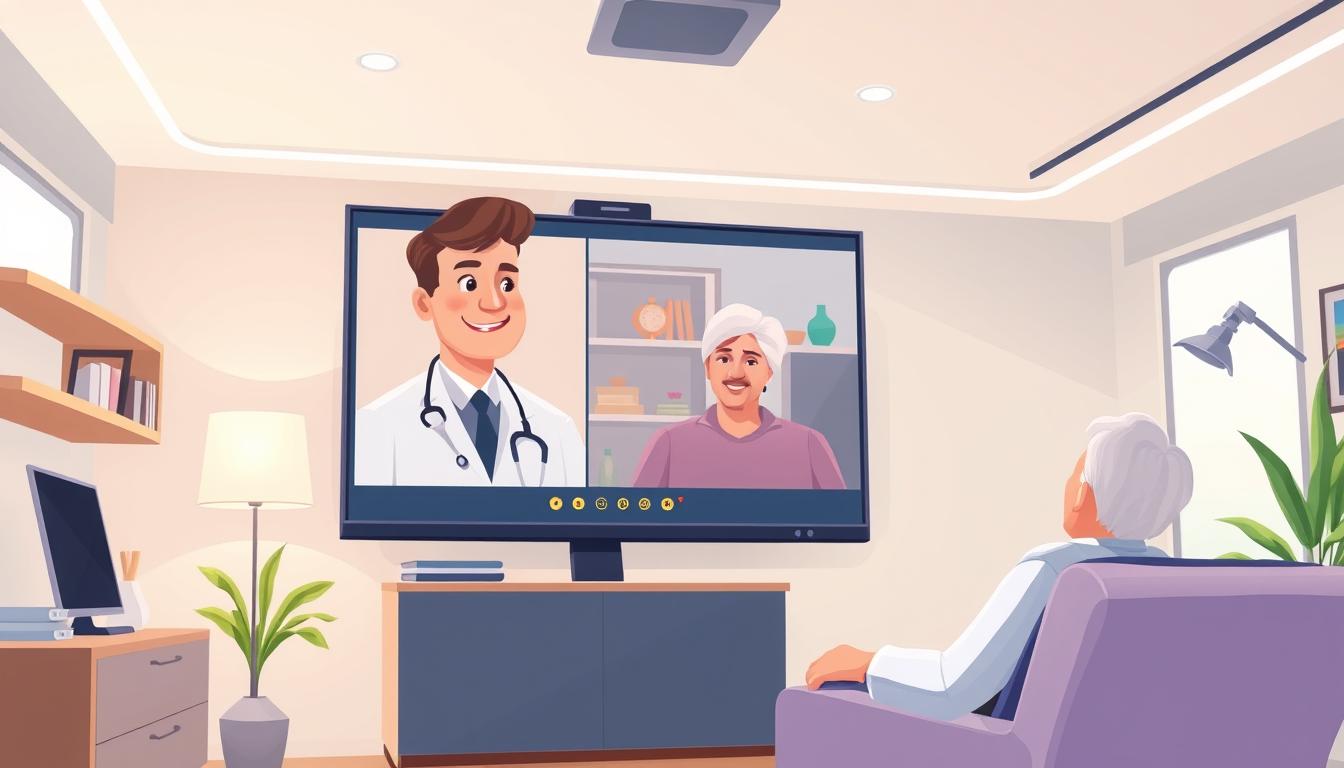
Telehealth uses technology to help doctors and patients from far away. It includes video calls, phone calls, and sending health info. It also uses mobile apps and AI to help more people.
Definition of Telehealth
Telehealth connects doctors and patients through networks and devices. It can be live, like video calls, or not, like sending pictures. It helps doctors care for patients better and faster.
Key Features of Telehealth
Telehealth has many features like live and not-live care, and tracking health from afar. It works with health records and uses apps to reach more people. It also uses data to help health plans.
For example, it helps with surgeries and tracks health with wearables. This leads to better care and fewer problems.
Benefits Over Traditional Healthcare
Telehealth saves time and money, and helps those in remote areas. It gets doctors’ advice faster, which can make surgeries better. It also helps avoid going to the hospital too much.
It works well for follow-ups and managing chronic conditions. But, it’s not perfect for all exams or surgeries yet.
Starting telehealth needs a plan and the right technology. It’s about making healthcare better and measuring its success.
| Domain | Core Feature | Typical Benefit | Representative Metric |
|---|---|---|---|
| Acute Care | Synchronous video consults, telestroke networks | Faster specialist input; reduced door-to-treatment times | Time-to-treatment; mortality rates |
| Chronic Disease | Remote patient monitoring; asynchronous check-ins | Better disease control; fewer admissions | Readmission rates; HbA1c or BP control |
| Mental Health | Teletherapy; secure messaging | Improved access; higher engagement | Appointment adherence; symptom scales |
| Surgical Support | Telementoring; mixed-reality proctoring | Enhanced surgeon expertise in remote sites | Complication rates; procedure times |
| Population Health | Data analytics; EHR integration | Targeted outreach; improved preventive care | Screening uptake; vaccination rates |
Telehealth’s Role in Chronic Disease Management
Remote care is changing how we manage chronic diseases. It moves from just visits to ongoing, data-based care. Telehealth uses tools like remote monitoring and virtual coaching to catch problems early and treat them better.
Continuous Monitoring and Support
Wearables and remote monitoring track vital signs like blood pressure and heart rate. This lets doctors spot issues before they get worse. It also helps avoid emergency visits by acting fast when needed.
How well devices work and connect is key. They must also link up with health records. Care teams need clear plans and support to act on the data they get.
Improved Medication Adherence
Studies show mixed results on how well people stick to their meds. Some groups did better with blood pressure meds, but others didn’t do as well with diabetes or cholesterol meds. This shows we need different plans for different conditions.
Telehealth needs to think about how hard it is to follow a treatment plan. It also needs to consider lab tests and costs. A mix of online and in-person visits seems to work best for keeping people on track.
Patient Education and Self-Management
Teaching patients and using digital tools can help them manage their health better. When monitoring is paired with education, people see better results and need fewer doctor visits.
It’s important to make sure patients can use these tools. They need to be affordable and fit their culture. Helping patients understand and accept these tools is key to success.
When measuring success, look at hospital visits, emergency trips, how well patients take their meds, and health markers. Using telehealth with local clinics helps improve care without losing the value of face-to-face visits.
For more on AI in healthcare, check out this short guide: AI in healthcare: diagnosis and beyond. This info can help you make better telehealth plans and build strong chronic care programs.
Enhancing Access to Care Through Telehealth
Telehealth changes how we see doctors. It lets us talk to them from home. This makes getting care easier and better.
Reaching Underserved Populations
Telehealth brings special care to places far from cities. It helps with things like brain surgery and stroke care. This way, people don’t have to travel far.
Studies from 2012 to 2023 show it works well in rural areas. But, not everyone knows about it. We need to tell more people to make it fair.
Reducing Geographic Barriers
Telehealth helps with urgent brain issues. It lets doctors guide surgeries from far away. This makes care faster and safer.
In places like China, it’s shown to save money. It also works better with 5G than 4G. This means it can be more effective when we need it most.
Transportation and Time Savings
Virtual visits save time and reduce missed work. People in Nigeria, India, and the US like it. It’s great when traveling is hard.
In Mississippi, a study showed it’s good for the system too. It means fewer hospital stays and less money spent. This is good for everyone.
We need to keep working on it. The study found some groups use it more than others. We must make sure everyone can benefit from it.
Strengthening Communication Between Providers and Patients
Good communication helps doctors make better choices and patients feel more confident. Telehealth makes it easier for doctors to talk to patients in real time. It also helps patients stay involved between visits.
These steps help make telehealth better for health outcomes. This happens when everyone knows how to use it well.
Real-Time Consultations
Video and audio visits help doctors make quick decisions. They are very helpful in urgent situations like strokes. Doctors can also get help from experts in surgeries and other complex procedures.
Doctors learn how to do remote exams well. They also know when to call for face-to-face care.
Increased Patient Engagement
Telehealth makes it easier for patients to keep up with care. Many patients are happier and more involved when they can do follow-ups online. This is true for surgeries and ongoing care.
But, some patients may need more help. This includes those who are older or have less access to the internet. Teams can use messages and simple instructions to help.
Enhancing Follow-Up Care
Telehealth helps doctors keep up with patients better. It helps catch problems early. This is true for things like brain surgery and after-care.
It also saves money by reducing the need for hospital visits. Doctors can adjust medicines and track how patients are doing. This helps keep care high quality and catches any issues early.
- Tip: Train staff in remote assessment and document standard workflows.
- Tip: Use a mix of synchronous visits and asynchronous messages to maintain contact.
- Tip: Define escalation rules so patients access in-person care when risk rises.
Overcoming Telehealth Challenges in Implementation
Starting telehealth needs careful steps. Leaders must think about tech, staff, and laws. They aim to make care better and more accessible.
Technology Barriers
Slow internet, power issues, and lag are big problems. These issues stop advanced telehealth like surgeries and detailed teaching. Devices and systems that work together are also hard to find.
To solve these, we need fast internet and 5G. We also need simple visits for those with slow internet. Mixing in-person and online care helps keep quality high and reaches more people.
Patient Resistance
Many worry that online visits aren’t as good as real ones. In places like Nigeria, people with brain issues are very concerned. They like seeing doctors face-to-face.
We can make patients feel better by reaching out to them. Making apps easy to use and teaching them in simple terms helps. Adding local clinics for some visits makes patients feel more secure.
Ensuring Privacy and Security
Rules and laws about sharing health info are unclear. This makes it hard to use telehealth across borders. It’s important to keep patient info safe with strong tech and clear rules.
Having clear rules and agreements helps grow telehealth. Policymakers and payers need to work together. This way, we can make sure telehealth is safe and works well.
Training doctors, teaching patients, and making laws better are key. For more info on how to make telehealth work, see this summary from a trusted source.
Fixing telehealth needs work from everyone. When tech, staff, and laws work together, telehealth can really help without risking safety.
Telehealth and Mental Health Services
Telehealth has changed how we get help for our minds. Doctors use video calls, messages, and mix both to help more people. This way, they reach those in rural areas faster and cut down wait times.
Expanding Access to Therapy
Teletherapy and telepsychiatry bring help to places with few experts. Video calls let for full sessions. Messages help with follow-ups and quick checks.
Places that use digital helpers and mix clinics see happy patients and quicker starts. Using virtual care cuts down on emergency visits and hospital stays. This shows telehealth works well for better care.
Addressing Stigma in Mental Health
Remote care is private and easy, making it less scary to ask for help. It’s anonymous and flexible, helping people start sooner and stay longer. This shows telehealth does more than just give access; it changes how we seek help.
To keep trust, use secret platforms and clear consent. Train doctors to talk in a way that respects all cultures. This keeps patients coming back and helps them more.
Effectiveness in Crisis Situations
Telehealth kept crisis care going during the pandemic. It’s good for common issues like depression and anxiety. Quick video or phone checks can send people to emergency care when needed.
For serious cases, a mix of care works best. For example, clinics for substance use have high success rates and save money when using telemedicine with local help.
Start with secure platforms and clear crisis plans. Train doctors to assess risks remotely and connect with local help. Watch how symptoms change and how often people go to the hospital. This helps make care better over time. For more info, see this review on telemedicine in clinical practice.
| Area | Telehealth Role | Key Metrics |
|---|---|---|
| Access | Video visits, messaging, hybrid clinics | Wait-time reduction; % new patients engaged |
| Stigma Reduction | Private, convenient care options | Self-reported willingness to seek care; retention |
| Crisis Response | Rapid triage, linkage to emergency services | Time-to-triage; hospitalization avoidance |
| Outcomes | Remote monitoring and follow-up | Symptom reduction; telehealth effectiveness on patient health outcomes |
| Value | Reduced ED visits; cost savings | ED visit reduction; hospitalization avoidance |
Telehealth in Preventive Care
Telehealth helps with early detection and support. It makes health care more personal and timely. Health systems use it to help many people at once.
Virtual Screenings and Assessments
Remote screenings find risks without a visit. Doctors look at photos and ask questions. They also get help from specialists.
This helps find problems early and get the right care.
Promoting Healthy Behaviors
Digital health coaching helps make healthy choices. Apps remind people to stay healthy. Tele-nutrition and counseling help track progress and give feedback.
This helps lower risks like high blood pressure and smoking.
Reducing Emergency Room Visits
Video or phone calls help avoid ER visits. Telehealth lets doctors manage issues without a visit. It helps get care when needed.
Studies show it can reduce hospital visits and admissions. It helps focus ER on real emergencies.
Track screenings, hospital visits, and risk control to see how well it works. This helps make telehealth better for everyone.
Telehealth Technologies Shaping the Future
New tools are changing how we get care. Telehealth uses software, devices, and networks for early detection and quick help. It also makes follow-up easier.
But, we need to make sure standards, money, and rules match these new ways.
There are three main areas making a big difference: artificial intelligence, mobile health, and wearables. Each one helps doctors and patients in different ways. But, we must make sure they are fair, private, and safe.
Artificial Intelligence in Telehealth
AI helps with sorting patients, predicting needs, and giving advice during virtual visits. It helps doctors focus on the most urgent cases. It also flags important alerts from data.
Doctors can get scores that tell them who needs help right away. This keeps care on track. It also makes sure AI is fair and keeps patient info safe.
Mobile Health Apps
Mobile apps make it easier to get care. They send reminders, let you message doctors, and do checks from afar. In places with less money, simple apps work well.
Apps help after surgery and teach about health. They help doctors work together better. This makes care better for everyone.
Wearable Devices and Remote Monitoring
Wearables track health signs all the time. They show when someone’s health is getting worse. This helps doctors act fast.
Good programs link these devices to health records and teams. New tech like 5G makes it all work better together.
For more on how telehealth grew during the pandemic, check out this review: key telehealth implementation insights.
These new telehealth tools work together: sensors, platforms, analytics, and rules. When they all work together, they can make care better. They also help make sure telehealth is safe and fair for everyone.
Evaluating the Impact of Telehealth on Healthcare Outcomes
Telehealth’s effect on health care is now easier to measure. Studies and real-world checks show its benefits. A big review of 42 studies found telehealth is easy to use and accept.
In Mississippi, a study of 199,829 Medicare users showed good results. There were fewer hospital stays and less spending. This was after adjusting for how much primary care they got.
Looking at different health areas, like brain surgery, shows more good news. In low-income countries, telehealth helps more people. It makes patients happy and saves money in some cases.
But, there are challenges like not enough tech and limits in exams. Feedback from patients in spine and brain surgery is very positive. Yet, how happy patients are also depends on their money status and how tech-savvy they are.
Good telehealth metrics include how often people use it and how it affects health. It also looks at how much money it saves and how well patients do. It checks if everyone has the same chance to use it, like if they are old or from a small town.
For telehealth to really help, we need to keep checking on it. We should use strong data and listen to what patients say. This way, we can make sure telehealth works well for everyone.
FAQ
What is telehealth and which modalities improve healthcare outcomes?
Telehealth uses technology to give care from far away. It includes video calls, audio calls, and more. It helps with chronic diseases and mental health by reducing wait times.
How does telehealth affect hospital admissions, readmissions, and spending?
Studies show mixed results but are hopeful. A big study in Mississippi found less hospital use and spending. But, results vary and need careful study.
For which clinical uses is telehealth most effective?
Telehealth works best for follow-ups and managing chronic diseases. It’s also good for mental health and specialist consultations. But, some procedures need in-person care.
Can telehealth improve medication adherence?
It depends on the condition. Some studies show small improvements in taking medicine. But, it’s not the same for all conditions.
How does remote patient monitoring (RPM) improve outcomes?
RPM tracks health data like blood pressure. It helps doctors act fast when needed. It works best when data is used right away.
Does telehealth work well in rural and resource-limited settings?
Yes, it’s very helpful in these areas. It brings specialist care and reduces the need for travel. But, it needs good internet and devices.
What are the main barriers to telehealth improving healthcare quality?
Big challenges include lack of internet and devices. Also, some people don’t want to use it. Training doctors is also a problem.
How can programs overcome technology and connectivity challenges?
Use good internet and devices that work together. Offer simple options for those without good internet. Make sure care can switch to in-person when needed.
How should teams handle patient resistance or low digital literacy?
Teach people about digital tools in a way they can understand. Offer simple options and help with devices. Make sure to check if people are using it.
What privacy, security, and regulatory issues must be addressed?
Keep patient data safe with strong security. Follow laws about sharing data. Make sure everyone knows how to use telehealth safely.
How effective is teletherapy and telepsychiatry?
They make it easier to get mental health help. They help with depression and anxiety. But, some cases need more help.
Can telehealth reduce emergency department visits?
Yes, it can help by managing problems early. This might lower the number of times people go to the ER. But, it’s not the same for all cases.
What role do AI, mobile apps, and wearables play in telehealth’s future?
AI helps doctors make decisions faster. Mobile apps and wearables keep track of health. They make care more personal and effective.
What outcome metrics should organizations track to evaluate telehealth?
Look at how often it’s used and how it affects spending. Check if people are taking their medicine and if they’re happy with care. Also, see if it’s fair for everyone.
What best practices ensure telehealth delivers real health improvements?
Start by knowing what it’s for. Use technology that fits the need. Train doctors and make sure it’s covered by insurance. Keep improving and make sure it’s fair for all.