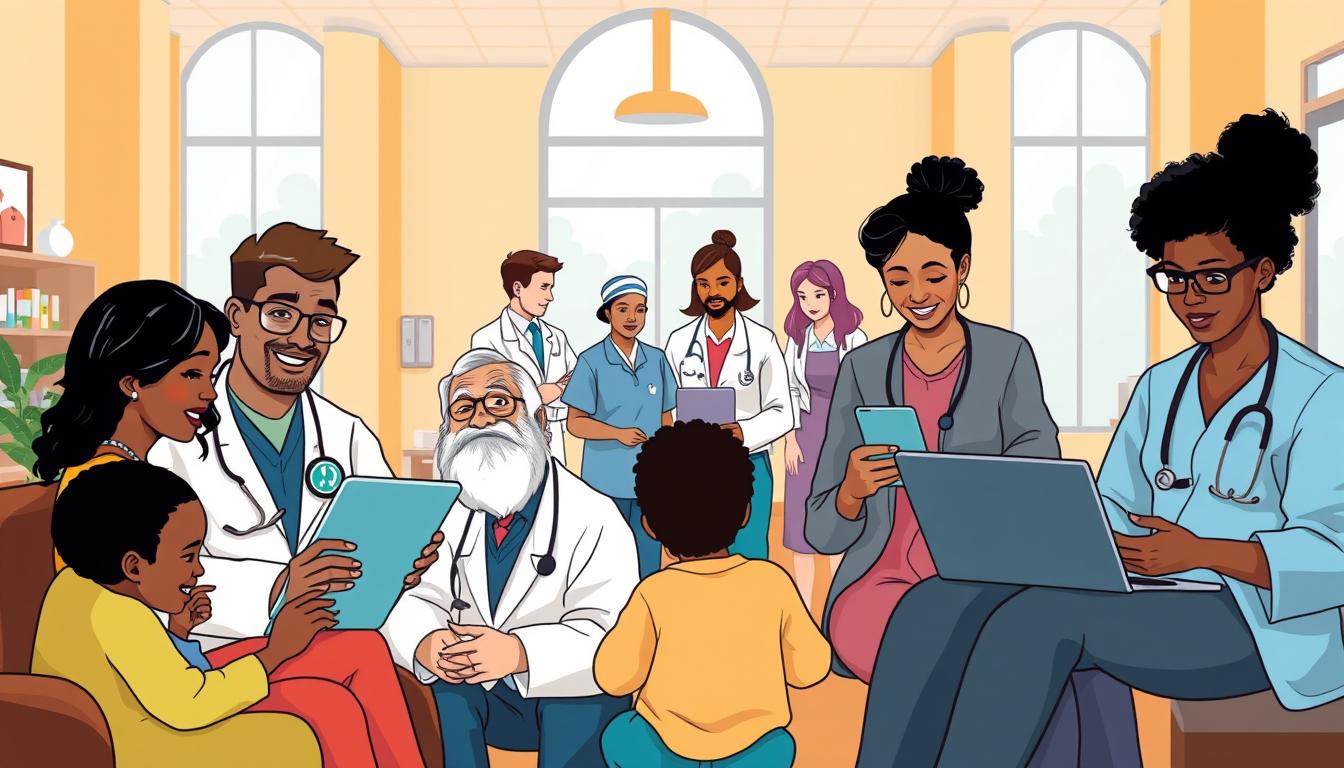
There are moments when a simple video call can change a life. A parent in rural Ohio, a senior in Phoenix, and a young adult in South Los Angeles all needed care fast. These moments show the power of telehealth and the work to make it fair for everyone.
This article will guide you on how to make telehealth better for those who need it most in the U.S. Telehealth use soared during COVID-19, from 15% to 86% of providers. Now, it’s used in nearly 17% of all visits, with some specialties using it in 54% of visits.
Telehealth helps by making care cheaper, better for patients, and helps prevent problems. But, it’s not perfect. There are gaps in care for different races and ages. Also, some people can’t use it because of technology or language barriers.
This section will show you how to make telehealth better for everyone. We’ll talk about policy, technology, money, training, and working with communities. We’ll also share tips and studies that show how to make telehealth work better.
Key Takeaways
- Telehealth accessibility for underserved populations has grown rapidly but faces major inequities.
- Virtual healthcare equity improves cost, convenience, and preventive care when programs are designed intentionally.
- Remote healthcare access for vulnerable groups depends on technology, funding, and culturally competent care.
- Provider training—specifically age-friendly, 4M-based education—boosts effective telehealth delivery.
- Actionable solutions require coordinated policy, community partnerships, and measurable evaluation.
Understanding Telehealth and Its Importance
Telehealth changes how care reaches those who can’t get it easily. It’s important for leaders to know how to use it well. This part explains key terms and shows how telehealth helps make care fairer.
Definition of Telehealth
The World Health Organization says telehealth uses tech to give health services. This includes video visits, chats, and monitoring patients from afar. It also includes writing prescriptions online and doing tests and treatments with tech.
Telemedicine is a part of telehealth. It’s when doctors talk to patients face-to-face on video. Other ways like talking on the phone or texting also count if they help doctors make decisions. Using the right words helps programs help those who need it most.
Benefits of Telehealth Services
Telehealth makes it easier to get care. It helps people who can’t make it to the doctor’s office. Studies show it can even lower hospital visits for things like diabetes.
It also makes care better and helps doctors catch problems early. Online mental health services and managing diseases like HIV show better results. It’s good for people who can’t afford to go to the doctor.
There are many ways telehealth helps. For example, video calls and monitoring patients from afar. These show how it can really make a difference for those who need it most.
| Modality | Primary Benefit | Best Use Case |
|---|---|---|
| Video visits | Real-time clinical assessment and rapport | Chronic care follow-up, mental health therapy |
| Audio-only encounters | Low-bandwidth access and wider reach | Medication checks, triage, rural access |
| Remote monitoring | Early detection of deterioration | COPD, heart failure, diabetes management |
| E-prescribing | Faster medication access and adherence | Chronic medications, post-discharge care |
| Chat and asynchronous messaging | Convenient follow-up and education | Medication questions, test result reviews |
Challenges Faced by Underserved Populations
Getting care to all is hard because of many barriers. We need to understand these barriers to fix them. This way, we can make sure everyone gets the care they need.
Geographic realities
Rural areas are far from doctors and have few clinics. Telehealth can help by connecting patients to doctors online. For example, it helped people with diabetes manage their blood sugar better.
Economic and social factors
Poor families struggle with many things like not having a steady home. This makes it hard for them to get to the doctor. Things like education and income also affect their health.
Digital barriers and literacy
Not everyone has a computer or internet at home. This is a big problem for using telehealth. In Nevada, some groups had less access to online doctor visits than others.
Vulnerable subgroups
People who use drugs or are homeless often face stigma. But, if they trust the system, they might use telehealth. Knowing how to use technology also helps a lot.
Strategic implications
To fix these problems, we need to do a few things. We should improve internet access and make devices affordable. We also need to train doctors to work with different cultures. This way, we can help more people get the care they need.
The Role of Technology in Telehealth Accessibility
Technology helps bring care to places with little access. Good design and tools make telehealth work for everyone. This part talks about key platforms, mobile apps, and design choices for those who need it most.
Telehealth platforms and tools
Today’s telehealth has video calls, messages, and e-prescriptions. It also includes devices for monitoring patients and quick lab results. These tools help doctors act fast and keep care smooth.
Platforms must follow HIPAA rules and work on slow internet. They should offer different ways to connect, like video, audio, and chat. Easy ways to send referrals and do tests at home help keep care going without emergency visits.
Mobile health applications
Smartphones are key for those with little internet access. Apps need to be easy to use and work on all devices. Simple designs and big text help more people use them.
Apps should be in many languages and have closed captions. They should also let patients send test results and get instructions. This helps keep people with chronic conditions out of the hospital.
Infrastructure and adoption strategies
Just having tech isn’t enough. We need devices, cheap internet, and places like libraries for access. Training staff at these places helps too.
Make systems easy to use. This means simple steps and clear language. Being reliable and having local support builds trust.
| Technology Area | Core Features | Benefit for Underserved Populations |
|---|---|---|
| Video & Audio Platforms | Adaptive bitrate, audio-only option, secure sessions | Works on slow connections; supports patients with limited data plans |
| Secure Messaging & E-prescribing | Encrypted chat, refill requests, medication history | Simplifies follow-up; reduces clinic visits for routine needs |
| EHR Integration | Shared records, lab links, referral workflows | Improves care coordination across providers |
| Remote Patient Monitoring | Wearables, at-home kits, API data feeds | Early detection of issues; lowers hospital readmissions |
| Mobile Health Applications | Offline modes, multilingual UI, large-text options | Increases adoption among smartphone-first users |
| Community Access & Support | Device lending, on-site navigators, subsidized broadband | Makes telehealth platforms and mobile health applications reachable |
Policy Initiatives Supporting Telehealth
The federal response to COVID-19 showed how policy can quickly increase access. Emergency rules made more telehealth services available. They also raised how much money doctors get for virtual care.
For telehealth to last, we need to keep payment the same, fund internet, and protect patient privacy. We should also help doctors learn to care for all patients well. Grants can help clinics and health centers to serve everyone better.
Federal Government Regulations
At the national level, we need clear rules on what’s covered, how much it costs, and how doctors can work across states. Keeping Medicare rules the same will help telehealth stay a good option. We’re looking at how to make sure doctors can work together and how to pay for telehealth fairly.
Studies show telehealth helped keep visits for people who are minority, on Medicaid, or on Medicare. It also helped reduce missed appointments. This early data helps us make better policies for telehealth. You can read more about it in a detailed analysis here.
State-Level Legislation
State laws are important for making telehealth work. They decide who can practice, what they can do, and if they get paid for phone calls. This affects how telehealth works across states and where doctors invest in technology.
Some states have laws that make telehealth fairer or have money for telehealth in communities. These steps help more people get telehealth services. States can also help get internet to more places and pay for phone calls to reach more patients.
Working together, the federal and state governments can make telehealth better. By focusing on helping those who need it most, we can make telehealth a regular part of healthcare.
Funding and Resources for Telehealth Programs
Funding and resources are key for telehealth to help those who need it most. We need public money, private help, and local efforts to cover costs. This includes internet, devices, staff, and training.
By mixing different types of funding, we can start projects and keep them going. This mix helps reduce risks and boosts chances of success.
Federal Grants and Support
The FCC, USDA, CMS, and HHS offer grants for telehealth. These funds help with internet, devices, and training. They also support studies and analysis.
Grants focus on giving out devices, paying for internet, and training staff. They also help measure how well telehealth works. Learn more about these opportunities here. Many types of groups can apply, like schools, non-profits, and businesses.
Community-Based Funding Opportunities
Local foundations and hospitals help fund telehealth in communities. They support kiosks, staff, and training. This helps connect people to virtual care.
Health systems, payers, and tech companies work together to fund community rooms. They provide internet and staff. This mix of funding helps projects last over time.
- Devices & connectivity: grants and donations for tablets or kiosks in shelters and clinics.
- Training: funds for teaching providers how to use digital tools and work with different cultures.
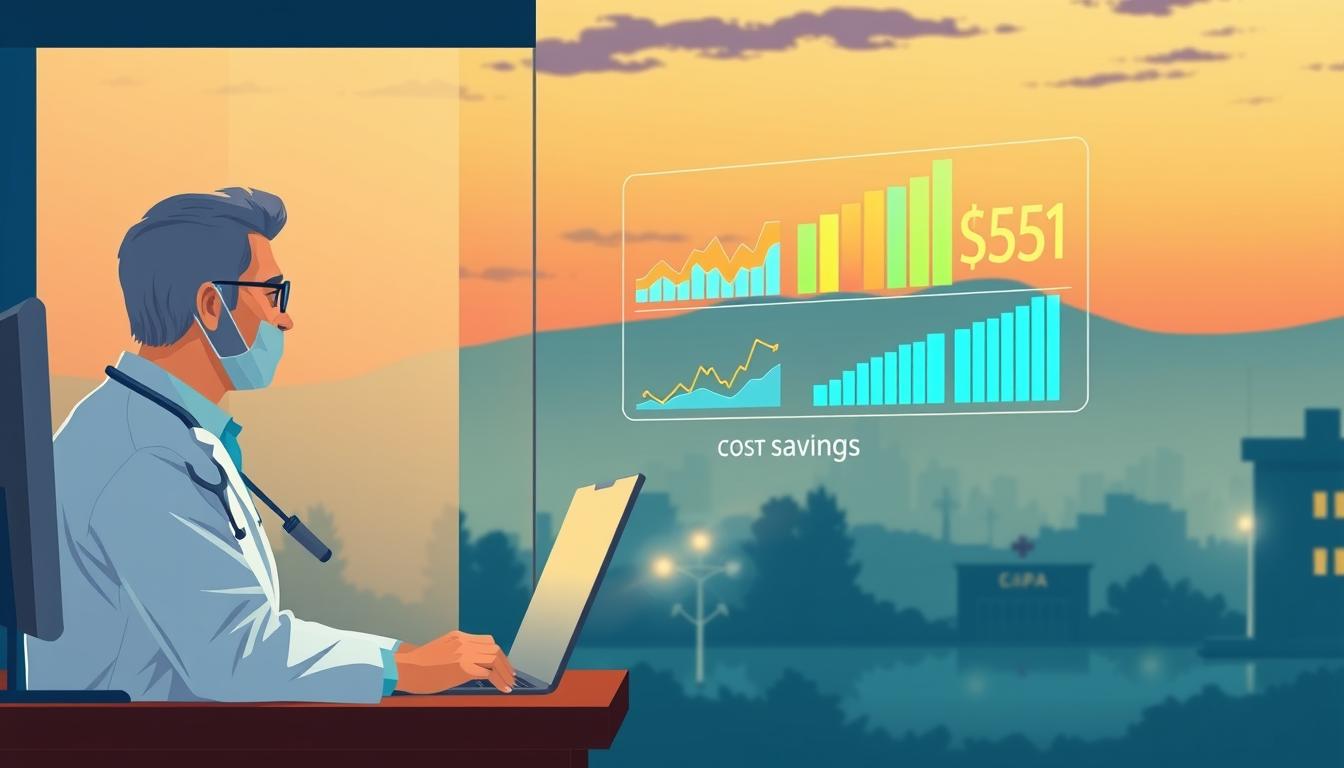
- Evaluation: support for collecting data to show how telehealth saves money by reducing hospital visits.
To keep projects going, we need a mix of short-term and long-term funding. This includes reimbursements and contracts. Models in Athens show how to make telehealth work for those in need.
Best Practices for Implementing Telehealth Services
Starting telehealth needs clear goals and teamwork. Programs should aim for fewer missed visits, better screenings, and lower hospital stays. They should match these goals with how they get paid.
Steps include many visit types, language help, and tech training. This helps patients feel ready to use telehealth.
Community Outreach Strategies
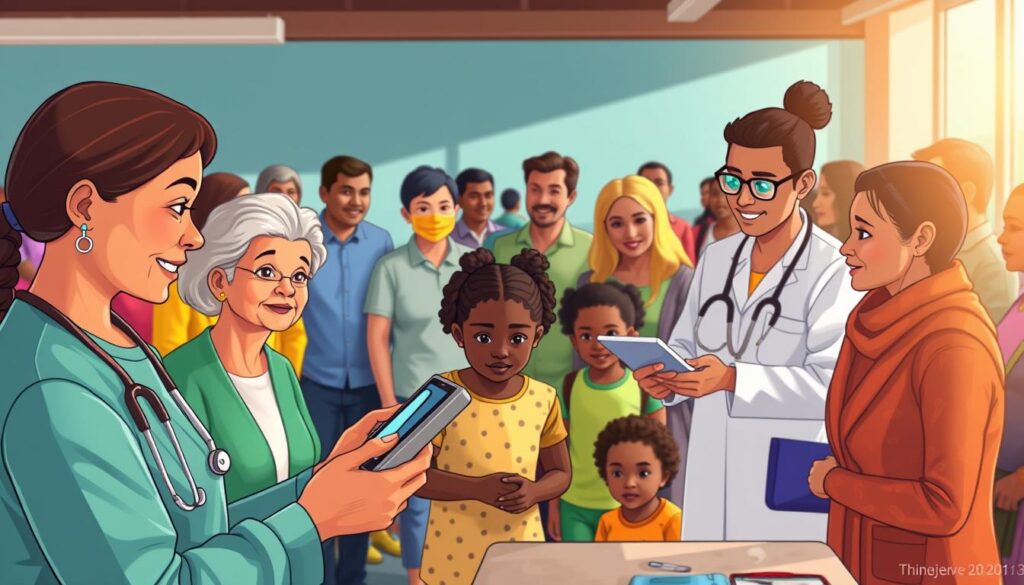
Team up with trusted groups to meet people where they are. Places like shelters and faith groups are great for starting telehealth.
Put devices and staff at these sites and offer help like free rides or devices. Meet people in person before using telehealth to build trust.
Send clear messages about what to expect and how it’s safe. Use community helpers to sign people up and set up devices. These steps help more people use telehealth, including those who are often left out.
Training for Healthcare Providers
Training should be the same for everyone. Nevada has a 4-part program that covers important topics like health and safety. It includes tests to check if providers are ready.
Teach providers how to make patients feel connected even when they’re far away. Include training on when to see patients in person. Make sure care is fair for everyone, no matter their language or needs.
- Implement competency assessments tied to certification.
- Practice workflows that integrate telehealth with EHRs and remote monitoring.
- Offer refresher modules focused on equity and telehealth inclusion for marginalized communities.
Link training with community outreach. This way, what the community needs shapes the training. Trained providers then offer care that fits the community’s needs. This is how you do telehealth right and improve health outcomes.
Importance of Language and Cultural Competency
Telehealth is more than just video calls. It needs to understand patients’ lives. This means having language access and cultural knowledge.
Health systems that include everyone build trust. They make sure conversations are clear.
Addressing Language Barriers
In the U.S., many people don’t speak English well. This is true for Asian Americans and Hispanics. To help, health systems can hire doctors who speak the same language.
They can also use interpreters during video calls. And make sure websites are easy to understand in many languages.
Patients can switch languages during calls. And get instructions in simple words.
Helping patients understand in their own language helps. Brands that do this see more people using their services. For more info, check out multilingual customer service case studies.
Cultural Sensitivity in Telehealth
Being culturally aware helps everyone, including those who use drugs. Doctors who know how to talk in a non-judgmental way make patients feel safe. They learn about different cultures and how to explain things in a way that makes sense.
Health systems need to reach out in ways that make sense to the community. They should hire people from different backgrounds. And teach doctors how to be kind and clear online.
This makes telehealth better for everyone. It helps people feel heard and understood.
Impact of Telehealth on Health Outcomes
Telehealth changes how care reaches communities. Studies show remote monitoring for COPD and diabetes can cut hospital and emergency visits. Analysis in Nevada found older adults used telehealth widely; two 4M elements—What Matters and Medications—linked to lower acute care in some models.
Case Studies on Improved Access
Remote monitoring trials for chronic disease report fewer readmissions and reduced ED use. Programs that combine home devices with clinician review replicate clinic oversight without travel. People who use telemedicine services for underserved demographics often cite fewer missed appointments and easier follow-up.
Qualitative work with people who use drugs found high internet use for health tasks and strong willingness to adopt telehealth. Participants recommended an initial in-person visit and targeted education to build trust before shifting fully to virtual care.
Data on Patient Satisfaction
Surveys show patient satisfaction telehealth ranks high when visits save time and improve continuity. Many patients prefer video visits to audio-only because visual cues help communication. Reduced no-show rates appear where telehealth is convenient and well supported.
Not all groups gain equally. Multivariable analyses reveal racial disparities: Black, Hispanic, and Asian patients had lower telehealth exposure in the Nevada sample. Higher education predicted greater telehealth use, underscoring access gaps.
Programs should track multiple metrics to measure success: no-show rates, ED and hospital utilization, chronic disease markers, and patient-reported trust and satisfaction. Thoughtful design and equity-focused evaluation increase the likelihood that the impact of telehealth benefits underserved communities.
The Future of Telehealth for Underserved Populations
Looking ahead, we see technology, policy, and community action coming together. Clinics and payers need to work together to make sure tools reach people. We need practical designs, local partnerships, and clear goals.
Emerging Technologies
Remote diagnostics and better monitoring devices will soon be at home. At-home testing kits and EHR integrations help doctors make quick decisions. AI can help sort patients fast, keeping doctors in charge.
These new tools can help more people get telehealth care. Making devices affordable and easy to use is key. Companies like Philips and Abbott are testing home monitoring with electronic records.
Trends in Telehealth Expansion
Telehealth will become part of everyday care thanks to value-based models. The pandemic has made virtual visits more common. New payment models will help reach areas without good internet.
Investing in internet, devices, and community hubs is important. We need to make sure everyone can use telehealth. Global health groups are helping set standards for fair care.
But, we must watch out for risks. Not everyone has the tech or knows how to use it. We need training, funding, and community support to fix this.
| Area | Emerging Solution | Expected Impact |
|---|---|---|
| Remote Diagnostics | At-home testing kits paired with EHRs | Faster diagnosis; fewer travel barriers |
| Clinical Triage | AI-assisted triage tools | Improved workflow; prioritized care for high-risk patients |
| Access Equity | Broadband investment and device subsidies | Reduced digital health disparities; higher uptake |
| Care Models | Hybrid in-person/virtual pathways | Better continuity; adaptable to patient preference |
| Policy & Quality | Standardized telehealth quality frameworks | Consistent care standards; measurable outcomes |
Working together, we can make telehealth better. By focusing on people and careful planning, we can help more people. This way, telehealth can help close gaps, not widen them.
Collaboration Between Stakeholders
Expanding telehealth needs teamwork. Health systems, tech vendors, payers, community groups, and funders each bring something special. Together, they can make care better, reach more people, and show how well they’re doing.
Role of Healthcare Organizations
Healthcare groups must make virtual care part of their work. Big names like Kaiser Permanente and Mayo Clinic show how. They use tech that works well together and clear plans for care.
They also train doctors and nurses well. This makes care safer for patients. Working with payers helps keep services going.
Hospitals and clinics should watch how fair care is. They should share this info with others. Having leaders who focus on quality and tech helps pick the best tools. This makes telehealth stick around for good.
Engagement with Community Leaders
Building trust starts with local groups. Working with shelters, churches, and groups that help with addiction is key. Leaders help pick the right places for telehealth services.
They also help plan how to reach out and understand cultural differences. People who know the community well help make sure telehealth works for everyone.
Groups of people from different areas work together. They set goals like making care more available and saving money. They make sure everyone is heard and that telehealth is fair for all.
- Adopt interoperable platforms to streamline referrals.
- Deploy community health workers to boost retention.
- Form reimbursement partnerships with payers for sustainability.
- Establish equity metrics and transparent reporting.
When everyone works together, they can do more. Partnerships turn small projects into big successes. This helps those who need it most and makes everyone safer.
Evaluating Telehealth Program Effectiveness
Turning pilot projects into big services needs careful checks. We must look at how well telehealth works, who it helps, and how it feels to use. We aim to find problems, celebrate successes, and keep improving safely.
Core metrics to track
Tracking key numbers helps us see if telehealth is working. We look at how often it’s used, how many don’t show up, and health outcomes. We also check if it saves money and if people get the care they need.
We look at these numbers by different groups to see if everyone is treated fairly. In Nevada, they used hospital visits to measure success. This way, we can talk about how to make telehealth better for everyone.
For more details, check out a review on how to measure telehealth success.
Patient experience and access indicators
We need to know how patients feel about telehealth. We ask about their trust, how accurate they think it is, and what they like best. We also check if they have the right technology and if it’s easy to use.
People who use drugs and others who are often left out might prefer video. It’s important to listen to their needs.
Surveys and quick questions online give us numbers. But talking to people in person gives us deeper insights. This helps us understand more about how telehealth fits into their lives.
Feedback mechanisms and community engagement
We use surveys, groups, and advisory boards to hear from many people. We work with health centers and groups to reach more people.
We also ask for quick feedback online and have deeper talks later. We make sure we follow rules to protect people’s information.
Equity-focused evaluation and continuous improvement
We look at if telehealth is fair for everyone. We check who’s using it and how well it’s working for them. If some groups are left behind, we try to fix it.
We make changes regularly based on what we learn. We keep track of progress and make sure we’re meeting community needs.
Designing mixed-methods evaluations
Numbers tell us what changed, but talking to people explains why. We use data and patient reports, along with interviews and observations.
This way, we get a full picture of how telehealth works in real life. We see what works and what doesn’t, and how to make it better.
Conclusion: Path Forward for Telehealth Accessibility
Telehealth is a great way to help more people get healthcare online. To make it work for everyone, we need to work together. This means using policy, money, technology, training, and checking how well it works.
Recommendations for Policymakers
Policymakers should keep and make rules for telehealth easy to use. They should also help with internet and devices for those who can’t afford them. It’s important to fund training and tests to make sure telehealth works well.
Call to Action for Healthcare Stakeholders
Healthcare groups should use telehealth in their plans and train doctors well. They should also work with communities and use technology that works for everyone. This way, telehealth can help more people.
Policy and action go hand in hand. With the right rules and effort, we can make telehealth better for all. This will help close the gap in healthcare access.
FAQ
What is telehealth and how does it differ from telemedicine?
Telehealth uses digital tech for health services like video calls and messaging. Telemedicine is a part of telehealth, focusing on doctor visits over video. Telehealth is wider, covering more services and monitoring.
Why is telehealth important for underserved and marginalized communities?
It helps people in rural areas and those with mobility issues. It makes health care easier to get. It also helps in reducing health gaps by reaching more people.
What major challenges limit telehealth uptake among underserved populations?
Limited internet and devices are big problems. So are language barriers and lower health knowledge. Money issues and lack of provider training also play a part.
How does the digital divide affect telehealth equity?
Not everyone can use video calls because of internet and device issues. This affects older adults and minority groups more. Without help, telehealth might not reach everyone.
What technology features are essential for inclusive telehealth platforms?
Good platforms support different ways to communicate and work on phones. They must be secure and easy to use. They should also work with electronic health records.
Are audio-only telehealth visits effective for underserved patients?
Yes, they help those without good internet. They’re great for follow-ups and managing medicine. Keeping payment for audio visits helps keep care accessible.
What role do community organizations play in expanding telehealth access?
Groups like shelters and faith organizations help by hosting visits. They provide devices and help people use telehealth. This builds trust and helps reach more people.
How can health systems train clinicians to deliver equitable telehealth?
Training should cover how to use technology and work with different cultures. It’s important to practice and get certified. This boosts confidence and improves care.
What funding sources support telehealth programs for underserved populations?
The government and private groups fund telehealth. They help with internet, devices, and training. This makes telehealth more available.
How should telehealth programs measure success and equity?
Look at how many people use it, how often they miss appointments, and health outcomes. Also, check how patients feel about the service. This helps make sure everyone is treated fairly.
What policy changes most influence telehealth sustainability and equity?
Keeping payments the same for all types of visits is key. Also, investing in internet and devices helps. Making rules fair for everyone is important too.
How can programs address language and cultural barriers in telehealth?
Use interpreters and make materials easy to understand. Train staff to be sensitive and respectful. Work with the community to make services better.
Are there clinical areas where telehealth has proven impact for underserved groups?
Yes, it helps with chronic diseases and mental health. It makes getting care easier. It also helps with starting treatments.
What are practical steps health systems can take now to expand access?
Start with a platform that works on phones and low internet. Make it easy to use with electronic health records. Give devices and internet to those who need it. Work with local groups to reach more people.
How should telehealth programs engage people who use drugs (PWUD) and other stigmatized groups?
Work with harm-reduction groups and peer networks. Offer in-person visits to build trust. Make sure care is private and non-judgmental. Use mobile access and involve the community in service design.
What risks could widen disparities, and how can they be mitigated?
Unequal access to tech and policies favoring video calls are risks. Help by giving devices and internet, making platforms work on phones, and funding navigators. Keep paying for audio visits where needed.
What emerging technologies will shape telehealth equity in the next five years?
New tools like better diagnostics and AI will help. They need to work with the internet and devices people have. This will make care better at home.
How can funders and technology companies design products to serve low-income and marginalized users?
Make products affordable and work on phones. Use languages people speak and make it easy to use. Work with community groups to get feedback and help.
What immediate policy actions should policymakers prioritize to advance telehealth accessibility?
Keep payments the same for all visits and fund internet and devices. Support telehealth pilots and require fair access and quality in grants.
How can organizations ensure continuous improvement in telehealth equity?
Use data and feedback to improve. Work together to make changes. Use contracts that reward fair care.