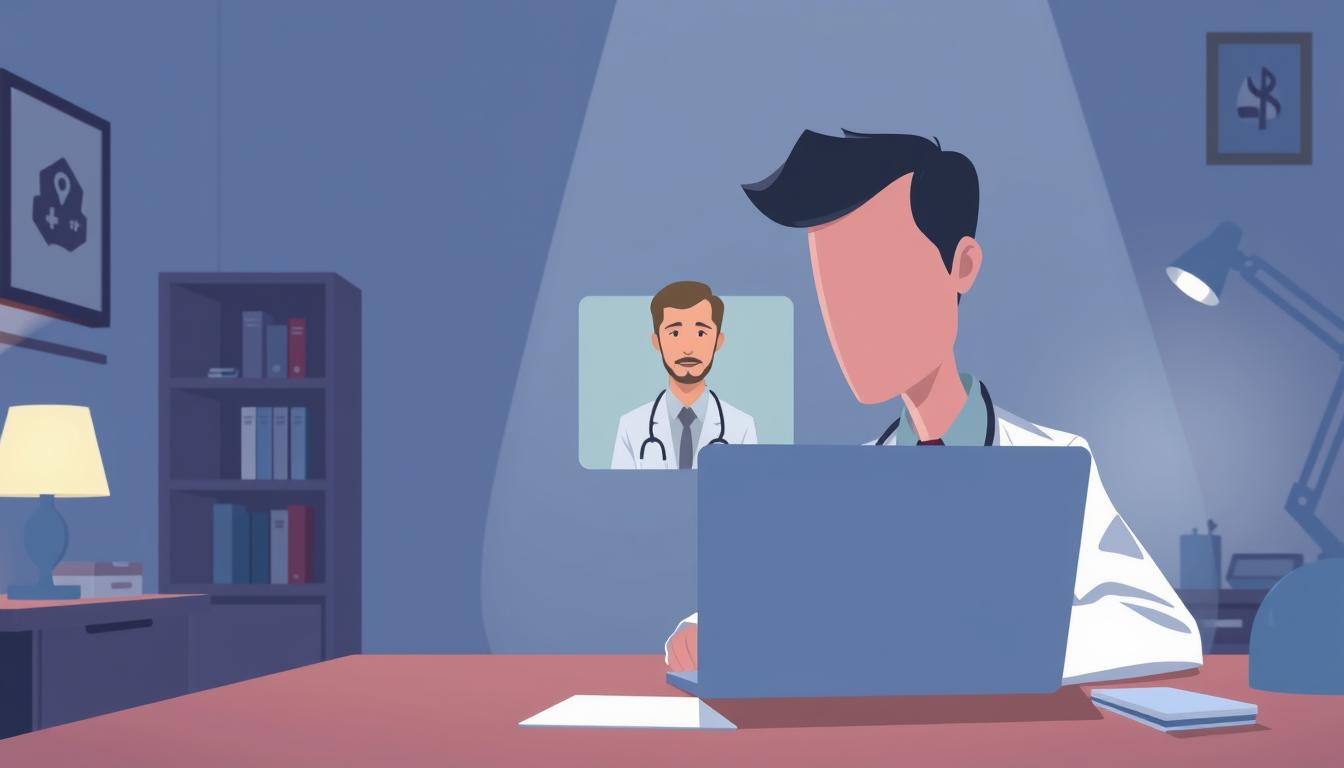
Patients sometimes share fears, family histories, or symptoms that feel too private. In clinics, trust is built through small actions. These include a closed door, a calm voice, and clear explanations.
As care moves online, these human expectations demand stronger safeguards. This is why patient privacy in telehealth is so important.
This article talks about why patient privacy in telehealth is not optional. Providers must mix clinical care with strong security. This includes encrypted channels, verified credentials, clear consent, and documented visits.
Nurses, clinicians, and administrators must see privacy as a safety protocol. It supports clinical outcomes and trust.
Readers will find steps to improve telehealth patient information security. There’s also a checklist of documentation practices and guidance on platform requirements. For more on telehealth technology, check out this resource: role of technology in telehealth.
Key Takeaways
- Patient privacy is key to safe, effective telehealth and trust.
- Telehealth needs encryption, access controls, and HIPAA-compliant agreements.
- Documenting telehealth sessions is vital.
- Staff training and clear patient communication reduce privacy risks.
- Seeing privacy as strategic protects patients and supports virtual care.
Understanding Telehealth and Its Growth in the U.S.
Telehealth grew fast in the U.S. after 2020. It went from a small part of care to a big one. People, doctors, and patients all moved quickly.
They trusted it more when they knew how it kept their info safe. When doctors explained how they kept data safe, more people wanted to use it.
Definition of Telehealth
Telehealth means many things. It includes video and phone calls, messaging, and tracking health. It’s for both medical care and teaching patients.
Doctors use it to help more people. They try to keep patient info safe while doing it.
Key Statistics on Telehealth Adoption
More people used it during COVID-19 and kept using it after. How much people used it changed based on how safe and easy it seemed. Nurses and doctors were mostly comfortable with it.
Places that were ready for it used it more. This readiness came from focusing on safety and privacy.
Benefits of Telehealth for Patients
Telehealth makes things easier for patients. It saves time and travel. It also helps keep care going smoothly.
Patients liked it a lot. They found it easy to use and helpful. But, if they didn’t trust it, they wouldn’t use it for long.
It could help more people if it was used in places that needed it most. This would happen if doctors followed rules for keeping info safe. They should teach patients how to use it safely too.
The Vital Role of Patient Privacy in Telehealth
Telehealth is growing fast. It brings new chances and big responsibilities. Keeping patient data safe is key. It’s about honesty, safety, and keeping virtual care strong.
Why Patient Privacy Matters
Patient info has personal details, health records, and more. It’s a big target for thieves. Keeping it safe stops identity theft and protects dignity.
Secure systems help patients share more. This leads to better care. Privacy is not just right; it’s essential for good health.
Trust and Confidentiality in Healthcare
Trust is the base of doctor-patient relationships. Talking about data and sharing privacy tips builds trust. Stories of safe visits help more people try it.
Nurses and staff are key. They explain how data is kept safe and get consent. This makes patients feel safe and respected.
Legal Implications of Privacy Breaches
Leaks can lead to big fines and lawsuits. Rules like HIPAA are strict. Breaches hurt reputation and money.
Using more tech and AI is a challenge. Talking about privacy and ethics helps plan better. See a study on medical AI ethics.
| Area | Risks | Practical Safeguards |
|---|---|---|
| Patient Data | Identity theft, exposure of sensitive conditions | Data minimization, anonymization, encryption in transit and at rest |
| Clinical Trust | Reduced disclosure, poorer care quality | Clear consent processes, staff education, transparent policies |
| Regulatory Compliance | Fines, litigation, corrective action plans | Regular audits, legal reviews, documented incident response |
| Technology | Vulnerable platforms, biased AI outputs | Secure vendors, bias testing, vendor contracts with privacy clauses |
Keeping patient info safe is a moral duty and a legal must. It keeps patients safe and helps businesses grow.
Key Regulations Governing Patient Privacy
Telehealth grew fast, needing clear rules. Courts, regulators, and groups set rules to protect patients and guide providers. Knowing the main laws and common challenges helps make safer services.
The Health Insurance Portability and Accountability Act (HIPAA)
HIPAA sets rules for handling health info. The Privacy Rule limits how and when info can be shared. The Security Rule requires strong safety measures.
Providers must use access controls, encryption, and strong audits. They also need to write down their policies.
They must tell patients and regulators quickly if there’s a breach. They also need to make sure vendors like Zoom follow the rules. Doing regular risk checks and fixing problems is key to following HIPAA.
Other Relevant Privacy Regulations
State laws add more protection. For example, California’s Consumer Privacy Act affects how data is handled. 42 CFR Part 2 has stricter rules for substance use disorder records.
The FDA gives guidance on software that’s a medical device. Frameworks like NIST Cybersecurity and HITRUST help follow privacy rules. Using these frameworks makes audits easier and shows you’re doing the right thing.
Compliance Challenges for Telehealth Providers
Providers face many challenges. Keeping systems reliable and secure is hard. Human mistakes, like sending the wrong message, are common.
Training staff and being ready as an organization helps. Clear consent and educating patients are important. Keeping privacy practices consistent across all services is also key.
Steps include making formal agreements with vendors and doing regular risk checks. Using encryption and keeping logs helps follow privacy rules. This ensures you meet all legal requirements for telehealth privacy.
| Regulation / Standard | Primary Focus | Key Provider Action |
|---|---|---|
| HIPAA (Privacy & Security Rules) | Protect PHI; require safeguards and breach notification | Implement administrative, physical, technical controls; BAAs; risk analysis |
| 42 CFR Part 2 | Extra protections for substance use disorder records | Obtain specific consent; restrict redisclosure; train staff |
| California Consumer Privacy Act | Consumer data rights for California residents | Data mapping; consumer request processes; update privacy notices |
| FDA Guidance | Regulatory expectations for certain digital health tools | Determine device status; follow premarket and postmarket guidance |
| NIST / HITRUST | Frameworks for cybersecurity and risk management | Adopt controls; run assessments; align with audits |
Common Threats to Patient Privacy in Telehealth
Telehealth makes healthcare easier and more convenient. But, it also brings new risks to patient privacy. It’s important for doctors and health groups to know about these risks to keep patient data safe.
Cybersecurity Risks
Bad guys want health info because it’s valuable. They use tricks like phishing and ransomware to get it. They also try to guess passwords or sneak in from inside.
Places like Mayo Clinic and Kaiser Permanente fight back. They use strong security and teach their staff to stay safe.
Data Interception During Calls
Video or audio calls without encryption can be caught by hackers. If a doctor uses the wrong app, patient info can leak. Teaching patients how to pick safe apps helps keep calls private.
Doctors should also follow best practices to avoid leaving calls open. This stops hackers from getting in.
Insecure Devices and Networks
Using personal phones or public Wi-Fi can be risky. Old software and apps are easy to hack. Nurses and doctors often face system problems that can mess up records.
Patients who don’t know much about tech need help. They need to know how to stay safe online.
These risks can lead to big problems like identity theft. They can also hurt trust in healthcare. To stay safe, use strong passwords, encrypt calls, and keep learning.
For more on the challenges of keeping patient info safe in telehealth, check out this article: privacy and security in telehealth.
Implementing Best Practices for Patient Privacy
The move to digital care needs clear steps to keep health info safe. Clinics should make policies to lower risks and teach staff. These steps help keep patient data safe and make sure privacy is kept in remote visits.
Ensuring Secure Communication Channels
Use end-to-end encryption for calls and pick trusted, HIPAA-compliant platforms like Doxy.me or Zoom for Healthcare. This keeps data safe while it’s moving and when it’s stored.
Make sure access is strict: use unique accounts, set roles, and have multi-factor authentication. Also, keep up with vendor agreements and check for risks often.
- Secure patient portals for sharing documents and messages
- Automatic session timeouts and audit logging
- Incident response plans with clear steps
Regular Privacy Training for Staff
Keep staff trained to lower mistakes and build a safe culture. Teach them about privacy rules, how to use systems safely, and what to do in emergencies.
Focus on doctors, nurses, and front-desk staff with real-life examples and clear goals. Use tools like Communication Openness and Leadership Support to see how they’re doing.
- Quarterly updates and training for new staff
- Phishing tests and safe document handling practice
- Clear rules for working from home and using public Wi-Fi
Importance of Informed Consent
Get clear consent before starting virtual visits. Consent forms should explain risks, benefits, and how data might be shared.
Explain privacy risks simply to patients and make sure they understand their choices. Offer guides and tips on how to keep data safe.
- Templates for data use and sharing
- Tutorials for patients on using portals and setting privacy
- Regular checks on privacy settings and patient feedback
Patient Rights and Their Protection
Patients have clear rights online. They can get their medical records, ask for corrections, and know who sees their data. This helps them keep their information safe online.

Understanding patient rights
Patients can get copies of their records and ask for fixes. Providers must explain how they use data and who sees it. This helps patients ask the right questions before a virtual visit.
Places like Kaiser Permanente and Cleveland Clinic give privacy notices. These notices explain how long data is kept, how it’s stored, and who to contact for privacy questions.
Reporting privacy violations
If privacy is broken, document it. Write down the date, time, who was there, and take screenshots if you can. This helps when you complain.
First, tell the telehealth provider or its privacy officer. If they don’t help, file a complaint with the U.S. Department of Health and Human Services Office for Civil Rights. State health departments might also take your complaint.
It’s important to act fast. For HIPAA issues, report them quickly. OCR has rules and tips for what to include in your complaint. Quick action helps keep everyone safe online.
How patients can protect their information
Choose a private room for talks and avoid public Wi-Fi. Use a strong password on your home network and a modern router from brands like ASUS or Netgear. This makes your connection safer.
Keep your operating system and telehealth apps up to date. Use multi-factor authentication on patient portals like MyChart or Epic’s portal. These steps help protect your information.
Read privacy notices carefully and ask about encryption and data handling. Share your comfort levels and set your preferences. You can mute cameras, skip unnecessary people, or ask for a phone call if you’re not comfortable with video.
| Action | Why it matters | Quick tip |
|---|---|---|
| Use private room | Reduces chance of eavesdropping | Close doors and inform household |
| Avoid public Wi‑Fi | Public networks are easier to intercept | Use mobile hotspot or VPN |
| Enable multi-factor authentication | Adds a layer beyond passwords | Use an authenticator app or SMS |
| Update OS and apps | Patches fix security vulnerabilities | Set automatic updates |
| Review privacy notices | Clarifies data sharing and retention | Ask the provider for plain-language explanations |
| Report suspected breaches | Starts investigations and possible fixes | Document dates, screenshots, and witness names |
Being active helps everyone. When patients ask about security, report problems, and follow advice, they improve online safety. Knowing how to report issues gives people power to make sure systems are safe.
Technology Solutions for Enhanced Privacy
Telehealth platforms focus on keeping patient info safe. They use special tools and clear rules. This helps providers find the right balance between safety and ease of use.
Encryption Technologies
Every web and API connection should use transport-layer security (TLS). TLS stops others from listening in when patients use the internet. Video and messages are encrypted end-to-end, so only the sender and receiver can see them.
Storing patient data safely is also key. Encryption keeps data safe on servers and backups. Using many encryption layers helps protect against data theft.
Big companies like Microsoft and Google Cloud offer secure encryption tools. They also help with following rules for keeping data safe. Regular checks make sure everything is up to date.
Use of Secure Patient Portals
Secure patient portals make it easy to manage messages, appointments, and more. They work well with electronic health records (EHRs) and keep track of who sees what. It’s important to have agreements with portal providers to keep patient data safe.
Portals make things easier for patients and help doctors keep track of who has seen what. When choosing a portal, look at how easy it is to use and how well it works with other systems. It’s also good to check how the provider handles data.
Two-Factor Authentication
Two-factor authentication adds an extra layer of security for doctors and patients. It can use SMS, apps, or hardware tokens. Each method has its own level of security, with hardware tokens being the strongest.
For extra security, ask for more than one factor when logging in from new devices or for important actions. Use tools to manage devices and sessions to prevent misuse. Regular checks and updates help keep everything secure.
| Solution | Primary Benefit | Common Trade-offs | Recommended Use |
|---|---|---|---|
| Transport-layer Security (TLS) | Protects data in transit | Requires certificate management | Every web and API connection |
| End-to-End Encryption | Ensures only endpoints read content | Complex key handling for backups | Video calls and secure messaging |
| Encryption at Rest | Guards stored PHI | Performance tuning and key rotation | Databases, file stores, backups |
| Secure Patient Portals | Centralized access and audit trails | Integration effort with EHRs | Patient communication and document exchange |
| Two-Factor Authentication | Reduces unauthorized access | Usability friction for users | Provider accounts and sensitive patient access |
| Mobile Device Management (MDM) | Controls device posture and policy | User acceptance and device diversity | Corporate and BYOD devices accessing PHI |
| Vendor Risk Assessment (TRAMM-style) | Identifies third-party exposures | Requires ongoing monitoring | Pre-contract procurement and periodic reviews |
| Readiness Assessments (DHARA-like) | Measures program maturity | Resource commitment for remediation | Pre-deployment and annual reviews |
Keeping technology up to date is key. This includes patching, managing devices, checking vendors, and doing security audits. Together, these steps help protect patient data and support healthcare.
The Role of Providers in Safeguarding Privacy
Providers build trust by taking action and having clear rules. They take steps to lower risks and show they care about privacy. This part talks about what they must do, changing their culture, and getting patients involved.
Responsibilities of Healthcare Providers
Doctors and health groups must use strong security like encryption. They need to check risks often and agree on privacy with vendors.
They should keep records of all actions, tell about any privacy issues fast, and have clear forms for consent. Training staff well helps avoid mistakes.
Building a Culture of Privacy Awareness
Leaders must show they care and talk openly about privacy. Use numbers to see if the culture is improving, like how well teams work together.
Hold regular meetings to talk about privacy and learn from mistakes. Teams from different areas work together to make things better.
Engaging Patients in Privacy Practices
First, ask patients if they’re okay with sharing their data. Explain privacy in simple words. Give them quick lessons on how to use telehealth safely.
Use stories from others to make patients feel more secure. Check in with them to see if they’re comfortable. It works best when both sides understand and follow the rules.
- Integrate privacy into workflows: map steps where data flows and add safeguards.
- Create clear consent processes: simple language, recorded preferences.
- Involve cross-functional teams: IT, clinical staff, and compliance plan together.
The Future of Patient Privacy in Telehealth
The future of telehealth is all about tech, rules, and ethics. Everyone needs to get ready for big changes. Keeping patient trust is key.
Emerging technologies will change how we keep data safe and follow rules.
Security will use many layers: strong encryption, blockchain, and better identity checks. These help patients control their data and make systems more reliable.
Predictions for regulatory changes show more rules from the government.
We’ll see new HIPAA rules for telehealth tools and clearer data sharing rules. State laws will also play a big role. Providers need to stay updated and change their policies quickly.
The role of artificial intelligence in telehealth privacy will be both good and tricky.
AI can help find threats and make data handling safer. But, we must teach AI to respect privacy and avoid bias.
It’s time for organizations to focus on privacy. Use tools like DHARA and DHIA to check risks and improve patient care. This way, they’ll be ready for new rules.
- Implement governance frameworks for AI models and vendor tools.
- Prioritize transparency: document data flows and consent choices.
- Test encryption, identity verification, and federated approaches regularly.
Using new tech and clear policies together keeps patients safe. This approach makes systems stronger, ready for rules, and keeps trust as telehealth grows.
Case Studies: Privacy Breaches in Telehealth
Looking at real cases shows us common problems. We can learn from these to protect better. This section gives us quick lessons and steps to take to keep patients safe.
Analysis of Notable Breaches
Cyberattacks on healthcare start with phishing or using remote tools. These attacks have exposed millions of patient records. They also led to big fines.
Video calls were not secure, leaking sessions and recordings. Cloud storage was not set up right, letting in unauthorized access. When staff had too much access, it caused more harm.
Lessons Learned from Privacy Violations
Many breaches were due to human mistakes and not enough training. Without strong security, like encryption, and clear agreements with vendors, things went wrong.
Using tools like TRAMM and DHARA helps find and fix risks. Simple steps like training staff and having clear plans for telehealth can help a lot.
Strategies to Prevent Future Incidents
First, do a full risk assessment and test your systems. Choose vendors wisely and make them agree to security standards.
Use encryption and multi-factor authentication. Keep training staff and have a good plan for when things go wrong.
Make resources for patients so they can use telehealth safely. Share what you learn and keep improving.
| Threat Type | Common Cause | Practical Defense |
|---|---|---|
| Large-scale cyberattacks | Phishing, unpatched systems | Patch management, MFA, threat detection |
| Video conferencing leaks | Default settings, weak access controls | Secure platform selection, meeting passwords, waiting rooms |
| Cloud misconfiguration | Improper access policies | Cloud audits, encryption, least-privilege roles |
| Insider exposure | Excessive permissions, lack of monitoring | Role-based access, user activity logs, training |
Conclusion: Upholding Patient Privacy in Telehealth
Keeping patient privacy safe is key in telehealth. It builds trust and follows the law. Steps like encryption and training are important.
These actions help keep patient data safe. They also help doctors and patients feel confident in online care.
Recap of the Importance of Privacy
Patients trust us when we protect their privacy. We use encryption and secure portals. This shows we care about their data.
Following HIPAA and state laws is also important. It shows we are serious about keeping patient information safe.
Call to Action for Stakeholders
Healthcare leaders should invest in safe platforms. They should also check for risks often. Vendors need to make privacy a part of their design.
Policymakers should update rules to keep up with threats. Doctors and nurses should talk about privacy with patients. This helps everyone feel safe.
Final Thoughts on Patient-Centric Approaches
Privacy should be about what patients want. We should teach them about safety. This makes telehealth safe and trustworthy.
By doing this, we help everyone. Doctors and patients can use telehealth without worry. It makes care better for all.
FAQ
What is telehealth and how does it differ from telemedicine?
Telehealth is a wide term for remote services. It includes video and phone visits, and more. Telemedicine is just for medical care over distance. Telehealth also covers other tasks that help care.
Why has telehealth adoption grown and what role does privacy play?
Telehealth grew a lot during COVID-19. It makes care easier and safer. Privacy is key to keep people using it. If privacy is not good, people might not use it.
What kinds of patient data are most at risk in telehealth?
Patient data like health history and personal info is at risk. This data is valuable to hackers. Weak security can let hackers get to it.
How does patient privacy relate to patient safety and clinical candor?
Privacy keeps health info safe. When people trust their info is safe, they share more. This helps doctors make better choices. But, if privacy is broken, people might not share as much.
What legal risks do providers face for telehealth privacy breaches?
Breaches can lead to big fines and lawsuits. They can also hurt a provider’s reputation. Keeping patient info safe is both a law and a safety issue.
What does HIPAA require for telehealth privacy and security?
HIPAA has rules for keeping patient info safe. It wants providers to check risks, use strong passwords, and keep records of who sees what. It also wants providers to tell patients if there’s a breach.
What other regulations or standards apply to telehealth privacy?
There are other laws and rules too. For example, some states have their own privacy laws. Providers must follow these to keep patient info safe.
What practical compliance challenges do telehealth providers face?
Providers face many challenges. Keeping devices and networks safe is one. They also need to train staff and manage vendors. Mistakes and technical issues are common problems.
What are the most common cybersecurity threats to telehealth?
Common threats include phishing and ransomware. Hackers also try to get into sessions and steal data. Keeping data safe is very important.
Can audio or video telehealth sessions be intercepted?
Yes, sessions can be intercepted if not secure. Using strong encryption helps keep sessions safe. This makes it harder for hackers to get in.
How do insecure devices and networks increase telehealth risk?
Using old devices or public Wi-Fi can be risky. Hackers can use these to get into sessions. Keeping devices and networks up to date helps avoid this.
Which communication channels are recommended for secure telehealth?
Use secure platforms with encryption. Also, use strong passwords and two-factor authentication. Make sure vendors handle patient info safely.
How often should staff receive privacy and security training?
Staff should get training often. It’s good to train them when they start and every year. They should also get training after any security issues.
What should be included in telehealth informed consent?
Informed consent should explain what will happen during the visit. It should also talk about who might see the info and how it’s stored. It’s important to get consent before starting care.
What rights do patients have over their telehealth data?
Patients have the right to see their data and ask for changes. They can also ask who has seen their info. Providers must respect these rights and explain any limits.
How should patients report suspected privacy violations?
Patients should tell their provider or the privacy officer first. If it’s not fixed, they can report it to the Department of Health and Human Services. They can also contact state authorities.
What practical steps can patients take to protect their telehealth information?
Patients can use private rooms and avoid public Wi-Fi. They should keep devices and apps updated. They should also use strong passwords and tell providers about their privacy concerns.
Which encryption technologies are important for telehealth?
Important technologies include encryption for data in transit and at rest. This keeps patient info safe from hackers. Strong encryption is key to protecting data.
Why use secure patient portals and how do they help?
Secure portals help with messaging and sharing info. They have audit trails and controlled access. This makes care more continuous and safer.
How effective is multi-factor authentication (MFA) for telehealth accounts?
MFA makes it harder for hackers to get in. It requires more than just a password. Providers should choose MFA methods that are easy for users but hard for hackers.
What operational practices strengthen telehealth privacy?
Strong practices include regular risk assessments and encryption. Providers should also train staff and have good vendor management. Keeping devices updated and having a plan for breaches are also important.
What are provider responsibilities for safeguarding telehealth privacy?
Providers must follow HIPAA and other laws. They should train staff, check risks, and keep records. They must also tell patients about privacy and handle breaches well.
How can health systems build a culture of privacy awareness?
Health systems should lead by example and communicate openly. They should have privacy training and measure how well they do. Working together and learning more helps keep privacy strong.
How can clinicians engage patients in privacy practices?
Clinicians should ask patients about their privacy needs. They should explain how they keep info safe and offer tips. Listening to patients and making them feel safe helps build trust.
What emerging technologies will affect telehealth privacy?
New technologies like AI and blockchain will change telehealth. They offer benefits but also raise privacy concerns. Providers must manage these risks carefully.
Are regulatory changes expected for telehealth privacy?
Yes, there will be more rules for telehealth. Providers should stay updated and follow new guidelines. This helps keep patient info safe.
How does AI create both risks and opportunities for privacy?
AI can help with security but also raises privacy issues. It needs careful handling to avoid problems. Strong rules and controls are needed.
What common scenarios lead to large telehealth breaches?
Big breaches often happen due to ransomware or weak security. Using old devices or public Wi-Fi can also be risky. Providers must stay vigilant.
What lessons do organizations learn after privacy violations?
Organizations learn to train staff better and check risks more often. They also learn to encrypt data and manage vendors well. Sharing lessons helps avoid the same mistakes.
What strategies prevent future telehealth incidents?
To avoid breaches, providers should test security, educate staff, and use strong passwords. They should also have a plan for when something goes wrong. Keeping patient info safe is key.
What are the essential takeaways about patient privacy in telehealth?
Keeping patient info safe is very important. It’s a duty, a safety measure, and a business need. Providers must use encryption, train staff, and follow rules to keep trust.
What should health leaders do now to prioritize telehealth privacy?
Leaders should invest in secure systems and train staff. They should also communicate with patients and make privacy a part of their plans. Nurses and doctors should lead by example.
How can patients be included in privacy planning?
Patients should be asked about their privacy needs. Providers should explain how they keep info safe and listen to feedback. This builds trust in virtual care.