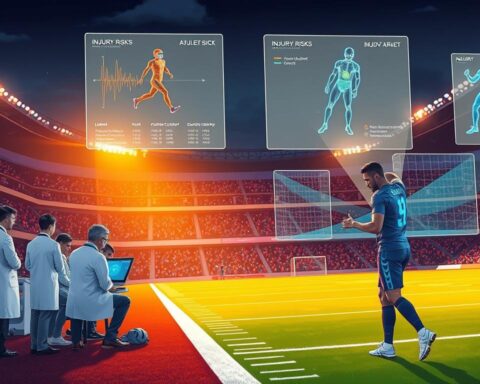
There are moments in games that change everything. A single read, sprint, or decision can make all the difference. These moments are why teams work so hard to improve.
They use sports data science to make better choices. This helps athletes reach their best.
Artificial intelligence in sports uses many tools. It includes wearables, video, and tracking. Companies like Catapult Sports and Hawk-Eye Innovations help a lot.
They give teams the tools to make smart decisions. This helps athletes stay healthy and perform better.
The market for AI in sports is growing fast. It’s expected to reach $19.2 billion by 2030. This article will guide you through it all.
It will show how AI helps teams succeed. You’ll learn about tools, examples, and strategies for all levels.
Key Takeaways
- AI in sports analytics uses sensors and video to translate data into coaching actions.
- Artificial intelligence in sports supports injury prediction, recovery plans, and tactical decisions.
- Sports analytics tools from Catapult, Hawk-Eye, and STATS Perform illustrate real-world impact.
- Sports data science is making analytics accessible to teams of all sizes, improving efficiency and outcomes.
- For an in-depth overview of AI applications across sports, see this analysis on AI in sports analytics.
Introduction to AI in Sports Analytics
AI is changing how teams make smart choices. It turns numbers into winning strategies. Sports analytics uses big data to help with training, recruiting, and game plans.
Dentsu and others say it’s about using data and machine learning. This helps find patterns and areas to get better in many areas.
Definition of Sports Analytics
Sports analytics uses tools to make sense of many inputs. This includes wearables, cameras, and scouting reports. It turns this data into useful information for making decisions.
It helps create things like heat maps and profiles of opponents. This makes scouting and improving players faster.
Importance of AI in Modern Sports
AI in sports analytics helps teams make quick decisions. It uses data from sensors and video to give feedback. This helps with recovery, technique, and game strategy.
It also makes tracking performance better and saves time on video review. The market is growing fast, with big plans for the future.
AI helps in many ways, like training and scouting. It’s a big help for small clubs too. But, it needs good data to work well.
Investing in AI can really help teams. It makes training better and finds new ways to improve. Good data is key for AI to work its best.
| Area | AI Contribution | Practical Outcome |
|---|---|---|
| Training | Automated video tagging and biomechanical models | Personalized drills and measurable improvement in technique |
| Scouting | Pattern recognition across seasons and leagues | Better talent identification and reduced recruitment risk |
| Match Strategy | Real-time analytics from cameras and wearables | In-game tactical shifts and optimized player rotations |
| Injury Prevention | Predictive models using workload and physiologic data | Fewer soft-tissue injuries and smarter rest schedules |
| Fan Engagement | Customized content and predictive highlights | Higher engagement and new revenue streams |
Historical Context of Sports Analytics
Historical sports analytics has changed a lot. It moved from making guesses to using data. Teams used box scores and film study early on. These steps helped start the use of data in sports.
Early Methods of Data Analysis
Coaches used stopwatches and hand-logged stats. Scouts kept detailed notes. These helped decide who played and who didn’t.
Manual tracking gave basic stats. These stats helped make decisions, even if they were simple.
The way teams worked changed over time. Spreadsheets turned into big databases. This made comparing players easier.
Evolution of Technology in Sports
Video review brought new insights. Teams could study plays closely. Wearables like GPS units gave more data.
Adidas and Wilson made special gear. This gear gave more data during games.
Computer vision and machine learning came next. They track body points and movements. The NFL, NBA, and MLB use AI for analysis.
Each new tech step gave teams more data. This data helped with training and game plans. It shows how sports tech and AI are next steps.
How AI is Transforming Performance Metrics
AI changes how teams check how athletes do. Sports groups use AI to turn raw data into clear insights. This makes evaluation based on facts, not just opinions.
Player Performance Evaluation
Teams like Manchester City and the New England Patriots use AI. They mix live video with data from wearables. This helps coaches see how players do in many ways.
AI looks at more than just numbers. It finds patterns in how players move and work. This helps predict when a player might not be at their best.
Injury Prediction and Prevention
Wearables and medical scans help AI spot injuries early. Teams like MLB and the NFL use AI to plan rest. This helps avoid too much training.
AI tools check images and how players move. This helps doctors and analysts work together better. It also makes sure predictions are accurate.
Here’s a quick look at AI metrics and how they help teams and doctors.
| Metric | Source | Primary Use | Benefit |
|---|---|---|---|
| Workload Index | Wearables (GPS, accelerometer) | Guides training load and rest | Reduces overuse injuries; improves recovery |
| Movement Quality Score | Video + biomechanical models | Detects technique flaws and asymmetry | Targets corrective training; limits injury risk |
| Fatigue Forecast | Physiological sensors + ML | Predictive scheduling of minutes and practices | Maintains performance peaks; extends careers |
| Early Tissue Stress Flag | Imaging analysis | Alerts clinicians to emerging pathology | Faster treatment; shorter rehab times |
AI Applications in Different Sports
AI tools change how teams look for talent, get ready, and make game-time choices. They use special models and sensors to answer questions specific to each sport. This leads to better insights, quicker decisions, and smarter team choices thanks to sports tech and data science.

Basketball and AI Insights
NBA teams use player-tracking feeds and computer vision to understand the court. Basketball analytics combines heat maps, shot charts, and models to improve lineups and defense. They use these tools for scouting and managing player load, mixing old-school scouting with AI for finding hidden gems.
Football Analytics Revolution
In American football and soccer, teams analyze formations, find opponent weaknesses, and decide when to substitute players. Football analytics tracks positions and events to suggest tactical changes in real time. Coaches get clear advice from analytics platforms, helping them make better decisions without feeling overwhelmed.
Baseball’s Sabermetrics and AI
Baseball combines its long sabermetrics history with modern AI. AI looks at pitch sequences, exit velocities, and spin rates to guess how well players will do and if they might get hurt. Baseball sabermetrics gets even better as teams use models to predict standout seasons and build better teams with big data comparisons.
| Sport | Primary Data Sources | Key AI Uses | Impact |
|---|---|---|---|
| Basketball | Optical tracking, wearables, shot logs | Rotation optimization, player-tracking models, scouting | Improved lineup efficiency and targeted recruitment |
| Football | GPS/positional tracking, event feeds, video | Formation analysis, substitution recommendations, opponent scouting | Sharper tactical decisions and dynamic game plans |
| Baseball | PITCHf/x, Statcast metrics, historical performance | Pitch prediction, player projection models, injury risk estimation | Smarter roster decisions and deeper player valuation |
Each sport needs its own sensors and models. Success comes from mixing deep knowledge of the sport with strong sports tech. Teams that blend coaching wisdom with AI find the best way to use data to win.
The Role of Machine Learning in Sports
Machine learning changes how sports teams get ready and make decisions. It uses data from wearables, cameras, and tracking systems. This data helps coaches and analysts make smart choices.
Algorithms and Predictive Analysis
Predictive analytics in sports uses algorithms to guess how players will do and who will win. Companies like Catapult Sports and Hawk-Eye use these models. They create heat maps and predict player performance.
It’s important to check if the models work well. This means using cross-validation and real-world tests. It also means making sure the predictions are fair for everyone.
Real-Time Data Processing
Fast data analysis helps teams make quick decisions during games. It also helps with VAR decisions. Computer vision models track body points from many cameras.
Success comes from working together. Data scientists, coaches, and engineers all play a part. Models need to be updated often to stay accurate. Keeping athlete data safe is also key.
Enhancing Fan Engagement with AI
Sports technology has changed. It now helps teams connect with fans better. Data used for coaching helps shape fan experiences too.
Clubs and venues use AI to build stronger bonds with fans. This boosts retention and creates new ways to make money.
Personalized Fan Experiences
Teams use data to create experiences just for fans. The Golden State Warriors make VR experiences based on fan likes. The Los Angeles Dodgers improve stadium navigation with AI.
AI tracks heart rates and other signs of excitement. This lets teams send special offers and videos when fans are most engaged. Fans feel more connected because content matches their interests.
AI-Driven Content Creation
AI helps make content like highlights and social media posts. Chatbots answer simple questions. Recommendation engines suggest tickets and merchandise based on what fans have bought before.
Teams use AI to make ads more personal. This makes ads more effective. But, it’s important to respect fans’ privacy and get their consent.
Using AI in sports needs teamwork. Marketing, operations, and IT must work together. When they do, AI becomes a key tool for connecting with fans.
The Future of AI in Sports Coaching
Coaches mix data with their gut to get better at planning and making game-time decisions. New tech in sports coaching and AI helps staff create plans that fit each player’s needs. They use sensors, past workloads, and video to make plans that reduce injuries and boost performance.
AI helps with daily training by using predictive models. These models make plans based on how players move, recover, and sprint. The plans focus on managing how much players do, conditioning, and when to eat to keep them healthy and ready.
AI-Assisted Training Programs
Begin with small tests: coaches and analytics experts working together get quick results. They focus on key areas like how much players do, sprint counts, and how they recover. They check if these plans work over a training period. Then, they grow these programs into full seasons that keep consistency in training.
VR and AR add to these programs by simulating games and pressure situations. Video models help players practice making decisions at game speed. This makes training more like real games.
Tactical Analysis and Strategy Development
Tactical analysis now combines automated video analysis with coach insights. It finds out what opponents do and suggests changes or when to make substitutions. Coaches get data-based suggestions but make the final call.
Tools from companies like Dentsu show how customized plans and insights on opponents’ tactics improve strategy. Coaches get clear, useful options instead of just data. This makes it easier for them to trust and use these tools.
Steps for teams: start with a small test where coaches work with an analyst, track a few key metrics, and then add tactical simulation tools. This way, they can see the benefits and keep the coach in charge.
Learn more about how AI is changing sports at how AI is revolutionizing professional sports. It shows how research meets real coaching challenges.
Ethical Considerations in Sports Analytics
Teams using artificial intelligence face big questions. They must think about athlete safety, fair play, and keeping fans’ trust. Having clear rules helps make these values real every day.
Data Privacy Concerns
Getting health data from athletes and fans is risky. It’s important to get clear consent. Using strong encryption and checking who can see data helps keep it safe.
Companies like Dentsu say keeping data safe is key. But, it’s all about the quality of the data. For more on AI in sports, check out this article: ethical use of AI in athletic.
Fair Play and Integrity Issues
AI can make unfair choices in sports. This hurts fair play and makes people doubt the fairness of tools like VAR. Being open about how AI works helps everyone understand.
Too much AI can ignore human insight. Trainers and coaches should use AI as a guide, not the only choice. Having experts from different fields helps make fair decisions.
Rules for handling sports data are needed. This includes how long to keep data and how to check AI for bias. Being open about data and AI helps keep sports fair and trustworthy.
| Risk | Control | Outcome |
|---|---|---|
| Unauthorized access to health data | Strong encryption, role-based access, audit logs | Reduced breaches and clearer accountability |
| Algorithmic bias in performance decisions | Bias testing, diverse training data, third-party audits | Fairer selections and reduced discrimination |
| Loss of human expertise from over-reliance | Decision protocols that require human sign-off | Preserved clinical judgment and safer care |
| Opaque officiating and integrity doubts | Transparent model reporting and appeals process | Greater fan confidence and upheld fair play |
| Poor governance across platforms | Sports data governance policies and oversight boards | Consistent practices and regulatory readiness |
Real steps can make a big difference. Using the right tech and being open about AI helps. It makes sports fair and safe for everyone.
Case Studies of Successful AI Implementation
Here are some examples of how sports teams used AI. They used tools to make video reviews faster, prevent injuries, and find better players. These stories show how AI helped teams save time, reduce injuries, and win more games.
NBA analytics show how teams make smart choices with data. They use tools from Catapult Sports, Hawk-Eye, and STATS Perform. This helps them scout, develop players, and make better game decisions.
One team cut their video review time by 40%. They also made their scouting more efficient. This was thanks to AI.
Teams also use AI to help players recover faster. They track player data and camera feeds. This helps doctors make better plans for players to get back on the field.
MLB innovations use new data to improve baseball. They track pitches and analyze how hard the ball goes. This helps them make better lineup choices and know when to make substitutions.
Brands like Adidas and Wilson use AI to make better sports gear. They test their products with AI and see how they perform. This helps players play better.
AI helps teams in different sports in similar ways. The NFL uses AI for video analysis and scouting. This saves time and makes them better at recognizing plays.
Teams also use AI to make fans happier. The Golden State Warriors and Los Angeles Dodgers tested virtual experiences. They tracked how long fans stayed and if they bought things.
Teams share how AI helped them with clear numbers. Dentsu’s platform helps with training, analyzing opponents, and finding players. This shows how AI can help teams get better.
There are many vendors and results to look at when studying AI in sports. The best programs have good tech partners and clear goals. This way, AI helps teams win more.
Partnerships and Collaborations in Sports Analytics
Clubs, leagues, and universities work together to use data better. They team up with vendors, consultancies, and research labs. This helps them move from small projects to big systems.
Tech Companies and Sports Organizations
Companies like Catapult and Hawk-Eye give teams tools for analysis. Dentsu helps leagues and clubs use these tools fast and well.
Debut Infotech helps link these tools to team workflows. This improves scouting and tactical decisions.
University Research and Development
Places like Stanford and MIT work on new ideas. They study how to predict injuries and improve performance.
Universities and teams work together. This creates new methods and finds talent for teams.
Agreements are key for success. They cover who owns what, how data is shared, and who makes decisions. This keeps athletes safe and helps teams grow.
| Partner Type | Typical Contribution | Primary Benefit | Example |
|---|---|---|---|
| Vendor | Wearables, tracking cameras, prediction engines | Real-time metrics and automated reports | Catapult, Hawk-Eye, STATS Perform |
| Consultancy / Integrator | Systems integration, workflow design, deployment | Smoother adoption and staff training | Debut Infotech-style implementers |
| League or Corporate Partner | Turnkey platforms, scaling frameworks | Standardization across teams and levels | Dentsu corporate solutions |
| University Lab | Research trials, model validation, talent | Evidence-based methods and innovation | Stanford, MIT, Loughborough collaborations |
| Equipment Manufacturer | Sensor design, smart apparel, ball tech | Improved data fidelity and user comfort | Adidas, Wilson product R&D |
Conclusion: The Next Frontier in Sports Analytics
The future of sports analytics is bright. We will have cleaner data, smarter models, and more access. Dentsu shows us how it works: when data is good, analytics can change the game.
Investments are growing fast. They predict the market will hit $19.2 billion by 2030. This means we’ll see new tech in equipment, officiating, content, and stadium operations.
Anticipated Trends and Shifts
We’ll see more VR/AR training and real-time tracking. Health monitoring will get better too. This means less time off for injuries and more fun for fans.
Teams will use AI more, but wisely. AI should help coaches, not replace them. This way, everyone wins.
Call to Action for Industry Adoption
Teams and tech folks should try AI projects. They should also focus on data and keep athletes’ info safe. It’s important to work together.
Combine coaches, data experts, and medical staff. This way, everyone can make better decisions. By using analytics right, teams can get ahead and lead in tech.
FAQ
What is sports analytics and how does AI enhance it?
Sports analytics uses big data to help teams train better and make smart game plans. AI makes this work faster by analyzing lots of data quickly. It helps teams make quick, smart choices during games.
Which core technologies power modern AI in sports analytics?
The main techs are machine learning, computer vision, and sensors. These help track player movements and health. Companies like Catapult Sports use these tools to help teams.
What measurable outcomes can teams expect from deploying AI-driven analytics?
Teams can see better game decisions and fewer injuries. They also save time and make smarter choices. This leads to better team performance.
How does AI help with injury prediction and prevention?
AI looks at player data to spot injury risks. It suggests rest or changes in training to avoid injuries. This needs good data and teamwork with medical staff.
Are these AI tools accessible to amateur and semi-pro teams?
Yes, they are. More teams can use AI thanks to affordable tools. Even small teams can get the help they need without spending a lot.
How do AI use cases differ across sports like basketball, football, and baseball?
Each sport uses AI in its own way. Basketball tracks player movements. Football looks at team strategies. Baseball uses AI to predict player performance.
What are the practical steps to start an AI pilot in a team or club?
Start with a clear goal and a small pilot. Work with coaches and analytics experts. Use a few sensors to begin. Check if it works and grow from there.
How should organizations manage data governance, privacy, and ethical risk?
Use clear rules and protect data. Make sure everyone knows how AI works. Regular checks and clear rules help avoid problems.
Can AI replace coaches or medical staff?
No, AI helps but can’t replace people. It speeds up finding insights but coaches and doctors make the final decisions. AI works best with a team.
Which vendors and partnerships are most relevant when building an analytics program?
Look for experts in wearables, tracking, and prediction. Also, consider tech partners and research groups. Good partnerships help make AI work well.
How important is data quality and sensor calibration?
Good data is key. Bad data leads to wrong AI results. Make sure sensors work right and data is consistent.
What are the market trends and where is sports AI headed by 2030?
Sports AI is growing fast and will be worth .2 billion by 2030. Expect more VR/AR, better injury models, and AI in officiating. Costs will drop, making AI more accessible.
How do teams validate and maintain predictive models?
Test models with new data and check if they work. Keep models updated and fair. This ensures AI helps teams make better choices.
What fan-facing applications of AI deliver tangible business value?
AI makes games more personal and fun for fans. It offers better content and experiences. This keeps fans engaged and loyal.
What common pitfalls should decision-makers avoid when adopting AI?
Don’t rely too much on AI and ignore data rules. Make sure everyone agrees on using AI. Start small and work together to avoid mistakes.
Which KPIs best demonstrate ROI from AI in sports?
Look at injury rates, game time, and fan sales. These show AI’s value. Early wins build trust in using AI.
How should organizations balance innovation with regulation and compliance?
Use AI in a way that follows rules. Work with lawyers and experts to stay safe. This lets you innovate while keeping things fair.
What role do universities and research institutions play in sports analytics?
Schools do important research in sports AI. They help teams use AI safely and effectively. This makes AI better for everyone.
How should a team prioritize which analytics projects to pursue first?
Focus on projects that help a lot and are easy to start. Start with tracking player health and game strategy. This shows AI’s value quickly.
What future technologies will most influence coaching and training?
Expect more VR/AR for training, better injury models, and faster data use. These changes will make coaching and training better for everyone.