There are moments in business when a single insight changes everything. Maybe it was the first time a store used product recommendations. Or when an automated forecast prevented a costly stockout. These small wins feel personal and remind entrepreneurs why they started.
This guide is for ambitious professionals and innovators. It shows how to use AI to boost sales and improve customer experience. Generative AI could add $240–$390 billion in annual value for retailers. Nearly 4 out of 5 companies already use AI in at least one business function.
Good news: no computer-science degree is required. Platforms like Shopify Magic make it easy to use AI. You can use AI for product copy, image creation, chat assistants, and more.
Our mission is simple: empower teams with clear strategies and low-cost pilot ideas. We want teams to adopt AI responsibly and see ROI quickly. Readers will get a practical roadmap and understand common challenges.
For an accessible primer on AI in retail, see this industry overview at BigCommerce. It shows how tools and tactics are becoming more attainable for everyday merchants.
Key Takeaways
- AI in e-commerce industry unlocks revenue and efficiency gains without heavy technical overhead.
- Artificial intelligence in online shopping drives measurable lifts in retention and conversion.
- AI-powered shopping experiences can be piloted with low-code tools and platform features.
- Successful adoption requires clear KPIs, data readiness, and attention to bias and compliance.
- The guide provides an implementation roadmap: assess readiness, choose tools, and measure ROI.
Understanding the Role of AI in E-Commerce
Retailers now see data as key to making decisions. Systems that learn and act on data help them make smarter choices. This changes how they work, from making content to fulfilling orders.
What is AI?
AI is software that thinks like humans. It uses data to make predictions and decisions. For e-commerce, this means automating tasks and improving customer service.
Shopify wants to make it easy for everyone to start selling. Alex Pilon says tools like Shopify Magic let non-techies edit content and improve stores. This makes it easier for more people to benefit.
Types of AI Technologies in E-Commerce
There are main types of AI for e-commerce. Generative AI writes content and chatbots answer questions. These tools help keep websites updated.
Computer vision lets shoppers find similar items by uploading photos. Tools like ViSenze make this easy for Shopify stores. It helps find the right products and reduces returns.
Machine learning helps predict demand and set prices. It uses data to make smart decisions. This leads to better inventory management and faster cash flow.
Deep learning powers advanced search and voice recognition. It makes recommendations more accurate. This helps suggest better products to customers.
AI has real benefits. During Black Friday 2024, AI chatbots boosted sales by 15%. Six out of ten buyers say AI improves forecasting. For more info, check out Sendbird’s overview of AI in commerce.
| AI Category | Primary Use | Representative Vendor or Example | Impact Metric |
|---|---|---|---|
| Generative AI / LLMs | Product descriptions, email creatives, chat responses | Shopify Magic | Faster content creation; higher listing conversion |
| Computer Vision | Visual search, image QC, return inspection | ViSenze, Snap Search | Improved discovery; fewer erroneous returns |
| Machine Learning | Demand forecasting, dynamic pricing | Retail forecasting pipelines | Optimized inventory; working capital freed |
| Deep Learning | Semantic recommendations, voice recognition | Custom recommendation engines | Higher recommendation accuracy; better AOV |
Affiliate programs do better with AI. AI helps match offers with what buyers want. For more on how AI helps affiliate programs, check out this guide.
Benefits of Integrating AI in E-Commerce
AI changes how stores talk to customers, manage stock, and run ads. It offers real benefits and results for brands that want to lead.
Enhanced Customer Experience
AI makes shopping personal. It shows you products you might like and bundles just for you. This makes more people buy more things.
Chatbots and virtual helpers give quick help. They tell you about delays and fix problems fast. This makes customers happy and helps agents work better.
Studies show AI works. Chronopost’s holiday sales went up a lot. Brands with virtual helpers sell more and make more money.
Improved Inventory Management
AI guesses how much to stock better. This means less waste and more money for growing. It helps keep the right amount of stock.
AI looks at social media and weather to guess what’s popular. A fashion store avoided losing money on unsold items. They also made more money by not running out of stock.
AI makes managing stock easier. It helps with keeping enough stock and sending items to stores. This makes stores run better and respond to changes quickly.
Personalized Marketing Strategies
AI helps make lots of content. It makes sure each customer gets messages they like. This makes more people open emails and click on ads.
AI helps find the best customers and keep them. It also helps make ads that work better. This means more money for the brand.
AI helps set prices and offers special deals. This makes more money for the store. It also makes sure ads are more effective.
AI-Powered Personalization Techniques
Personalization makes online shopping better. It makes people come back more. This part talks about how AI helps make shopping online better for everyone.
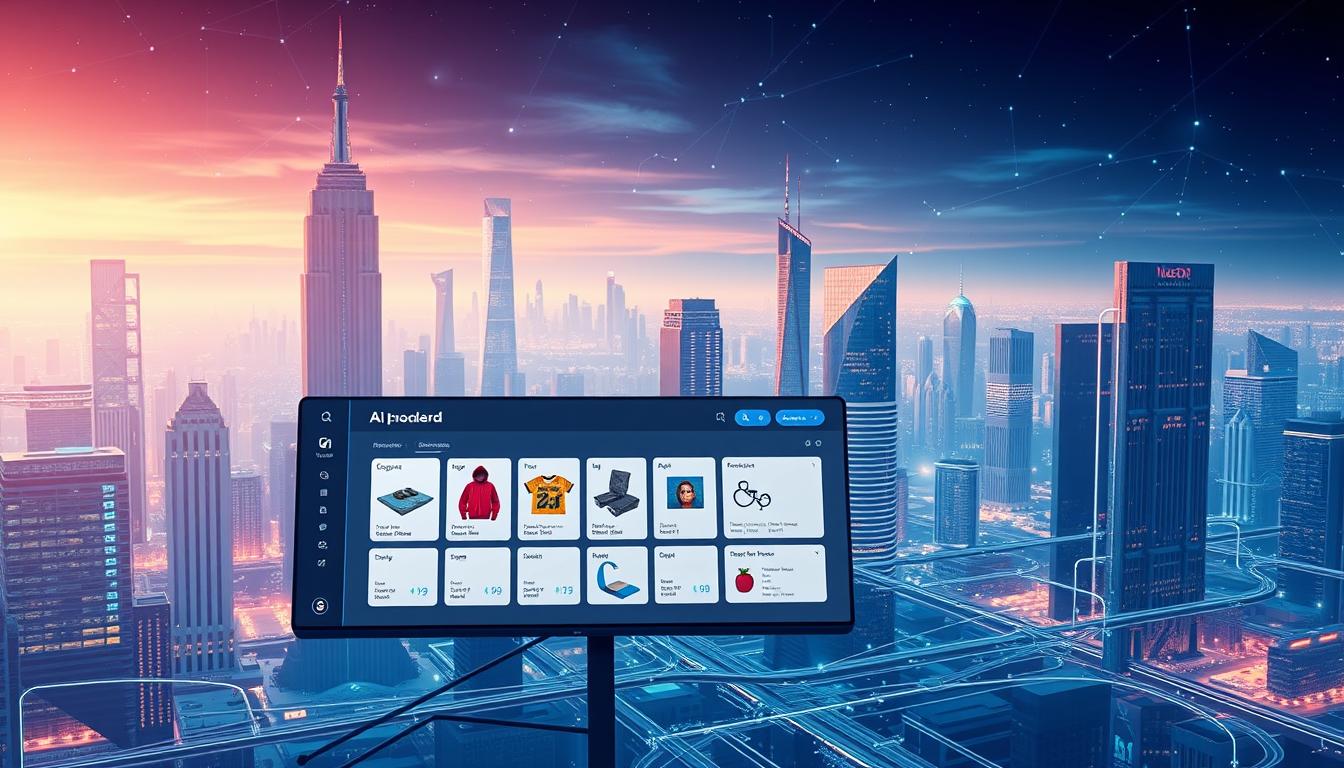
Recommendation systems are key for personalized shopping. They look at what you’ve bought before and what you like. This helps show you more things you might like.
There are two main ways these systems work. One looks at what others like to find similar items. The other looks at what you like to find more of what you like.
Many examples show how well this works. Gymshark uses a “People also bought” feature to make more sales. Personalized homepages and product pages help you find more things. Search and email follow-ups help you find what you need.
These efforts make shopping better. They help people find what they need faster. They also help keep prices right for everyone.
Teams can test these ideas to see how they work. They can see if it makes things better.
Recommendation Systems
It all starts with data. This data shows what you’ve done online. Then, special tools make sense of this data to suggest things you might like.
Rules help keep prices good. They make sure you see things you might want to buy. They also make sure prices are right for everyone.
Dynamic Pricing
Dynamic pricing changes prices based on what’s happening now. It looks at what others are charging and how busy it is. This helps keep prices fair for everyone.
It’s used in many ways. For example, it helps Amazon keep prices competitive. It also helps during busy times and when things aren’t selling well.
| Use Case | Inputs | Primary Benefit |
|---|---|---|
| Checkout cross-sell carousel | Cart items, purchase history, product attributes | Increases average order value and upsell rate |
| Homepage personalization | User segments, browsing sessions, campaign tags | Boosts engagement and reduces bounce |
| Buy Box competitive pricing | Competitor prices, inventory, fulfillment speed | Improves sell-through and market share |
| Surge pricing during demand spikes | Traffic spikes, conversion rates, available stock | Maximizes revenue per sale |
| Smart markdowns | Sell-through rate, seasonality, carrying cost | Clears inventory while protecting margins |
Using both recommendation engines and dynamic pricing makes things better. Start with something simple. See how it works, then add more. For more on how AI makes shopping better, read this AI personalization overview.
The Impact of AI on Customer Service
AI is changing how we help customers after they buy and before they buy. Brands using AI make shopping easier, faster, and more helpful. This section looks at how chatbots, virtual assistants, and automated support change the shopping journey.

Chatbots and Virtual Assistants
Chatbots can answer simple questions and help with orders. They can even understand voice commands. This makes shopping easier for people who like to use their voice.
Stores using chatbots solve problems faster and sell more. Shopify Inbox and other tools help chatbots talk better. They can even start refunds and fix issues on their own.
Businesses save money and are always ready to help. Quick and correct answers help keep customers from leaving.
Automated Customer Support Solutions
Automation helps sort out customer issues quickly. It keeps customers happy and informed. This way, fewer problems come up.
AI helps agents work faster and solve problems quicker. Quick fixes mean more sales. AI stops problems before they start.
Real examples show AI’s power. Wood Wood Toys saved sales with Shopify Inbox. SharkNinja found new sales with AI tools. These stories show how AI turns support into sales.
Using AI for Predictive Analytics
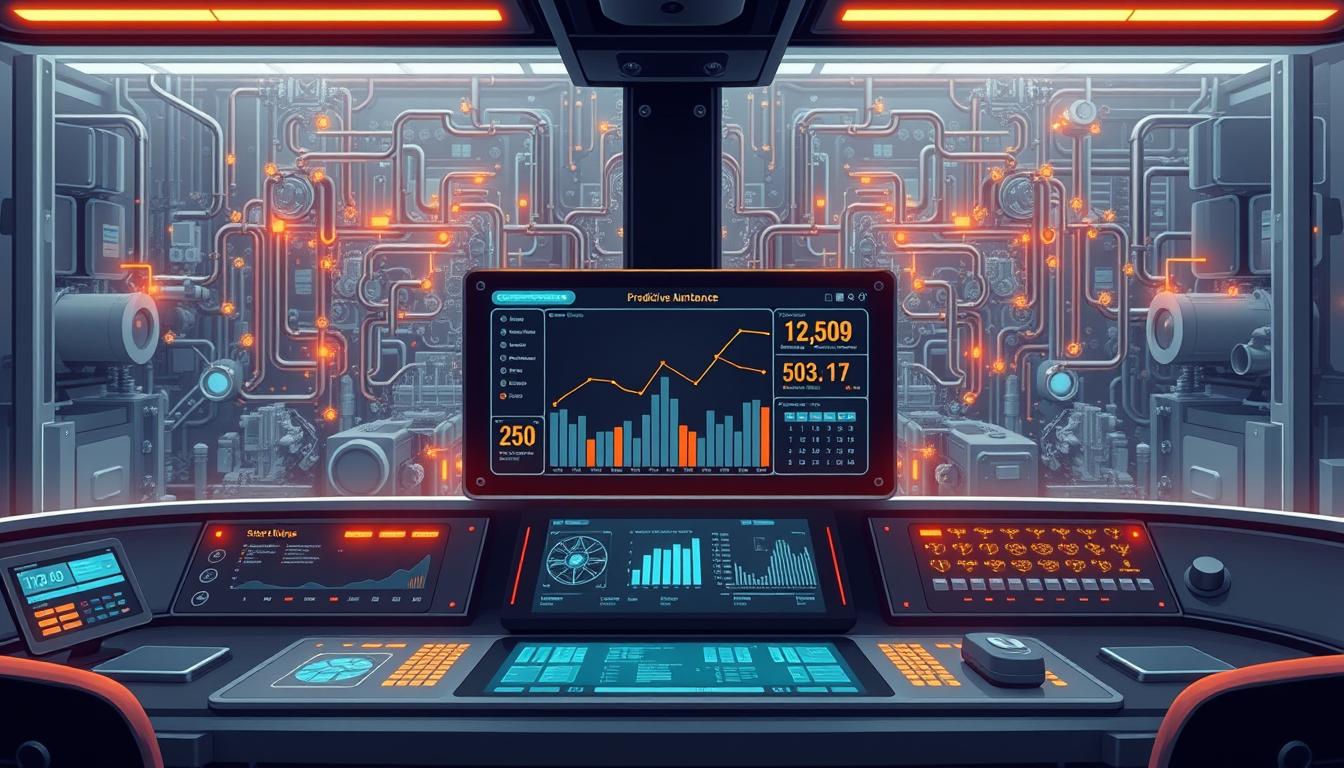
Predictive analytics helps retailers see what’s coming. It mixes machine learning with real business data. This way, past trends help guide future actions.
Teams in merchandising, marketing, and operations get a clear view. This helps them make quicker, smarter choices.
Demand Forecasting
Machine learning and predictive analytics look at past sales and trends. They also consider web traffic, weather, and social signals. This helps predict future demand.
Retailers use these tools to avoid running out of stock. They also reduce overstocking by ordering more accurately.
Studies show that advanced modeling improves forecast accuracy for many. For example, LegalOn used AI to predict a 47% increase in sales. This saved them about $2 million in lost sales.
Using AI can also save up to 30% of working capital. It helps by reducing excess inventory. AI can automatically order more when needed and track inventory in real-time.
Trend Analysis
AI looks at social and market signals to spot new trends early. It finds viral content, weather changes, and new search patterns. This helps teams adjust their inventory and marketing fast.
AI insights help tailor products and promotions to local tastes. Merchandisers use this info to plan campaigns and extend product lifecycles. They can also catch demand spikes with precision.
To keep forecasts accurate, teams must keep AI models updated. They need to watch for changes and refresh data. This ensures reliable predictions in the e-commerce world.
| Use Case | Data Sources | Primary Benefit | Typical Impact |
|---|---|---|---|
| Demand Forecasting | POS, CRM, promotions, weather, sensors | Reduce stockouts and overstocks | Up to 30% working capital freed; higher fill rates |
| Real-Time Reorder Automation | RFID, IoT sensors, inventory APIs | Faster replenishment with fewer manual steps | Lower lead times; fewer stock interruptions |
| Trend Detection | Social platforms, search queries, regional weather | Early identification of viral or seasonal demand | Improved assortment agility; higher campaign ROI |
| Assortment Optimization | Sales history, demographic data, trend signals | Localized product mixes and targeted promos | Better sell-through and extended product life |
| Model Maintenance | Ongoing labeled data, performance metrics | Reduce model drift and preserve accuracy | Consistent forecast reliability over time |
AI in Inventory and Supply Chain Management
AI changes how stores manage stock and move goods. It makes ordering and planning smarter. It helps cut costs and improve service.
Automation of Inventory Processes
Retailers use AI to adjust stock levels during sales. It also starts new orders when demand goes up. Systems help move items between stores and order from suppliers.
This makes tasks faster and less likely to have mistakes. Shopify Flow users saw big improvements. It helps guess how many returns will come back.
AI learns from past sales to make better guesses. This means fewer sales and better use of money.
Enhancing Supply Chain Efficiency
AI makes delivery routes better and finds problems early. It changes routes and finds cheaper ways to send goods. This makes deliveries faster and cheaper.
AI also spots problems like outages and fraud. It warns before big issues happen. This keeps the flow of goods smooth.
AI also helps the planet by making delivery routes better. It lowers emissions and waste. It helps companies meet goals for now and the future.
Strategies for Implementing AI in Your E-Commerce Business
Starting with clear goals is key. Leaders should aim to cut stockouts by 15%. They must check if data, people, processes, and tech are ready for AI.
Identifying the Right AI Tools
First, check if you have enough clean data. It should be 12–18 months old. Make sure you have a team ready to start.
Look for tools that work well with your commerce system. Shopify Magic and Inbox are good for chatbots. They help with copywriting and automation.
Try out tools with small pilots. This helps you learn fast. Use tools that meet your needs and follow important rules.
Staff Training and Adaptation
Give clear roles to your team. A product owner, data lead, and executive sponsor are needed. Work together in agile teams.
Teach your team to focus on strategy and customer engagement. Use tools that help them do their jobs better.
Set rules for using data and AI. Make sure your team knows how to use these tools. Use real data to train AI and keep it fair.
Learn more about AI in e-commerce at AI in e-commerce industry. It shows how AI can make your business better.
Case Studies of Successful AI Integration
Here are stories of teams using AI in e-commerce to solve real problems. They show how small steps led to big changes. These stories are about real results and how AI helped.
Success Stories from Leading Brands
Shopify merchants used Shopify Magic and Inbox to make copy faster and chat support better. Shops saw their catalogs launch quicker and sales go up after adding AI to product pages.
Chronopost used AI for targeted campaigns and saw big sales jumps during holidays. This shows how timely personalization boosts sales.
LegalOn used AI to predict a big increase in linen dress demand. They moved inventory to meet demand and saved about $2 million in stock that wouldn’t sell.
Gymshark used AI to suggest more items at checkout, like “People also bought.” This helped customers buy more and increased average order value.
SharkNinja used Commerce Cloud with AI to suggest more items during orders. This made customer interactions better and increased revenue per ticket.
Cozykids automated catalog workflows with Shopify Flow and Launchpad. This handled thousands of SKUs and reduced errors, letting staff focus on other tasks.
Lessons Learned from AI Implementation
Start with clear goals and metrics. Teams that test A/B first can show value quickly. Small wins help get more budget for bigger projects.
Good data is key. You need historical data and a plan to keep it clean. Bad data leads to weak models and poor personalization.
Choose tools that fit your tech stack. Avoiding costly changes is important.
Good governance and monitoring are essential. Keep models updated, check for bias, and follow laws like GDPR and CCPA. This protects customers and brands.
Start with small, cheap pilots. Try copy generation, chatbots, or Flow automations. These small tests can lead to big AI projects across different channels.
Remember to measure, improve, and document your journey. Teams that do this well move faster in e-commerce with AI and take less risk.
Future Trends in AI and E-Commerce
AI will keep changing how we shop online. New tools will make shopping feel like it’s made just for you. This means you’ll see things on websites that you really want to see.
Evolving Consumer Expectations
People want to shop easily, using their voices and looking at pictures. AI will help with this by making shopping fast and simple. It will also help find products you might like.
The Role of AI in Sustainability Practices
AI helps the planet by making shopping better. It cuts down on waste and saves money on shipping. It also helps with recycling by making it easier to return things.
To do well, companies need to use AI wisely. They must be open about how they use AI and make sure it’s fair. This way, they can keep customers happy and make more money.
FAQ
What is this guide about and who is it for?
This guide is for ambitious professionals, entrepreneurs, and innovators. It shows how to use artificial intelligence in online shopping. You’ll learn how to improve sales, efficiency, and customer experience.
It offers clear strategies and ways to measure success. You can start with low-cost ideas and see results quickly.
How big is the economic opportunity for AI in retail?
The chance for profit is huge. Generative AI could add 0–0 billion a year for retailers. Almost 4 out of 5 companies already use AI in some way.
Do merchants need technical expertise or a computer-science degree to start?
No, you don’t need to be a tech expert. AI is now easier to use. Tools like Shopify Magic and Shopify Inbox help with copy, chat, and more.
These tools work without needing deep technical skills.
What counts as AI for ecommerce in practical terms?
AI for ecommerce uses data like clicks and purchases. It helps make decisions in real time. This includes personalized recommendations and price changes.
Which core AI technologies should retailers consider?
Look at generative AI and large language models for copy and chat. Also, consider computer vision and visual search for discovery and quality control.
Machine learning and predictive analytics are good for forecasting and pricing. Deep learning is useful for advanced visual search and voice recognition.
What are the highest-impact ecommerce use cases?
Seven key use cases include product copy generation and creative scaling. Visual search and computer vision are also important.
Demand forecasting and inventory optimization, recommendation systems, and dynamic pricing are essential. Chatbots and virtual assistants, and automated customer support workflows are also vital.
How does AI improve customer experience and conversion?
AI makes shopping more personal. It creates tailored homepages and product recommendations. Chatbots offer 24/7 support and quick answers.
Studies show AI chatbots can increase sales by about 15% during big sales events. Most customers want more personalization.
What inventory benefits can retailers expect from AI?
AI helps plan inventory better, reducing stockouts and overstocks. It can cut inventory by 20–30% without lowering service levels.
AI can free up to ~30% of working capital in weeks. It also helps with automated reorder triggers and store-to-store transfers.
How can generative AI help marketing at scale?
Generative AI and LLMs can write SEO-friendly product descriptions and personalized emails. They help create social content quickly.
They enable fast A/B testing and segment-specific creatives. This improves open rates, CTR, and marketing ROI while cutting creative costs.
What types of recommendation systems exist and how do they help?
Recommendation systems use data to suggest products. They analyze browsing, carts, purchases, and product attributes.
They create personalized homepages and email recommendations. This raises cart size, reduces bounce rates, and increases search-to-cart conversion.
How does AI-driven dynamic pricing work?
AI algorithms update prices based on data like competitor prices and site traffic. They help with Buy Box optimization, surge pricing, and clearing slow stock.
It’s important to test these changes to see their impact and protect profit margins.
What capabilities do chatbots and virtual assistants add?
Chatbots answer FAQs, recommend products, and initiate orders. They track shipments too. They can understand visual and voice inputs.
They reduce contact center costs, offer 24/7 support, and capture customer data. They improve checkout conversion by answering questions before purchase.
How do automated customer support solutions reduce costs?
Automation adds features like intent detection and sentiment analysis. It smartly routes tickets and proactively contacts customers.
Generative AI assistants boost agent productivity and reduce handling time. They lower ticket volumes and prevent customer loss due to poor service.
What models and signals power demand forecasting?
Demand forecasting uses historical sales, promotions, and real-time data. Machine learning models keep improving with new data.
Studies show AI forecasting is more accurate. Six in ten retail buyers see better forecasts with AI.
How does trend analysis help assortment and marketing?
AI quickly spots viral trends, weather changes, and search pattern shifts. It guides localized assortments and targeted promotions.
This helps capture sales spikes and extend product life cycles before competitors react.
Which inventory processes are best suited for automation?
Automate safety stock adjustments, dynamic reorder triggers, and PO generation. AI also suggests store-to-store transfers and returns forecasting.
These processes reduce errors, markdowns, and waste. Retailers like Cozykids see big efficiency gains with automation.
How can AI improve supply chain resilience and sustainability?
AI optimizes routes, detects delays, and suggests alternative sources. It reduces emissions by smarter inventory placement.
It also detects anomalies and fraud. This improves delivery times, cuts costs, and supports sustainability goals by reducing waste.
How should a retailer choose the right AI tools?
Start with a clear problem and KPI. Assess data quality and identify owners. Make sure the tools fit your tech stack.
Begin with low-cost pilots like Shopify Magic or Flow. Then, choose larger vendors based on your needs.
What governance and compliance should retailers enforce?
Set up data governance and auditing. Ensure compliance with laws like PCI, CCPA, and GDPR. Monitor models for bias and drift.
Regularly audit for bias and have clear paths for escalating issues. This ensures fairness and privacy.
How should teams measure ROI and run pilots?
Pick one KPI and record a baseline for at least 4 weeks. Run A/B tests and track the net benefit against costs.
Target a payback of under 12 months. Start with small pilots like copy generation or chatbots to learn and build trust.
What organizational roles and training are required?
Appoint a product owner, data lead, and executive sponsor. Build agile teams for pilots. Train staff to move from repetitive tasks to strategy and creativity.
Use real data and scenarios to train chatbots and phase in tools with human oversight.
What common challenges do teams encounter when implementing AI?
Teams often face poor data quality, legacy system issues, bias, and compliance challenges. Integration and middleware can slow progress.
Continuous training and governance are key to maintaining value and trust.
Can you share examples of successful AI use in commerce?
Yes. Shopify Magic and Inbox automate copy and chat. Chronopost saw an 85% sales lift with AI campaigns.
LegalOn avoided M in dead stock with AI forecasting. Gymshark and SharkNinja use AI to boost sales and upsell during support.
What lessons do successful implementations have in common?
Successful projects start with clear goals and baseline measurements. They test changes and prioritize data quality.
They choose tools that fit their systems, start small, and focus on governance and monitoring. This ensures success and avoids issues.
How will consumer expectations evolve with broader AI adoption?
Consumers will expect more personalized experiences. They want different homepages, proactive offers, and quick resolutions.
As AI becomes common, shoppers will look for richer discovery and seamless support.
What role will AI play in sustainability and circular commerce?
AI will help reduce waste and overproduction. It optimizes inventory and supply chain operations.
It supports circular commerce by improving reverse logistics and minimizing landfill. AI must be used responsibly to ensure fairness and privacy.
What are practical, low-cost pilot ideas to start with?
Start with small pilots like using Shopify Magic for copy or a basic chatbot for FAQs. Automate repetitive tasks with Shopify Flow.
Test a demand-forecasting app for one product category. Each pilot should have a clear goal and quick payback.