Every founder remembers the first week after launch. The site feels empty, and the inbox is quiet. This is a common challenge in the United States.
But there’s a way to turn things around. Organic traffic generation can help. It brings visitors who are ready to engage.
By working on SEO, like content and keywords, sites can grow. This makes them more visible and ranked higher in search engines.
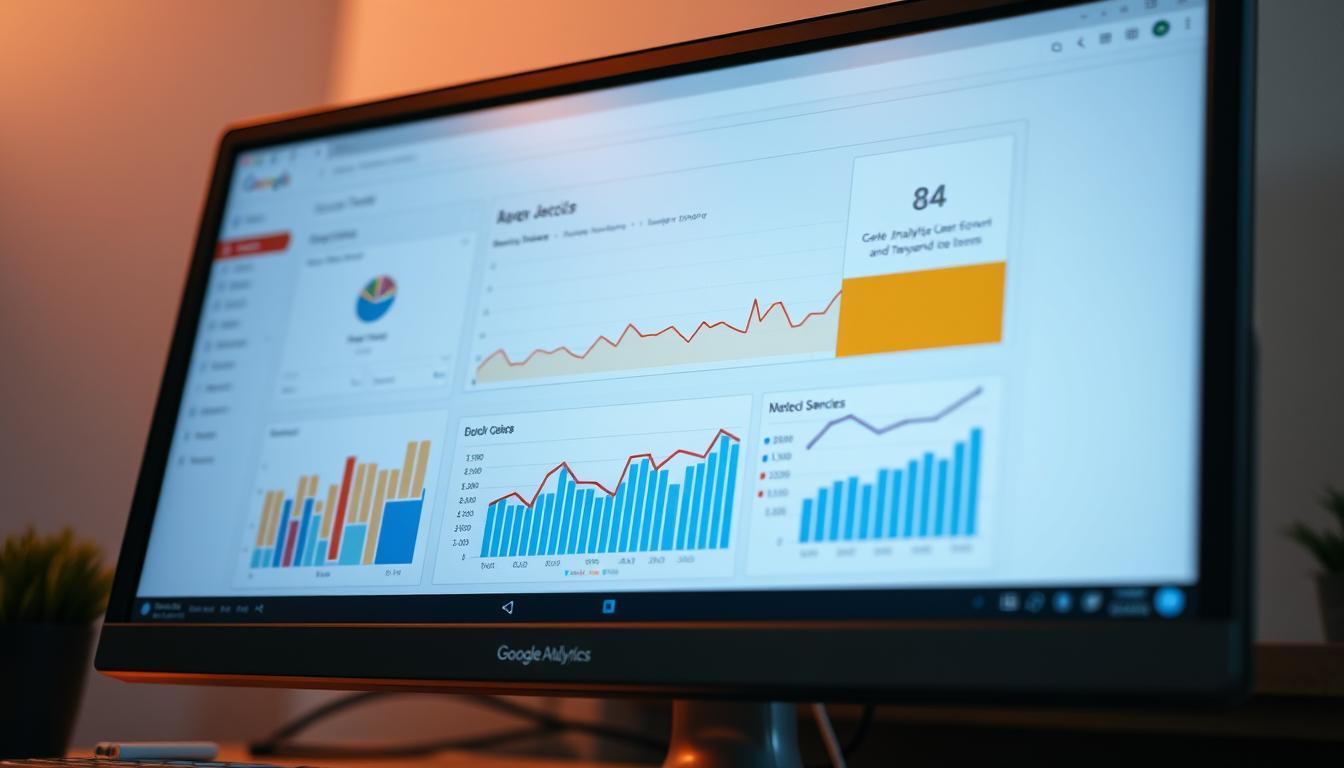
Measuring is key. Tools like Google Analytics show important data. Plugins like MonsterInsights make this data easy to see in WordPress. SEO tools like Ahrefs and SEMrush help plan better.
Results take time, but they come. You’ll see changes in three to six months. This depends on your niche and how often you update your site.
Key Takeaways
- Organic traffic generation builds sustainable, intent-driven visitors.
- Boost organic traffic through steady content and technical SEO work.
- Increase website visibility by tracking performance in Google Analytics and Search Console.
- Improve search engine rankings with data from tools like Ahrefs and SEMrush.
- Allow three to six months for measurable progress; consistency matters most.
What is Organic Traffic?
Organic traffic means people visiting a website without ads. It’s about matching search queries to the right pages. This growth comes from good content and SEO, not ads.
Definition of Organic Traffic
Organic traffic is about where visitors come from. They find pages through search. Tools like Google Analytics help track these visits.
Teams create content that matches search intent. This brings in visitors without ad costs.
Importance of Organic Traffic for Businesses
Business leaders like organic traffic because it’s cost-effective. It brings focused visitors, which can lead to more sales. This is why it’s key for building trust and growing.
SEO makes websites easier to find. It’s vital for e-commerce and service sites. Organic search brings a third of visits in many industries.
For tips and data on organic traffic, check out this Semrush guide: organic traffic insights.
How Organic Traffic Differs from Other Types
Organic and paid channels are different in marketing. Organic results come from being relevant and quality. Paid ads buy clicks right away.
Teams see value in both. Paid ads get you seen fast. Organic builds a strong presence over time.
Paid vs. Organic Traffic
Paid ads get you visits quickly and target your audience well. They’re great for promotions and urgent launches. Organic traffic needs work on content, site health, and matching user intent.
It takes time but often gives better returns and conversion rates. Marketers use tools like Ahrefs and SEMrush to match content with queries. A paid search gets you top spot, but SEO earns it through relevance and authority.
Industry teams found that direct and organic traffic can overlap. This makes simple attribution models hard. For more on this, read this analysis on traffic sources.
Impact on SEO Strategies
SEO strategies focus on user intent, long-tail phrases, and content depth. They use on-page signals, structured data, and backlink building. Good site architecture and content relevance are key.
AI and predictive analytics help understand patterns and personalize experiences. Companies using machine learning in marketing see better returns and organic traffic growth. Learn more about predictive analytics and ROI here.
| Dimension | Paid Traffic | Organic Traffic |
|---|---|---|
| Time to Impact | Immediate | Weeks to months |
| Cost Model | Pay-per-click or impression | Investment in content and SEO techniques |
| Longevity | Ends when budget stops | Compounds over time with evergreen content |
| Conversion Tendency | Good for targeted offers | Better for intent-based conversions |
| Role in Strategy | Immediate visibility and testing | Brand authority and sustainable growth to drive organic traffic |
Benefits of Organic Traffic Generation
Organic traffic is very valuable and grows over time. It helps you not rely too much on paid ads. It brings visitors who really want to see what you offer.
Companies that make smart content and work on SEO get big rewards. These rewards are more than the cost of starting.
Cost-Effectiveness
Organic traffic doesn’t cost money per click. You only spend on good content and tools like MonsterInsights or AIOSEO. Over time, the cost of getting visitors goes down.
Teams that make long guides and target landing pages get more value. Updating old posts can also bring in more money with little effort.
Enhanced Credibility and Trust
Being seen in search results makes you look more trustworthy. High rankings and featured snippets show you’re relevant. Backlinks from good sites prove your trustworthiness.
Organic visitors are more likely to buy from you. Using structured data and updating content helps you rank better. This makes your site more credible.
Key Strategies for Generating Organic Traffic

A good plan makes your hard work pay off. For teams aiming high, mixing smart content with technical skills is key. This combo leads to steady growth in organic traffic.
High-Quality Content Creation
Make content that really helps people. Use Google’s E-E-A-T tips to make it trustworthy. This means using real sources, showing you know your stuff, and keeping it up to date.
Offer different types of content like guides, how-to’s, infographics, and short videos. This attracts links and keeps people interested. Use clear headings and structured answers to get featured in search results.
Keyword Research and Optimization
Keyword research is the base of finding what people want. Use tools like Semrush, Ahrefs, and free generators to find the right phrases. Look for long-tail keywords that match what people are searching for.
Make each page focus on one main keyword and some related ones. Keep an eye on keyword trends and adjust your content as needed.
On-Page SEO Techniques
On-page SEO makes your content easy to find and click on. Put the main term in the URL, title tag, meta description, headings, and first paragraph.
Make your meta descriptions and title tags match what people are searching for. This boosts your click-through rates. Use schema for articles and FAQs to make your pages stand out in search results.
- Make pages easy to scan with clear H2/H3s, bullet lists, and short lead paragraphs.
- Link to other pages on your site to spread authority.
- Make sure your pages load fast and work well on mobiles to help your rankings and keep people engaged.
When you use content marketing, keyword research, and on-page SEO together, you can predict your organic traffic. Teams that keep testing, measuring, and improving will see their visibility and conversions grow steadily.
The Role of SEO in Organic Traffic
SEO helps sites get more visits from people searching online. It makes sure content, site structure, and technical stuff match what search engines look for. Tools like Google Search Console and plugins like AIOSEO help find and fix problems.
Understanding Search Engine Algorithms
Search engines check if a page is relevant, important, and easy to use. They like pages that load fast, work well on phones, and answer what people are searching for. Adding special data can make pages stand out more.
Tools like Ahrefs or SEMrush find problems and show what others are doing better. This helps make changes to improve rankings. Keeping an eye on Google Search Console helps stay on top of important updates.
Importance of Backlinking
Backlinks are very important for ranking. Links from trusted sites tell search engines a page is trustworthy. Ways to get good links include writing for other sites, doing expert interviews, and honest reviews.
Linking to other pages on your site helps spread importance around. Reaching out to get links and using tools to find link chances is key. Focusing on both on-site SEO and backlinks helps a site get more seen online.
Leveraging Social Media for Organic Traffic
Social networks help spread your message far and wide. They can make people talk about your brand and visit your site. A good plan makes your site more visible and keeps your message true to your audience.
First, know who you’re talking to. For business-to-business (B2B) folks, LinkedIn and Facebook are great. They offer a professional space for groups and discussions. For consumer brands, Instagram, Facebook, and YouTube are perfect. They’re all about visuals and videos that grab attention.
It’s important to match your content with the right platform. This way, you reach people who are most likely to be interested. It helps bring more visitors to your site.
Choosing the Right Platforms
Think about who you’re talking to and what you want to say. LinkedIn is great for sharing detailed ideas and reports. Instagram is perfect for showing off products with images and short videos. YouTube is where you can share videos that people search for and enjoy watching.
Try different ways of posting and see what works best. Find out which platforms bring in the most visitors and get the most engagement. Then, focus on what’s working and do more of it.
Content Sharing Strategies
Make your posts clear and direct. Start with a strong first line and end with a call to action. Add buttons to share your content easily. When your audience shares your posts, it helps more people find your site.
Start conversations by answering comments and tagging people. This builds trust and encourages more sharing. More shares mean more people see your site, which helps your site rank better.
| Platform | Best Content Types | Primary Benefit | Action Tip |
|---|---|---|---|
| Long-form posts, articles, case studies | Professional credibility and referral traffic | Post thought leadership on weekdays; repurpose blog excerpts | |
| Images, Reels, short videos | Brand discovery and visual storytelling | Use reels for reach; include concise captions and link in bio | |
| Mixed media, community posts, events | Community building and varied referral sources | Create groups and share teasers that link back to the site | |
| YouTube | Long-form video, tutorials, webinars | Searchable video content that drives long-term clicks | Optimize titles and descriptions; add website CTAs in videos |
Utilizing Blogging for Organic Traffic
Blogging is a top way to get more people to visit your website. It lets you answer questions, link to other pages, and get links from big sites. This makes your site more trusted and ranked higher over time.
Finding Your Niche
To find your niche, start with who you want to reach and what they need. Use tools like Ahrefs or Google’s Keyword Planner to find topics that people search for. Pick topics you know a lot about to be seen as a trusted source.
Choose topics that solve problems and match what people are looking for. For podcasters, sharing transcripts can help more people find your content. Picking a good niche helps you focus on posts that will get more visitors.
Consistency in Posting and Engagement
Posting regularly keeps your site active. Plan out your posts and stick to it. Update old posts to keep them fresh and to use your site’s authority.
Interact with your readers by answering comments and sharing posts. Use tools like Google Analytics to see what works. Small actions can help a lot over time.
For a guide on growing a blog, check out this how to grow a blog from scratch.
The Impact of User Experience (UX)
Good user experience UX helps visitors move smoothly through a site. It makes them more likely to take action. Designers at Google and Nielsen say simple navigation and clear calls to action are key.
They also talk about readable layouts. These things help lower bounce rates and boost engagement. Strong UX connects site architecture to business success.
Website Design Considerations
Make your site’s layout clean and easy to follow. Use the same font and clear navigation. Breadcrumb trails help users and search engines find what they need.
Studies by Nielsen Norman Group show that easy menus and patterns help. They make users stay longer and feel less frustrated.
Design your content in a clear order. Use headings, short paragraphs, and links that make sense. This helps users find what they need and search engines index your site better.
Page Load Speed and Mobile Optimization
Page load speed is important for Core Web Vitals. Slow sites, big images, and scripts that block the page can slow things down. Use Google Search Console and tools like MonsterInsights to find out why.
Mobile optimization is also key because Google looks at mobile sites first. Make sure your site works well on phones and tablets. Use compressed images and fast loading times for a better mobile experience.
Working on page load speed and mobile optimization can help your site rank better. It also makes users happier. Use image compression, caching, and a CDN to make your site faster and more user-friendly.
Analyzing Organic Traffic Performance
Teams start by measuring website traffic growth. This guide shows how to analyze organic traffic and act on it.
First, use Google Analytics 4 and Google Search Console together. GA4 shows how people interact with your site. Search Console gives insights into search performance.
Then, use tools like Ahrefs, SEMrush, and Moz. They help track organic traffic and find keywords. This lets teams focus on improving certain pages.
Choose a few important SEO metrics to track. Look at sessions, clicks, and how well pages rank. Also, watch backlinks to see if your site’s authority is growing.
Make dashboards that show how your site is doing. A good dashboard shows trends and highlights areas for improvement. Use reports to guide updates and fixes.
For WordPress users, plugins like MonsterInsights help. They bring GA4 and Search Console data into your CMS. They also track important events like sales and form submissions.
Lastly, have regular meetings to check on your site’s performance. Meet weekly for updates, monthly for rankings, and quarterly for big changes. This helps teams react fast and grow your site’s traffic.
Common Mistakes to Avoid
Getting better search visibility takes steady choices and careful steps. Many teams lose their way because of mistakes that hurt rankings and user experience. This guide will show you common errors and how to fix them. It helps teams get more organic traffic while keeping content useful and easy to find.
Keyword overload makes content hard to read and less believable. Editors should pick one main keyword for each page. Then, use related terms to support it. Don’t make titles and meta descriptions too full of keywords. Write naturally and use synonyms to avoid keyword stuffing.
Thin pages and old content can upset both visitors and search engines. Create detailed, user-focused content that answers questions. Update old posts, fix broken links, and keep your sitemap accurate to avoid indexing problems.
Ignoring mobile users can hurt your reach and sales. Google looks at mobile versions first. So, make sure your site works well on mobile. Use responsive designs, fast load times, and content that fits small screens.
Technical issues like missing links, weak backlinks, and crawl errors are common. Use audits to find and fix these problems. Create useful internal links and work on getting good backlinks. This helps your site get more organic traffic over time.
Future Trends in Organic Traffic Generation
Search behavior is changing. The future of organic traffic will go to sites that adjust. Featured snippets and AI Overviews now lead what users see first.
So, clear headings, direct answers, and schema markup are key. This fits with new SEO strategies that like structured content and quick answers.
Voice search is getting more popular. Smart speakers and assistants are everywhere. Content that sounds natural and answers questions well does well.
Make your content easy to talk about. Create FAQ sections for quick answers. This helps with voice searches.
Video content is also on the rise. YouTube is the second-biggest search engine. Videos that teach, tell stories, or show how to do things are great.
Transcribe videos and write short summaries. This helps both video and web search users. Learn more about these changes in search trends organic search predictions.
To grow, mix rich media with structured data and easy-to-talk-about content. This is like new Generative Engine Optimization (GEO). Use webinars and immersive formats with AI for better reach.
Learn how to make AI webinars work for marketing AI webinars and engagement. These strategies make a strong plan for organic traffic.
FAQ
What does “Boost Your Site with Organic Traffic Generation” mean?
It means making your website more visible through search engines. You do this by creating good content and making your site easy to find. This includes using SEO, fixing technical issues, and getting links from other sites.
What is organic traffic?
Organic traffic is when people find your site by searching for things online. They find it because it matches what they’re looking for. You can track this with tools like Google Analytics.
Why is organic traffic important for businesses?
It helps people find your site when they need something. This can lead to more sales and customers. It also makes your brand more trusted over time.
How does organic traffic differ from paid traffic?
Paid traffic comes from ads that cost money. Organic traffic is free and comes from being relevant and useful. It’s better because it keeps coming without extra cost.
How does organic traffic affect overall SEO strategy?
Organic traffic is the main goal of SEO. You work on making your site better for search engines. This means creating good content and making your site easy to use.
Is organic traffic cost-effective?
Yes, it’s very cost-effective. It takes time and effort at first, but it keeps bringing in visitors. This is better than spending money on ads.
How does organic traffic enhance credibility and trust?
When your site ranks high in search results, people trust it more. Good content and links from other sites help build trust. This makes your brand more believable.
What role does high-quality content play in generating organic traffic?
Good content is key. It attracts links and answers people’s questions. Make sure each page has a clear focus and answers a specific question.
How should businesses approach keyword research and optimization?
Use tools to find the right keywords. Match your content to what people are searching for. Use keywords in your page titles and headings, but don’t overdo it.
What are essential on-page SEO techniques?
Make your titles and descriptions clear. Use headings and links to help people find what they need. Add schema for extra information. Make sure your URLs and images are descriptive.
How do search engine algorithms influence organic traffic?
Algorithms check if your site is good and useful. They look at your content, links, and how easy it is to use. Keep improving your site to rank better.
Why are backlinks important for organic traffic?
Backlinks are like recommendations from other sites. They help your site rank higher. Get links by creating great content and reaching out to other sites.
Can social media help drive organic traffic?
Yes, social media can help. It can get more people to visit your site and help with links. Share your content on platforms where your audience is.
How do you choose the right social platforms for organic traffic?
Pick platforms where your audience is. LinkedIn is good for B2B, Instagram for B2C. Use platforms that fit your content and audience.
How does blogging support organic traffic growth?
Blogging helps you become an expert in your field. It attracts links and answers people’s questions. Share your blog on different platforms to reach more people.
How often should businesses publish and update blog content?
Be consistent, but don’t rush. Posting regularly helps. Also, update old posts to keep them relevant and improve rankings.
What website design considerations affect organic traffic?
A good design makes it easy for people to find what they need. It also helps search engines. Make sure your site is easy to navigate and works well on mobile.
How critical are page load speed and mobile optimization?
Very critical. Slow sites or bad mobile versions can hurt your rankings. Make sure your site loads fast and works well on mobile.
What tools are best for tracking organic traffic?
Use Google Analytics and Google Search Console. They help you see how many people visit and what they do. Tools like Ahrefs and SEMrush are also helpful.
Which metrics should teams monitor to evaluate organic traffic?
Watch your site’s traffic, clicks, and rankings. Use dashboards to see trends and make improvements. This helps you know if your efforts are working.
What common mistakes hurt organic traffic efforts?
Avoid keyword stuffing and thin content. Don’t ignore technical SEO and mobile usability. Focus on creating useful content for your audience.
Why should businesses avoid keyword stuffing?
It makes your content hard to read and can hurt your rankings. Use keywords naturally and focus on providing value to your readers.
What happens if mobile users are ignored?
Ignoring mobile users can hurt your rankings and traffic. Make sure your site works well on mobile devices to keep visitors.
How will voice search and GEO (Generative Engine Optimization) shape the future of organic traffic?
Voice search and AI will favor natural language and concise answers. Create content that answers questions and is easy to understand. GEO will focus on local content and answers.
What role will video content play in future organic traffic?
Video will become more important for search. Educational videos can attract visitors and drive traffic. Transcribe and republish video content to reach more people.
How long does it typically take to see results from organic traffic efforts?
You’ll see improvements in 3–6 months. This depends on your site’s quality, the competition, and how often you update. Keep working on your site to see better results.